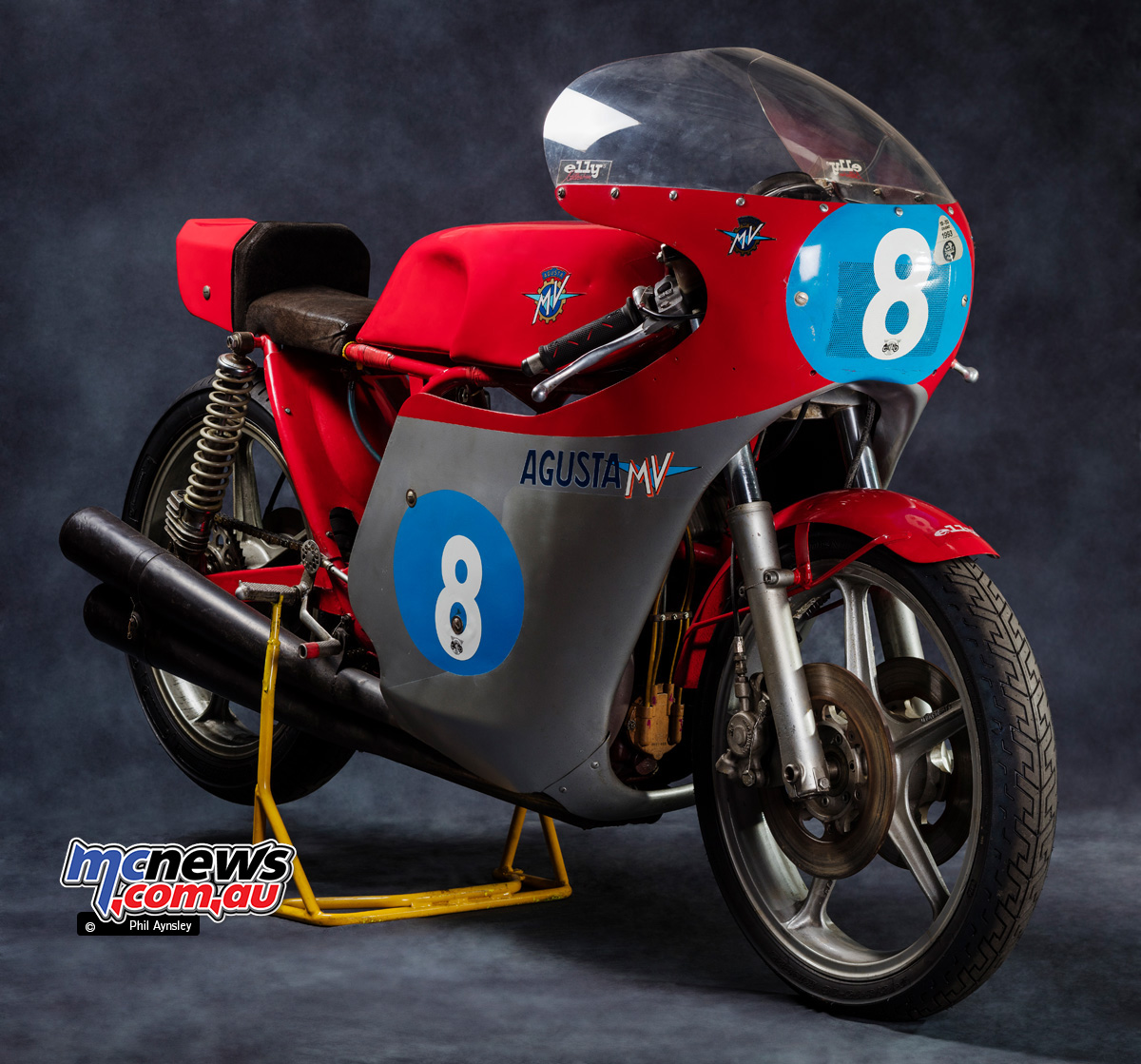
MV Agusta’s 1974 350/4
The MV Agusta 350/4 occupies a novel and traditionally vital place in Grand Prix racing, because it was the machine that successfully marked MV Agusta’s withdrawal from top-level worldwide competitors and the tip of four-stroke dominance within the middleweight class.
By the late Sixties and early Seventies, the aggressive panorama of Grand Prix racing was altering quickly. Two-stroke know-how, initially led by Yamaha and later by Aermacchi/Harley-Davidson, superior at a tempo that four-stroke designs more and more struggled to maintain tempo with. MV Agusta’s long-serving 350 cc triple was approaching the boundaries of its improvement potential, prompting the manufacturing unit to pursue a much more radical resolution to stay aggressive.
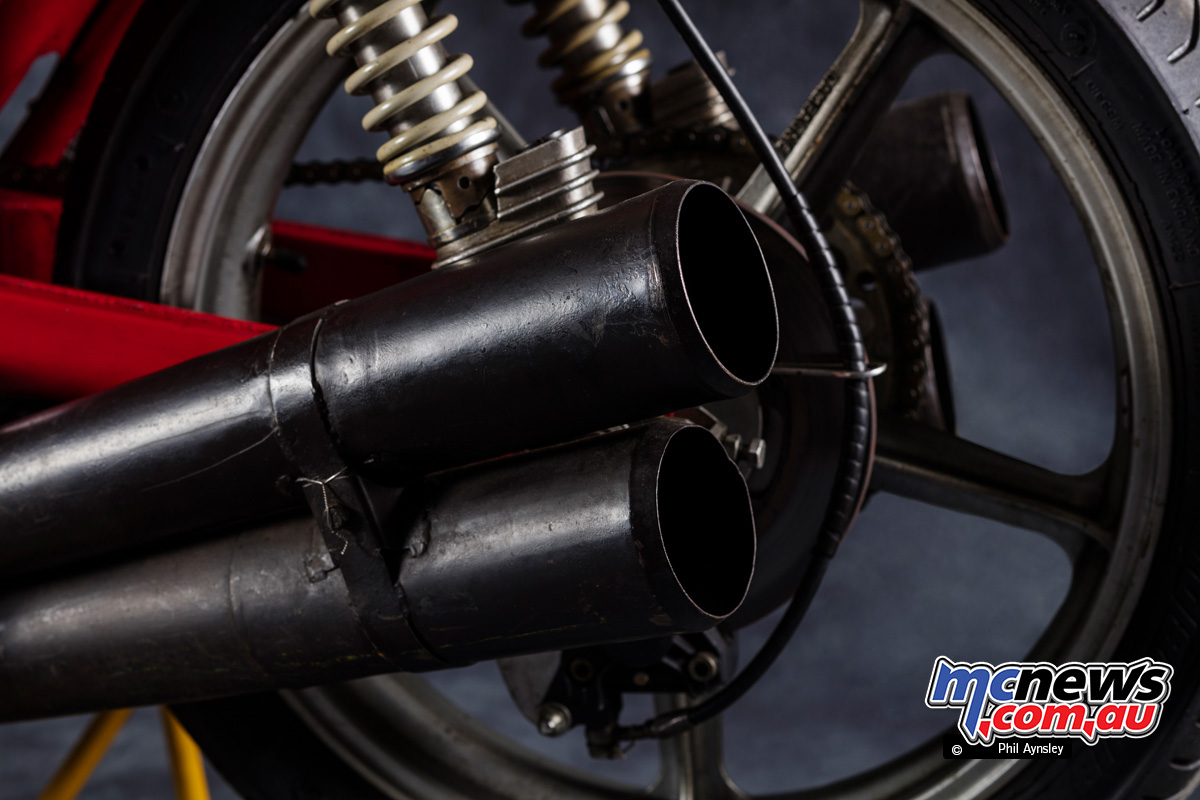
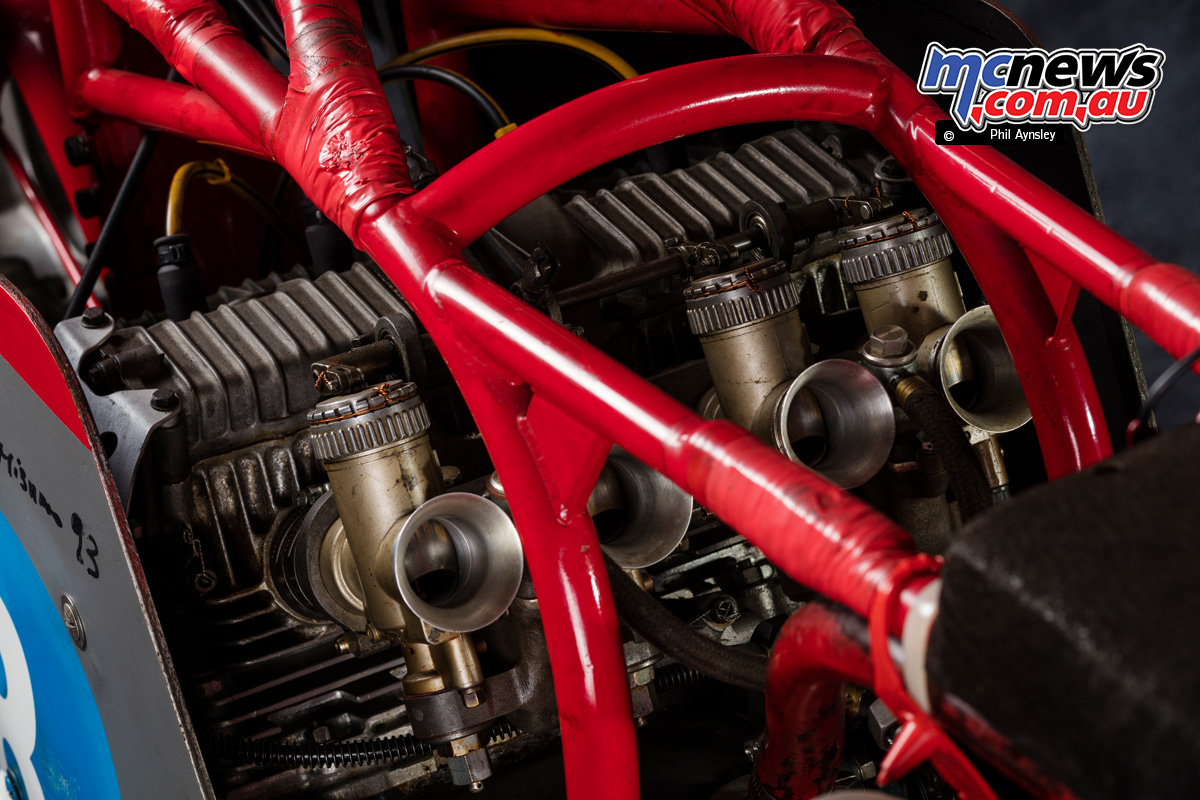
That resolution was an all-new four-cylinder, double-overhead-camshaft, four-valve engine, launched in 1971 at Monza and raced for the primary time by Alberto Pagani. The target was clear: to attain the very best potential peak energy to counter the rising benefit of the lighter, extra responsive two-strokes. Attaining this required an uncompromising strategy to engine design, and the ensuing stresses would outline a lot of the 350/4’s profession.
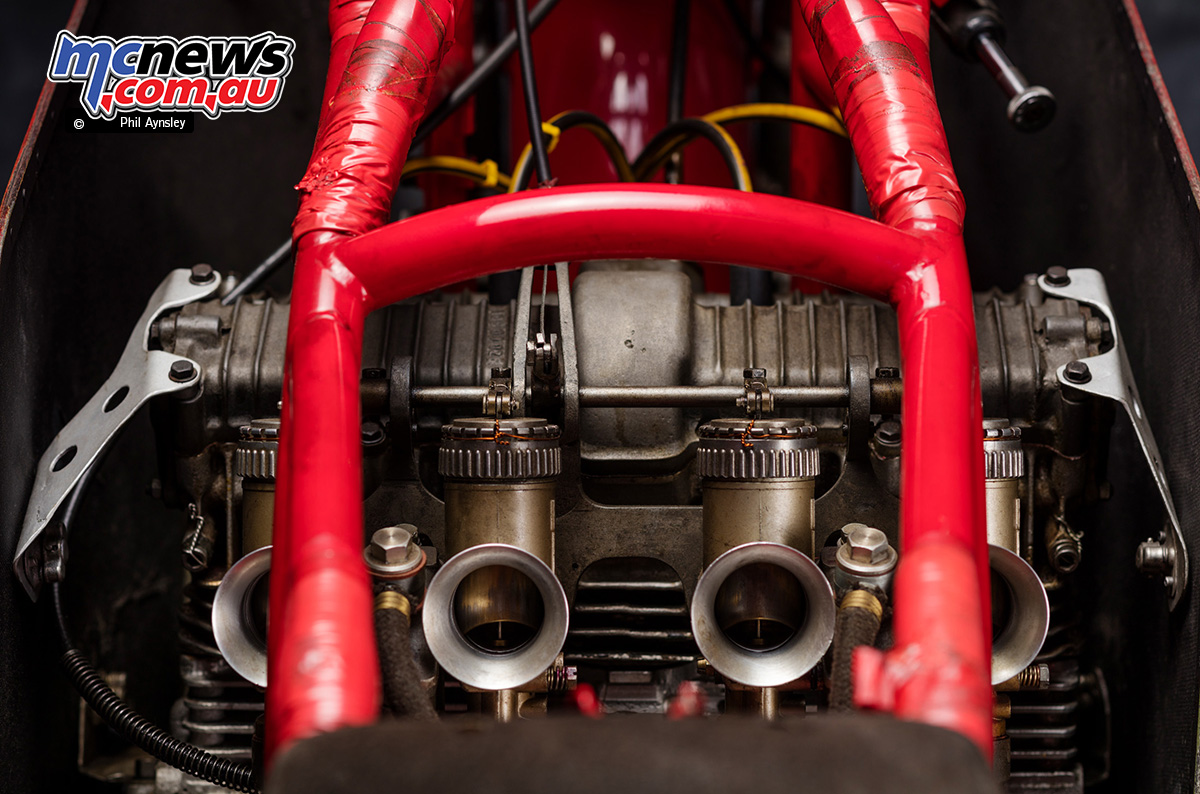
The engine was extraordinarily over-square, with bore and stroke dimensions of 54 × 38.2 mm, permitting sustained operation at very excessive engine speeds. With a compression ratio of 12.2:1, the 350/4 produced a claimed 77 horsepower at 16,400 rpm, figures that had been extraordinary for the interval. Induction was through 4 34 mm carburettors, and energy was transmitted by way of a six-speed gearbox. The whole machine weighed roughly 115 kilograms and was able to a prime pace of roughly 255 km/h.
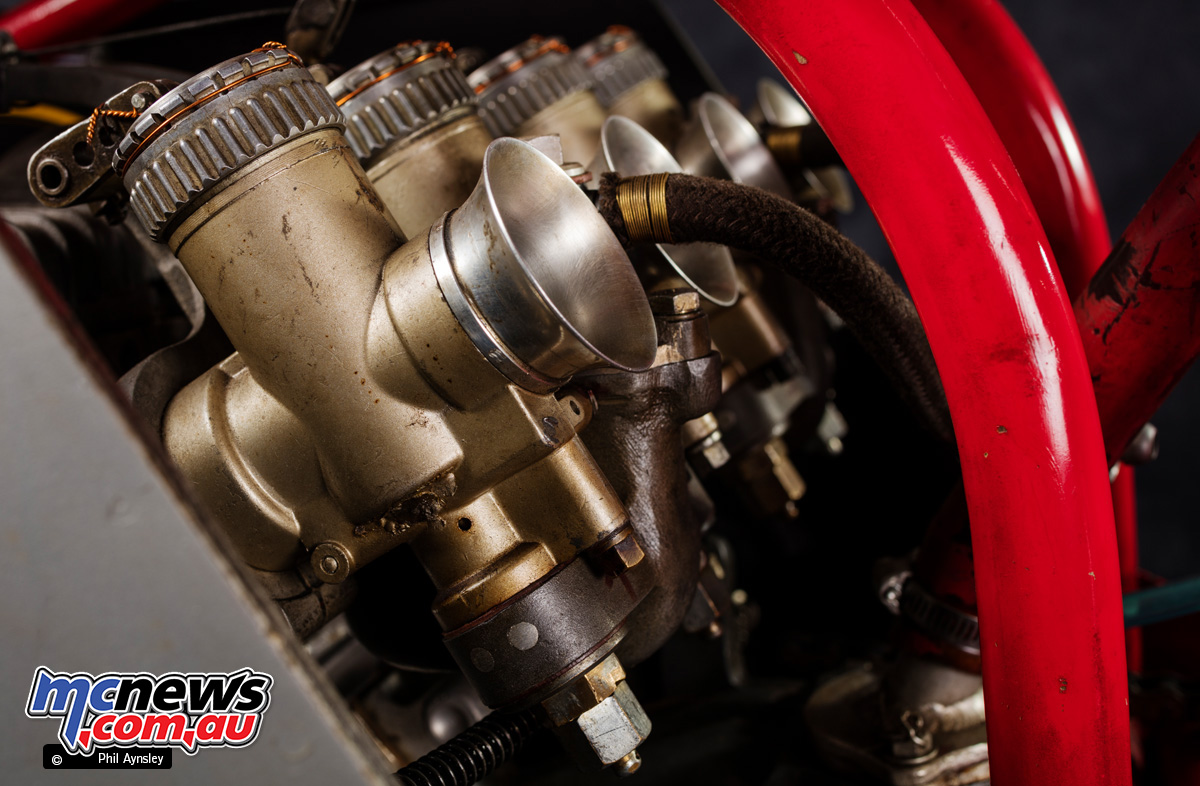
Such efficiency got here at a value. The mechanical hundreds related to sustained excessive rpm operation led to ongoing reliability points all through the machine’s five-year improvement life. Whereas the 350/4 could possibly be devastatingly quick when operating accurately, consistency over a full championship season proved difficult, notably as two-stroke rivals continued to enhance in each energy supply and sturdiness.
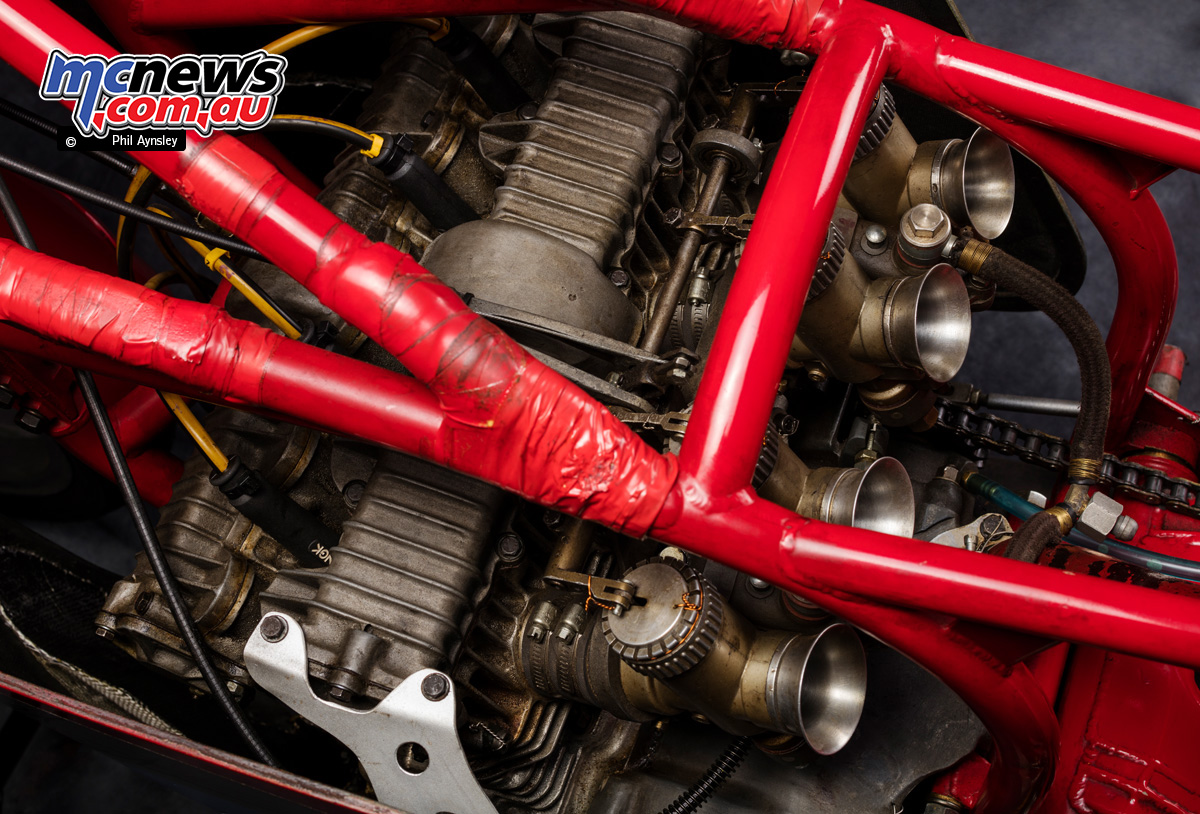
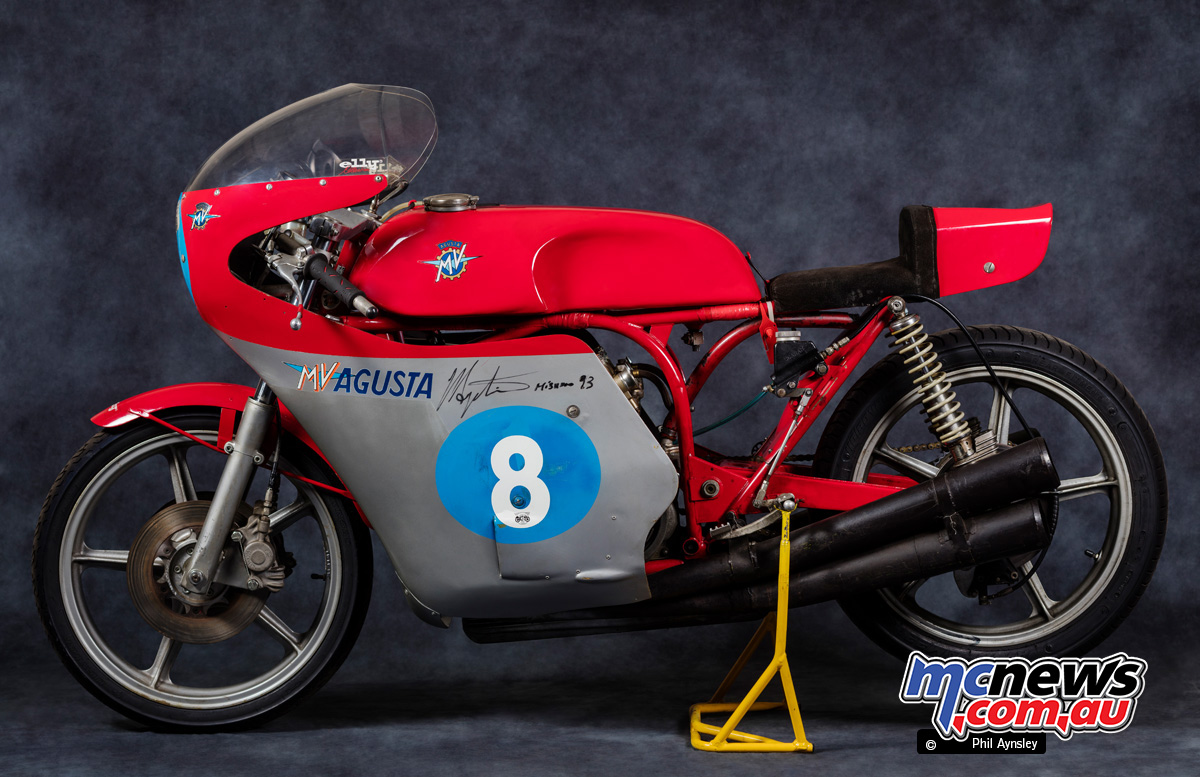
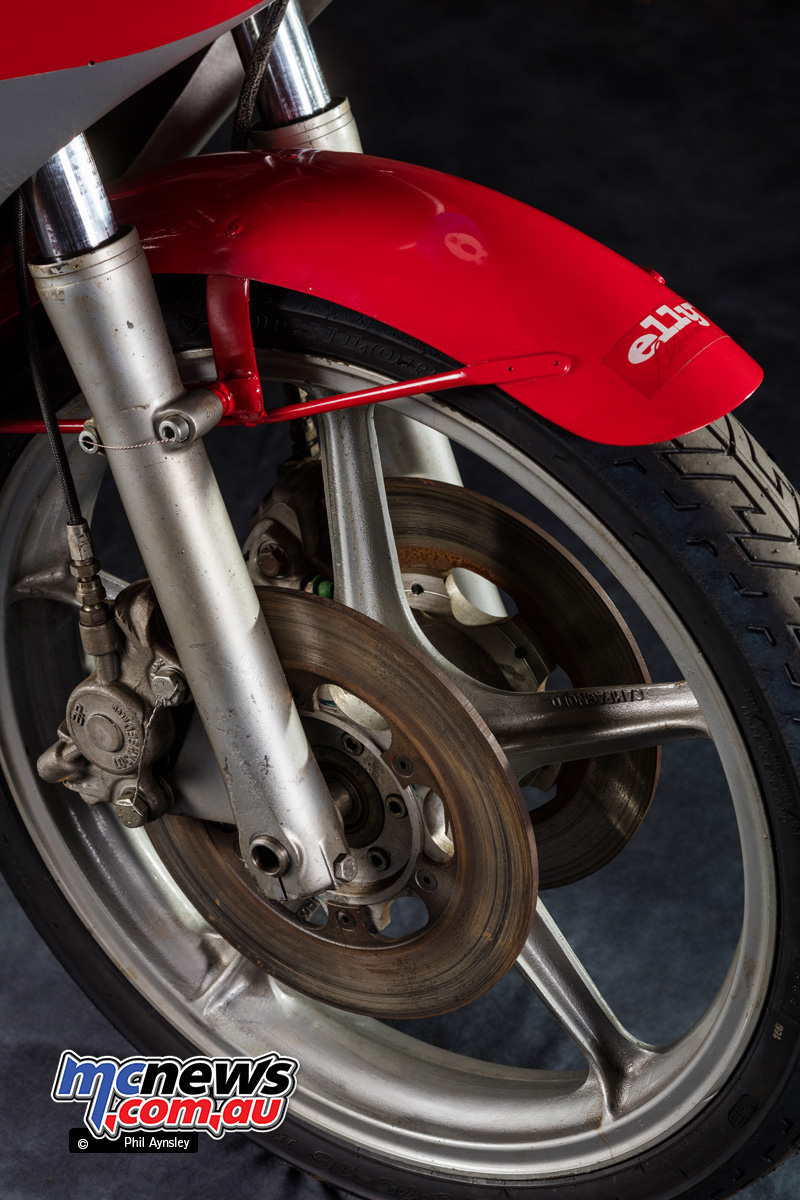
Engineering duty for the engine lay with Ruggero Mazza, whereas Arturo Magni designed the chassis, using a titanium body to scale back weight. Additional weight financial savings had been achieved by way of using magnesium Ceriani entrance forks, Morris magnesium solid wheels, and plasma-coated brake discs, underscoring how far MV Agusta was ready to push materials know-how in its closing Grand Prix efforts.
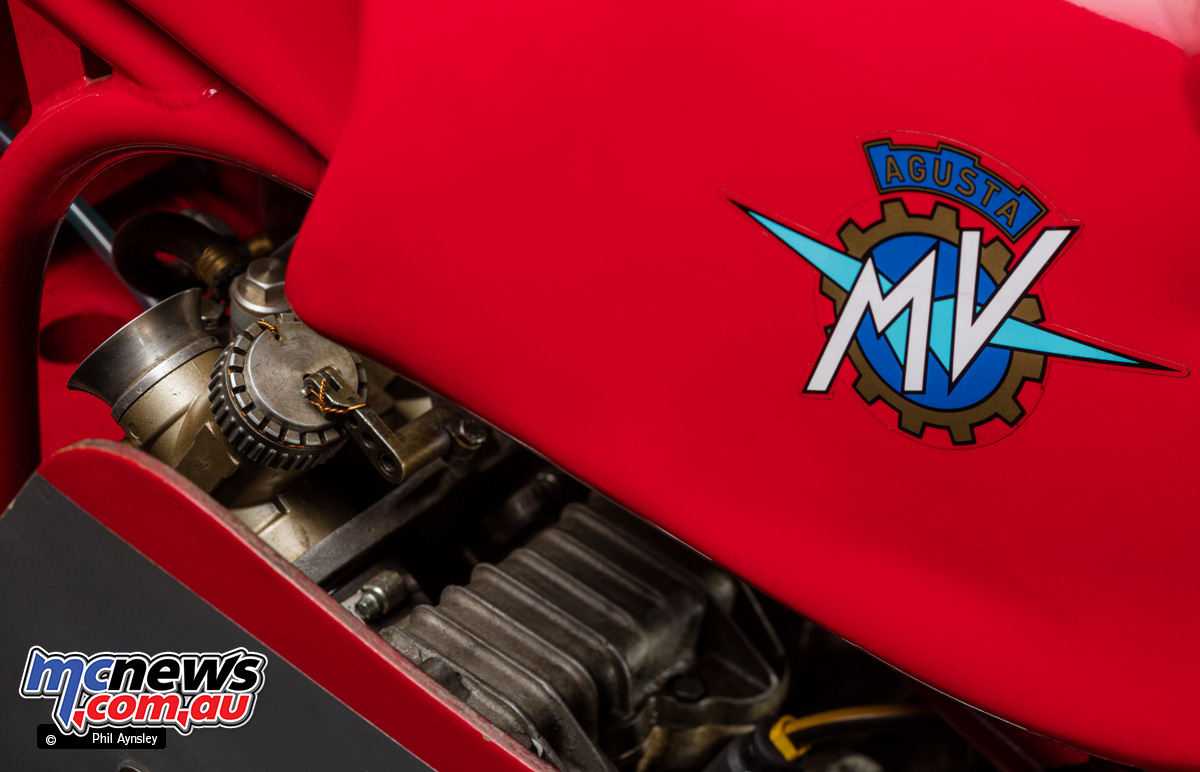
On the racetrack, the 350/4 loved flashes of success. In 1972, Giacomo Agostini gained six of the twelve championship races after the brand new machine was launched from the third spherical, with team-mate Phil Learn additionally securing a victory. Yamaha’s Jarno Saarinen completed second within the championship with three wins, whereas Renzo Pasolini positioned third aboard the Aermacchi/Harley-Davidson.
Agostini efficiently defended the 350 cc World Championship in 1973, although the problem from Yamaha had intensified significantly, with Teuvo Länsivuori making use of sustained stress all through the season. Phil Learn once more completed third on the MV, however it was turning into more and more obvious that the four-stroke was nearing the tip of its aggressive lifespan.
By 1974, the steadiness had tipped decisively. Yamaha, now with Agostini using their two-stroke equipment, dominated the category and secured the title. Phil Learn failed to complete any of the primary 4 races of the season on the MV 350/4, and MV Agusta withdrew from additional rounds. The manufacturing unit didn’t enter the championship in any respect in 1975.
Agostini continued to race below his personal “personal” MV Agusta banner in 1976, reaching a single, symbolic victory on the Dutch TT at Assen. This win stands because the final four-stroke victory within the 350 cc World Championship. Later that very same 12 months, Agostini additionally claimed the ultimate four-stroke win within the 500 cc class, triumphing at a moist Nürburgring after switching from his RG500 Suzuki to the MV Agusta 500/4.
On the finish of the 1976 season, MV Agusta formally introduced its retirement from Grand Prix racing, bringing to an in depth an period outlined by engineering excellence and unprecedented success. The motorbike proven here’s a 1974 MV Agusta 350/4, a machine that represents each the head and the conclusion of MV Agusta’s four-stroke Grand Prix legacy.
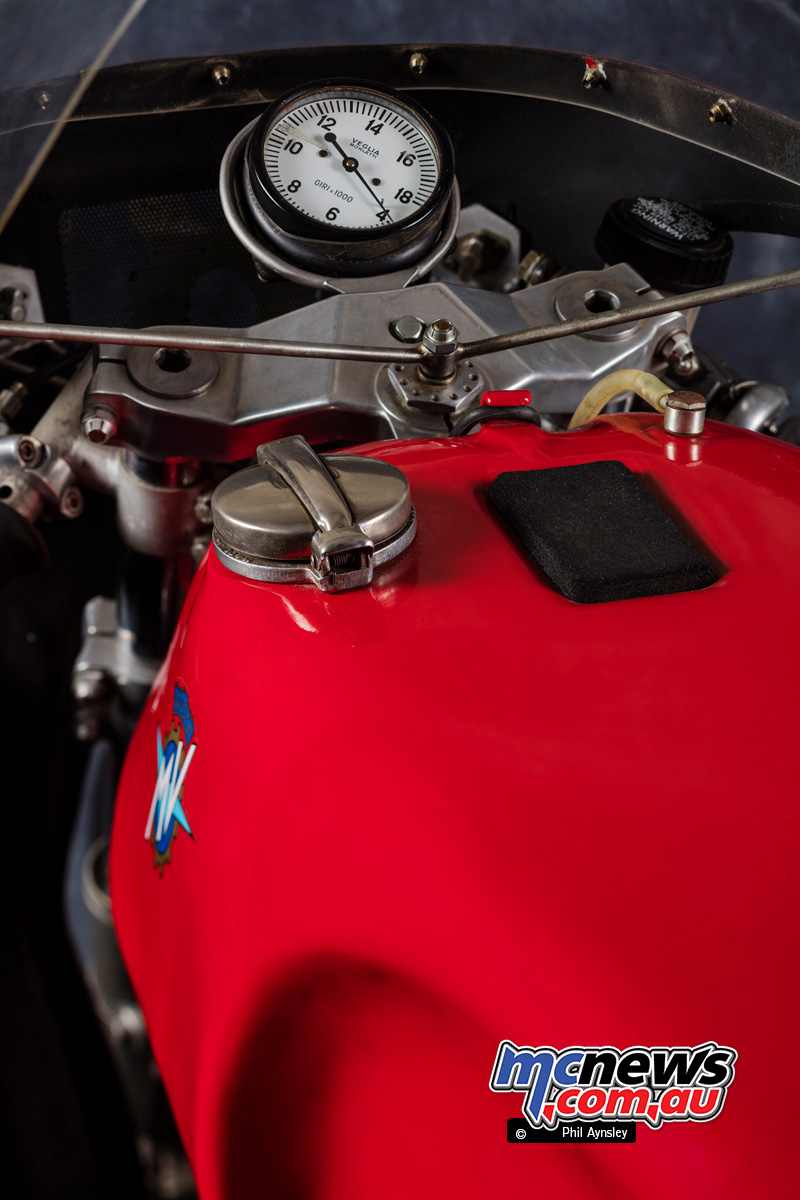
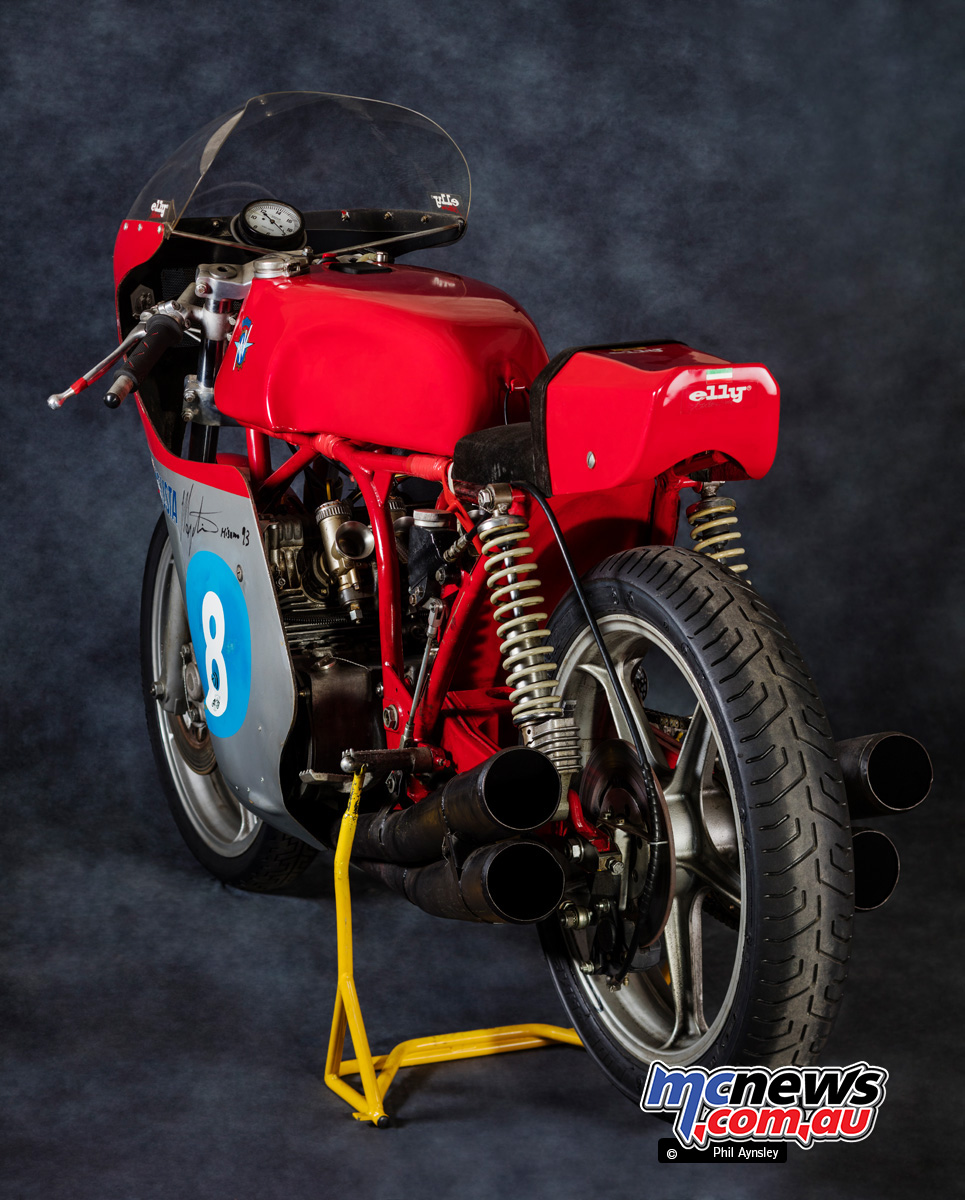
1974 MV Agusta 350/4 Specs
| 1974 MV Agusta 1974 350/4 Specs | |
| Engine | Air-cooled, four-cylinder, four-stroke, four-valves per cylinder, |
| Displacement | 348.5 cc |
| Bore x stroke | 54 x 38.2mm |
| Compression | 12.2:1 |
| Energy | 77 hp at 16,400 rpm |
| Max pace | 255 km/h |
| Body | Titanium double cradle tubular body |
| Suspension | Magnesium Ceriani forks |
| Wheels | Morris magnesium solid wheels |
| Weight | 115 kg |
Pictures by Phil Aynsley
Trending Merchandise