Suzuki RGV XR80
Kenny Roberts Jr.’s Championship Successful Bike
That is Kenny Roberts Jr.’s Suzuki RGV XR80, the machine on which he secured the 2000 500 cc World Championship, and it represents some of the methodical growth successes of the ultimate two-stroke period.
Roberts Jr.’s path to the Suzuki manufacturing unit group was itself important. After racing for his father’s Group Roberts in 1997 and 1998 aboard the Modenas KR3, he made the transfer to Suzuki for the 1999 and 2000 seasons. On the time, Suzuki was struggling to match the outright efficiency of Honda and Yamaha, significantly by way of energy supply and chassis stability, and the RGV undertaking required greater than incremental change.

A vital ingredient of that transfer was the involvement of Australian engineer and former racer Warren Prepared, who transferred with Roberts Jr. from Group Roberts with Kenny Roberts Sr.’s blessing. Prepared introduced with him a growth philosophy formed by Group Roberts’ data-driven method, and his affect would show central to Suzuki’s resurgence.
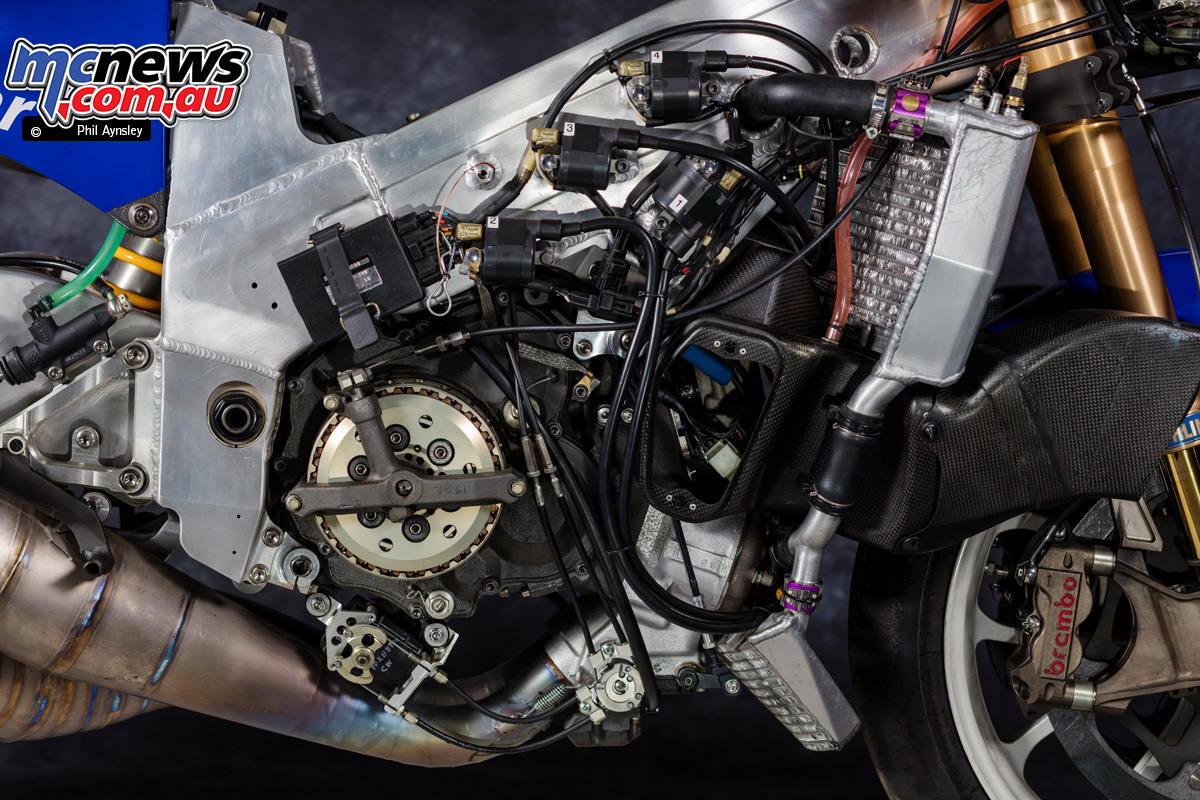

With the approval of Suzuki race boss Tadeo Shienoya and group supervisor Garry Taylor, Prepared was in a position to entry and apply methodologies that had beforehand not been a part of Suzuki’s programme. These included the usage of Group Roberts’ transient dynamometer, which allowed evaluation of throttle response and dynamic load adjustments, in distinction to Suzuki’s current static dyno. As well as, a devoted chassis testing rig enabled extra exact analysis of body behaviour underneath racing circumstances. The information gathered by means of these instruments had a major impression on the path of RGV growth throughout the 1999 and 2000 seasons.

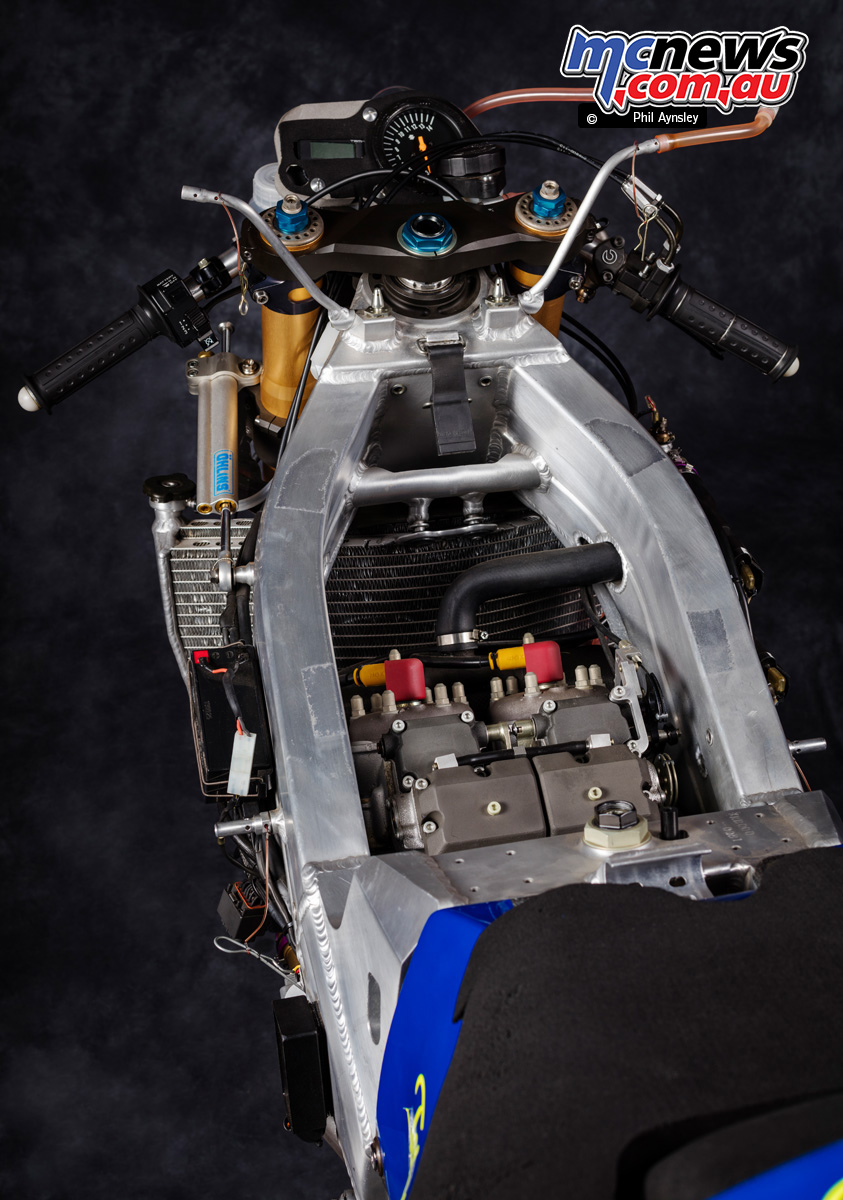
One of many key outcomes was a reassessment of chassis philosophy. Direct comparisons with earlier Yamaha and KR3 frames revealed that the Suzuki chassis was excessively inflexible. Because of this, the RGV’s body was made extra versatile, and its geometry was revised to enhance really feel, traction and mid-corner suggestions, significantly on nook entry and exit.
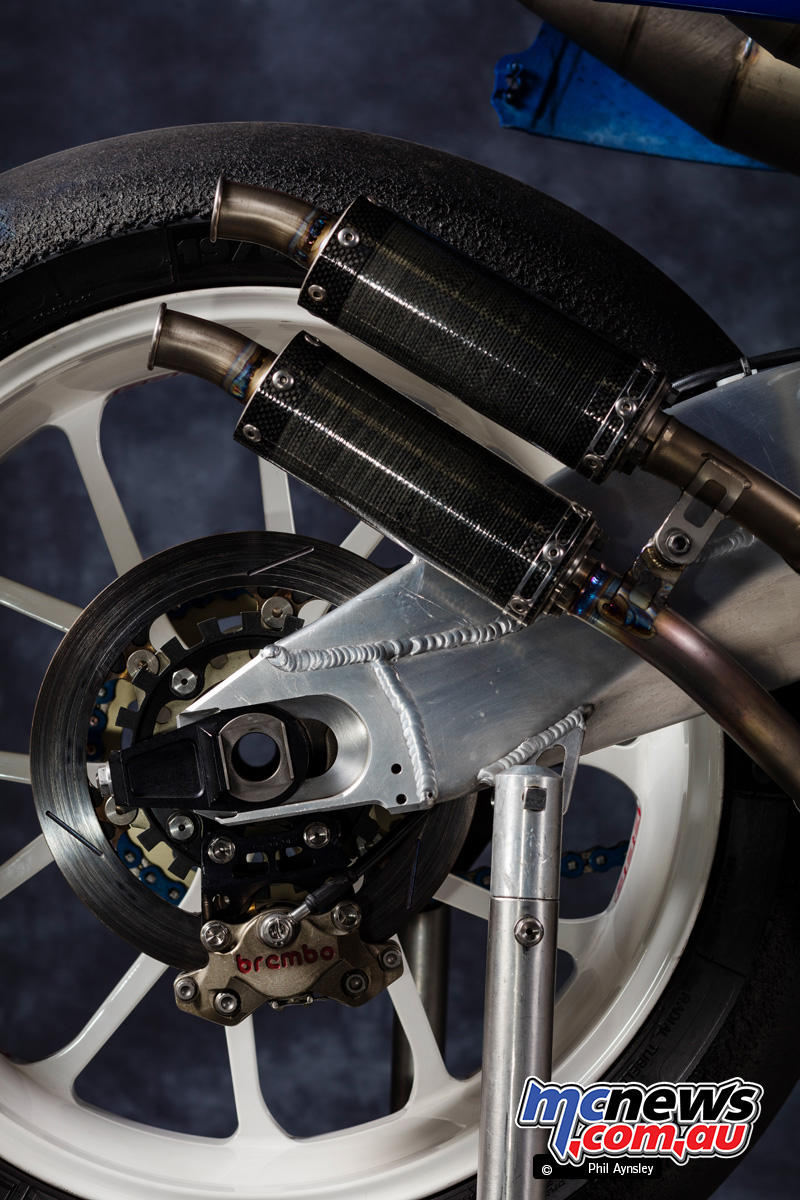
Engine efficiency was one other crucial space. The Suzuki V4 was identified to undergo a pronounced mid-range deficit round 10,000 rpm in comparison with its Honda and Yamaha rivals, with estimates putting the shortfall at greater than 20 horsepower. To deal with this, newly designed enlargement chambers have been developed by Group Roberts’ US-based engine tuner Bud Aksland. Whereas they didn’t fully erase the hole, these pipes considerably improved mid-range response and rideability.
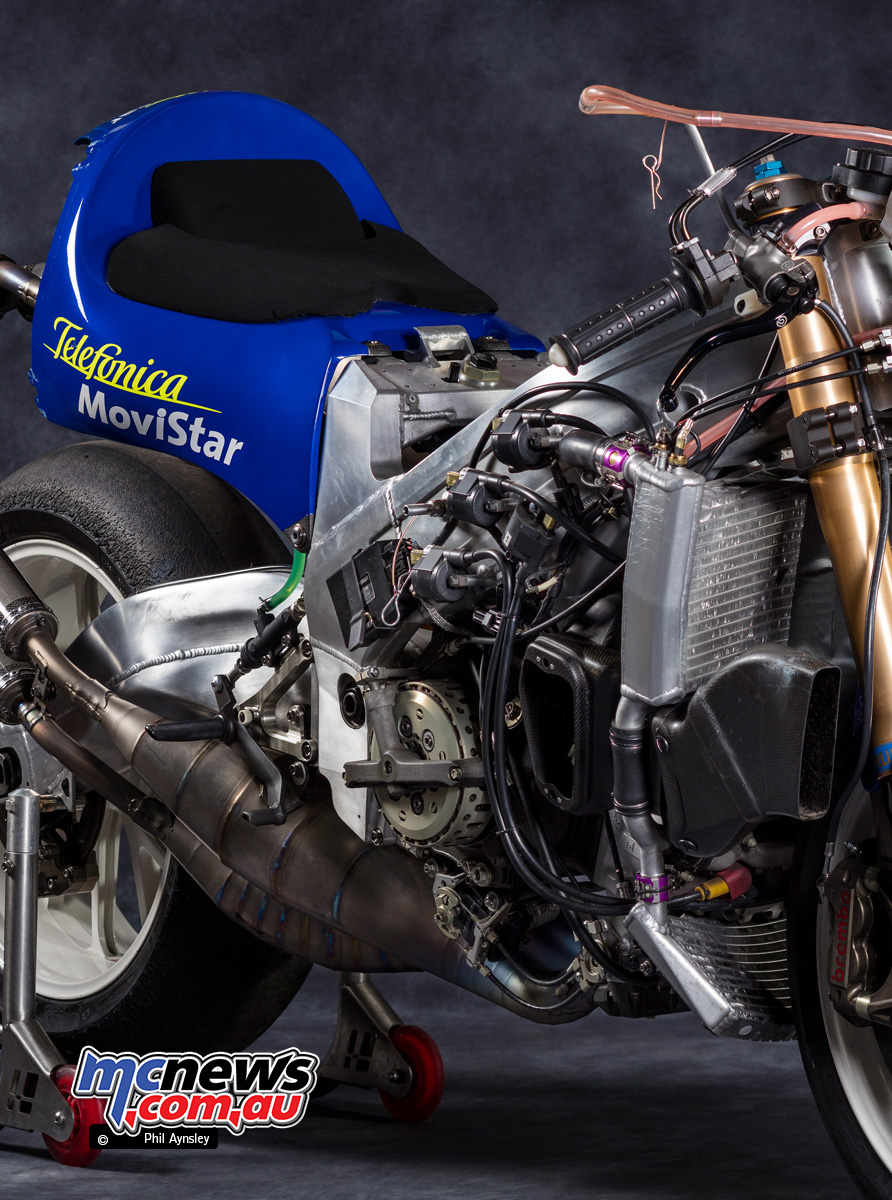
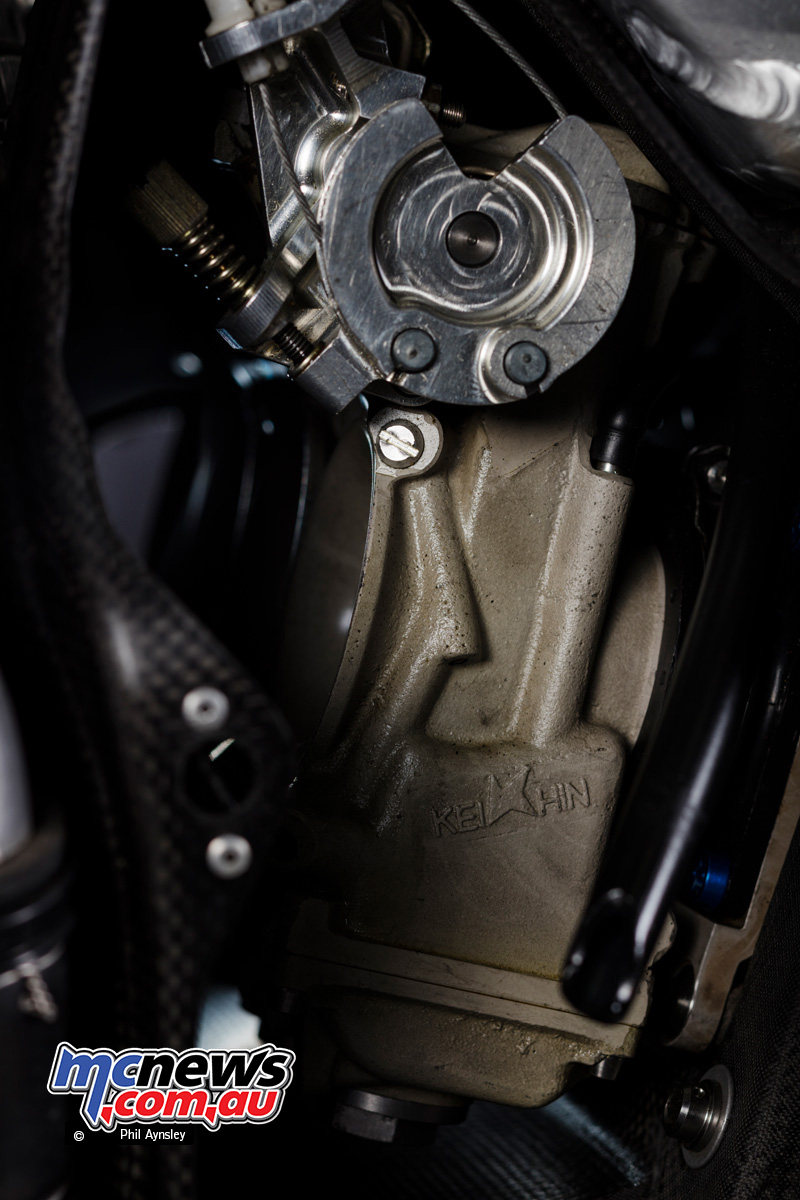
By 2000, the engine’s bore and stroke configuration had stabilised at 54 × 54 mm after a number of earlier mixtures have been trialled. For the primary time, selectable energy maps have been launched, giving riders larger management over energy supply to swimsuit various monitor circumstances. The RGV500 breathed by means of 36 mm Keihin flat-slide carburettors.
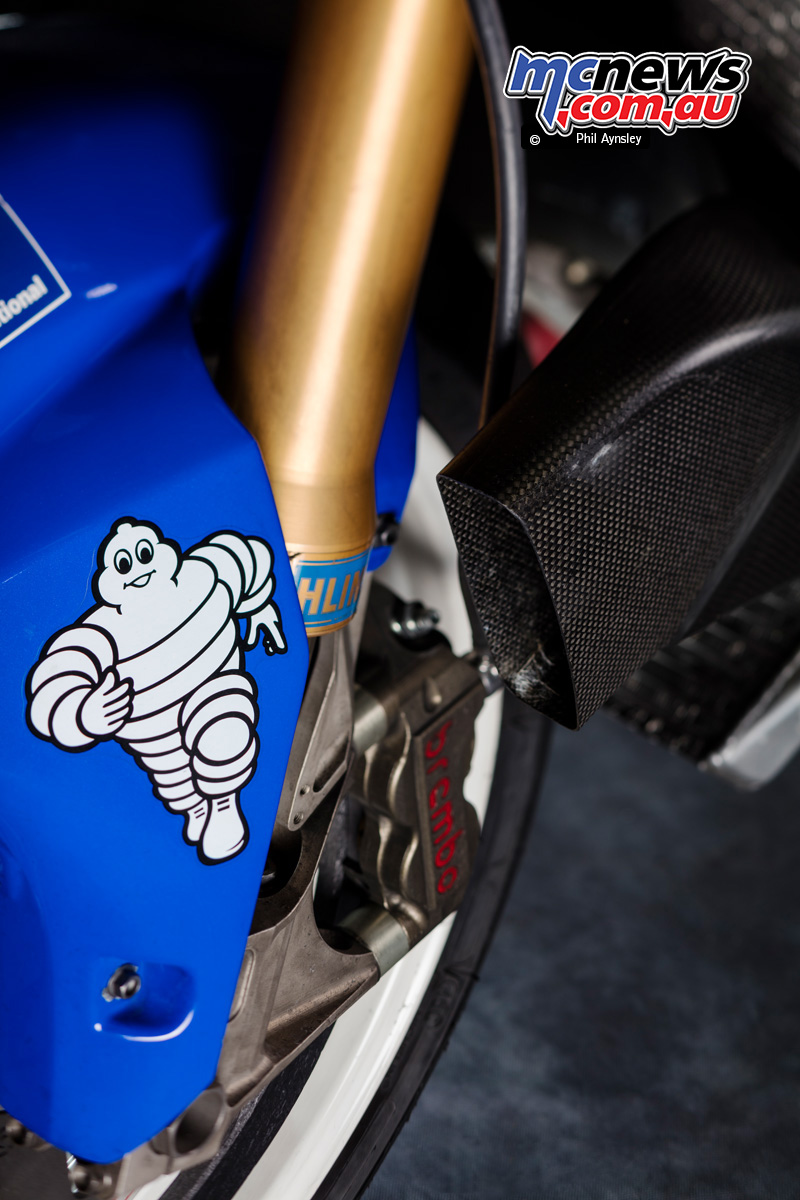
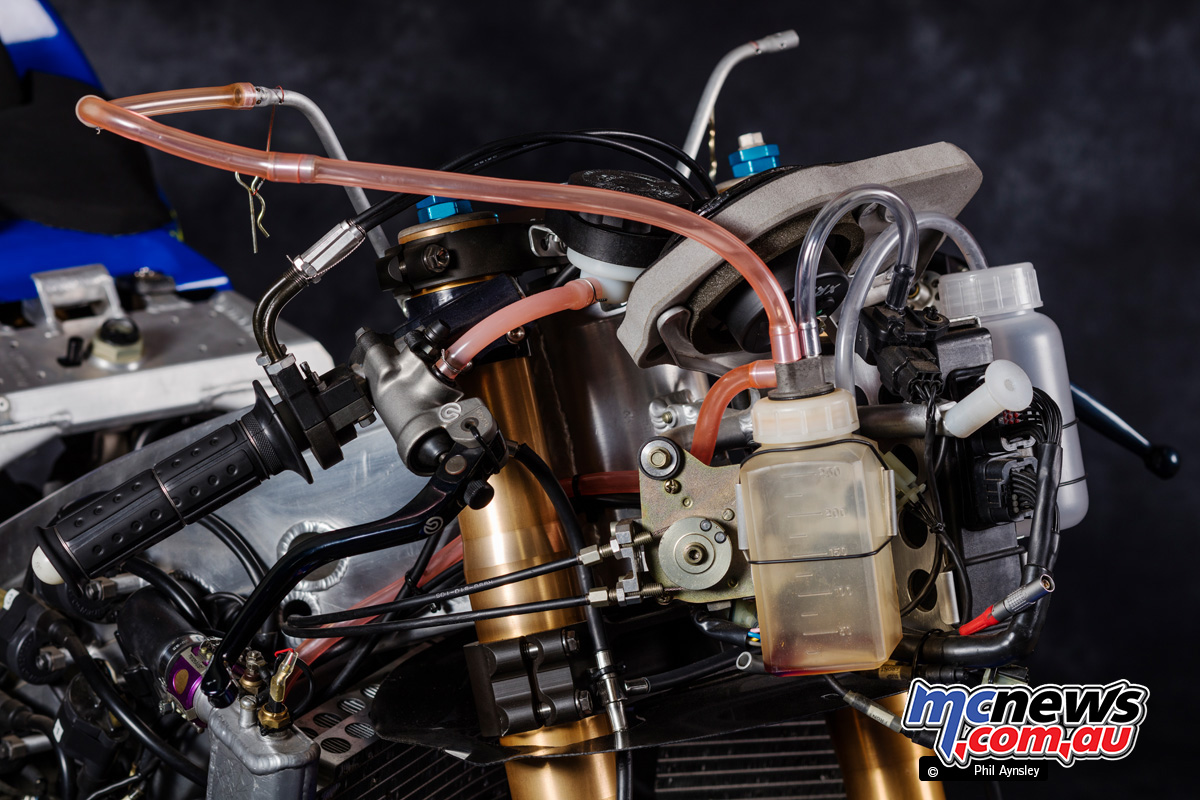
Chassis and element growth continued in parallel. The RGV adopted a self-supporting carbon-fibre subframe, decreasing weight and enhancing mass centralisation. Suspension was switched from Showa to Öhlins, whereas BBS wheels and radial-mount Brembo brake callipers have been fitted, reflecting the fast evolution of braking and suspension know-how on the shut of the two-stroke period.
Wheel dimension was one other space of transition. The 1999 XR89 mannequin was designed round 17-inch wheels, a configuration retained for a lot of the 2000 season on the XR80. Nonetheless, the swift industry-wide shift to 16.5-inch wheels compelled Suzuki to undertake them later within the yr, even though they weren’t universally superior and sometimes proved much less forgiving in sure circumstances.
On monitor, the outcomes justified the intensive growth effort. In 1999, Roberts Jr. completed second within the World Championship behind Àlex Crivillé, claiming 4 victories. He repeated that win tally in 2000, however with larger consistency, finally defeating Valentino Rossi to safe the five hundred cc World Championship.
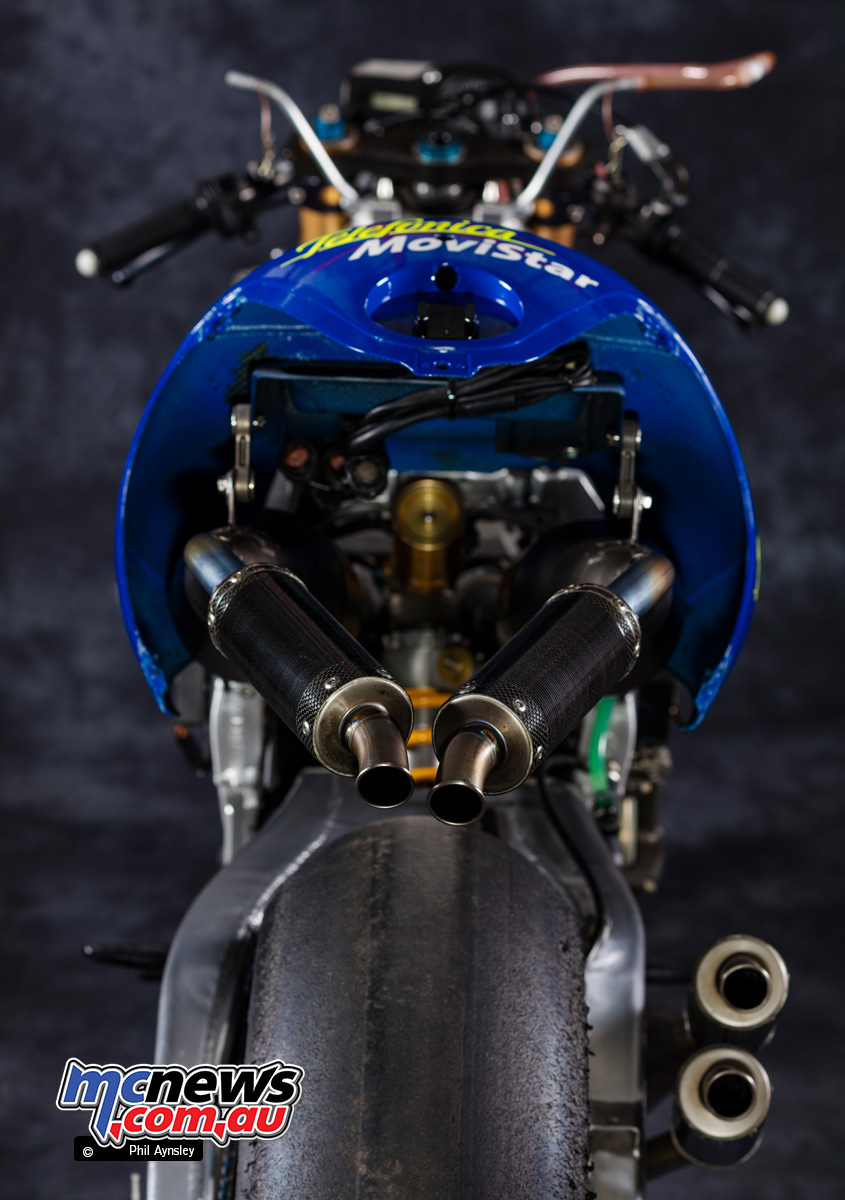

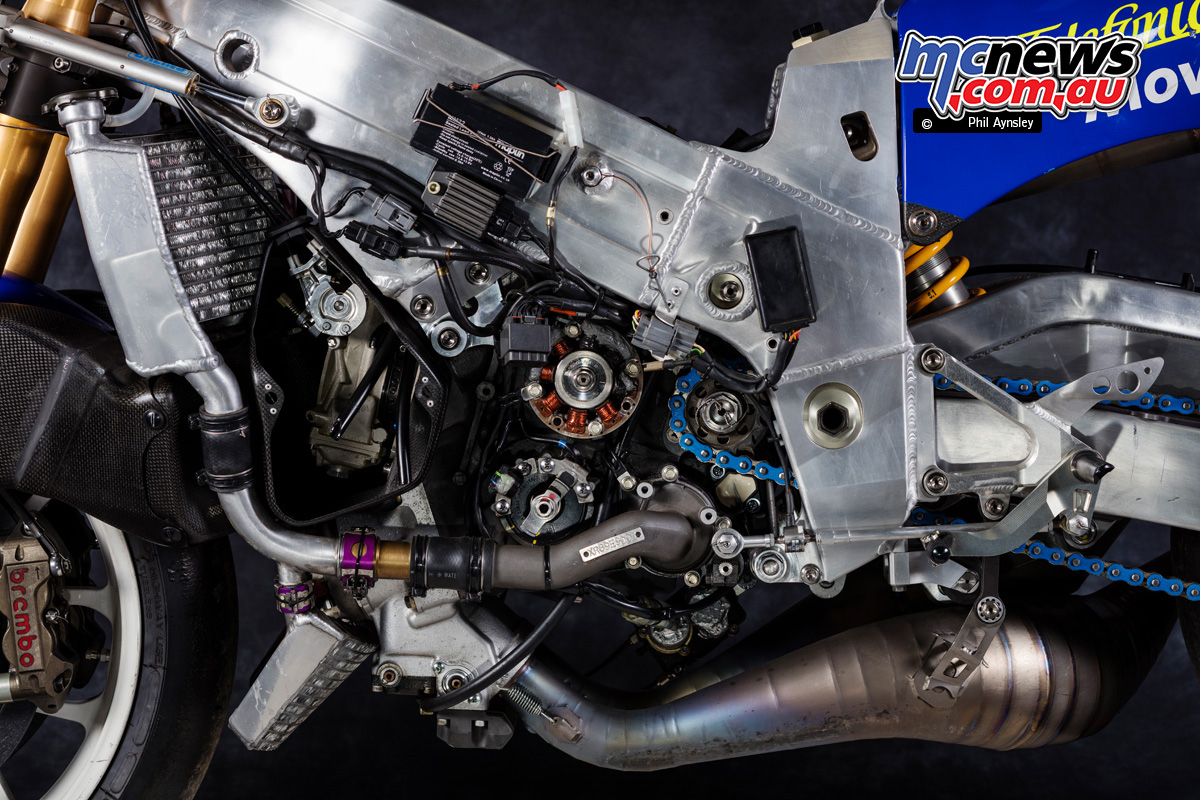
The XR80 thus stands not solely as a title-winning machine, however as a transparent instance of how structured engineering, data-driven growth and cross-pollination of concepts reworked Suzuki from an outsider right into a championship-winning drive on the finish of the premier two-stroke period.

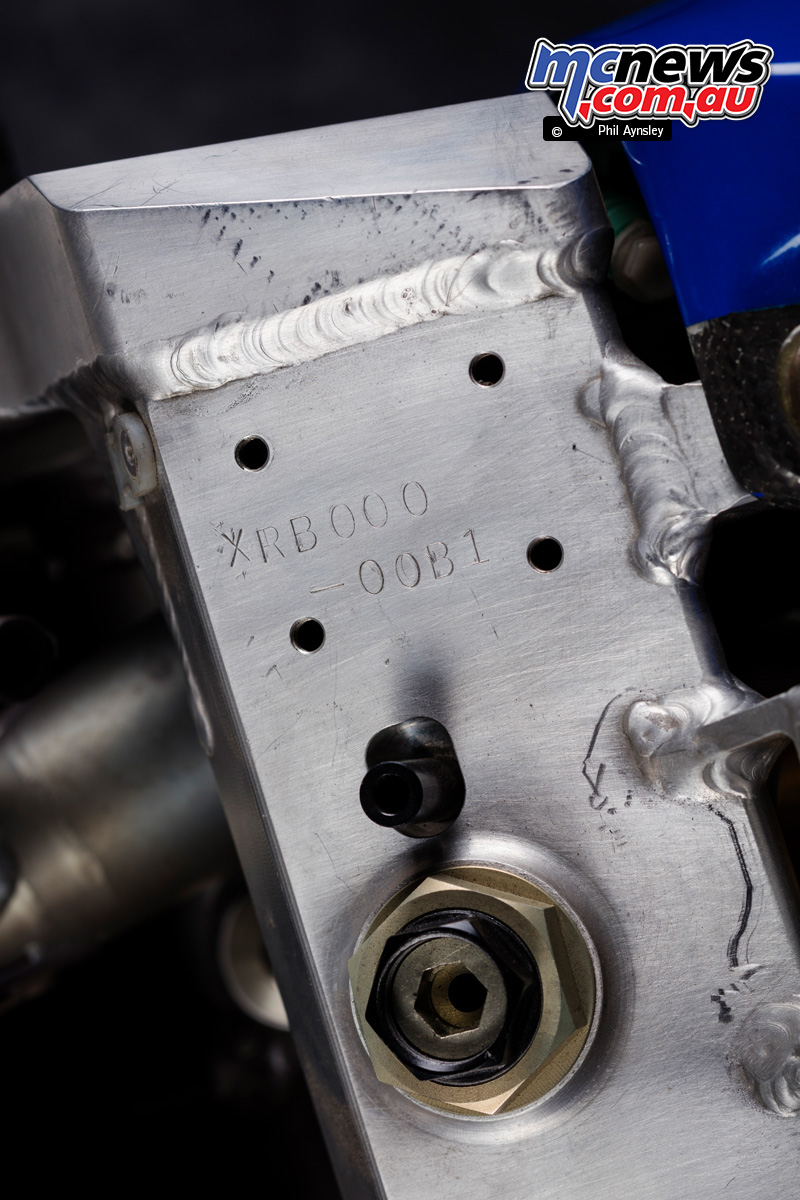

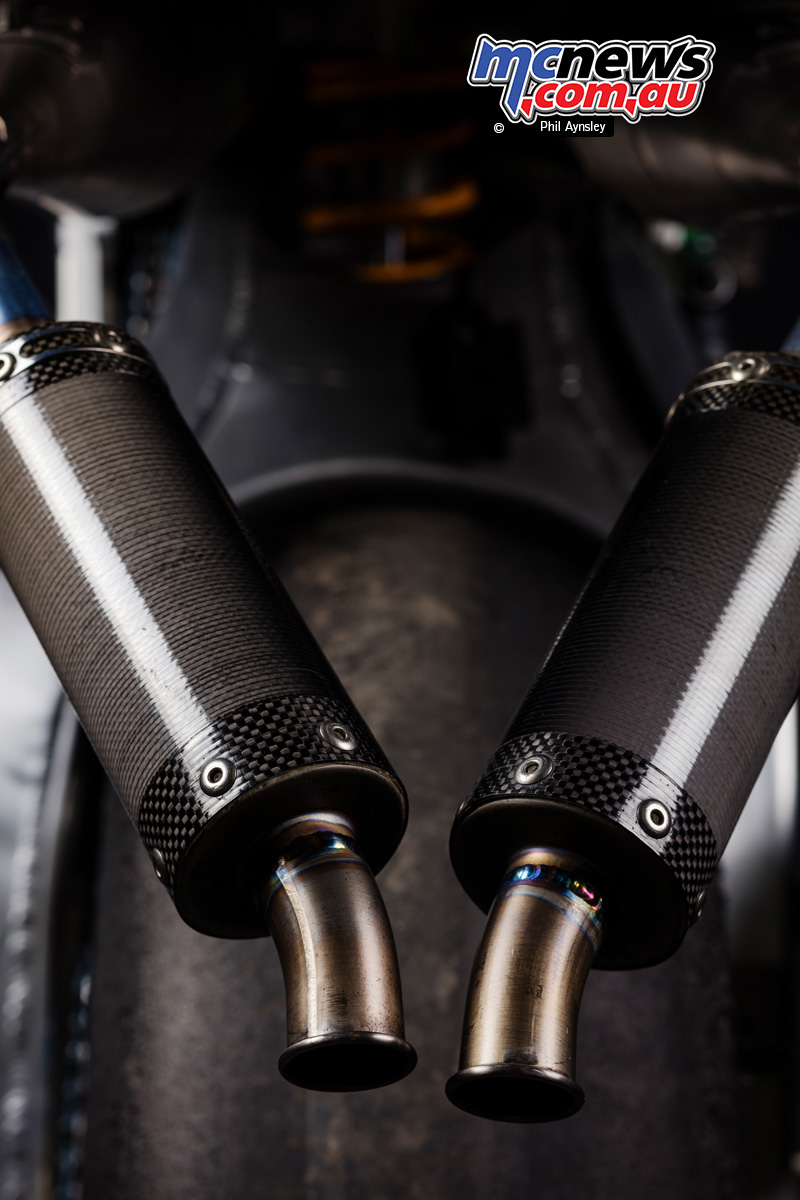

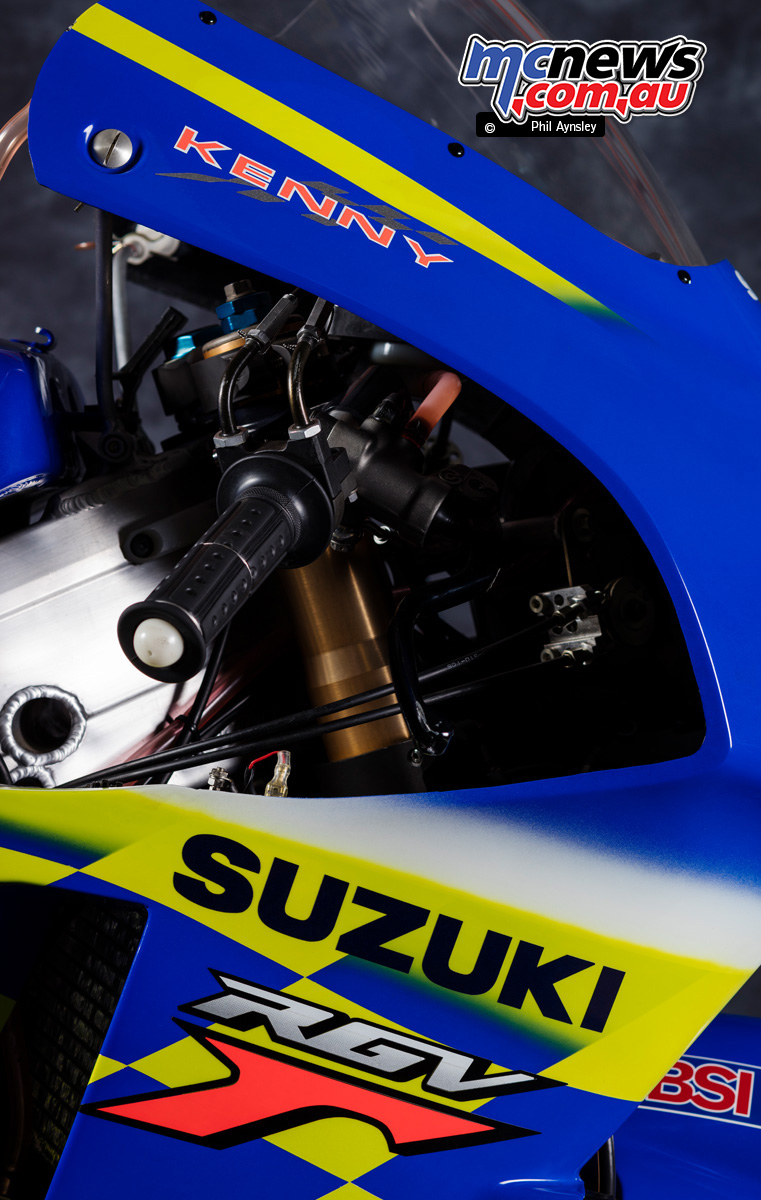
All photos on this RGV500 function have been shot by Phil Aynsley
Suzuki RGV XR80 Specs
| Suzuki RGV XR80 Specs | |
| Engine | 499cc two-stroke 80° reed-valve V4 |
| Bore x stroke | 54 x 54 mm |
| Induction | 36 mm Keihin flat-slide carburettors |
| Efficiency | 185 hp at 12,500 rpm |
| Weight | 130 kg |
| Suspension | Ohlins |
Trending Merchandise