Yamaha FZ750 0U45
Eddie Lawson’s 1986 Daytona 200 win
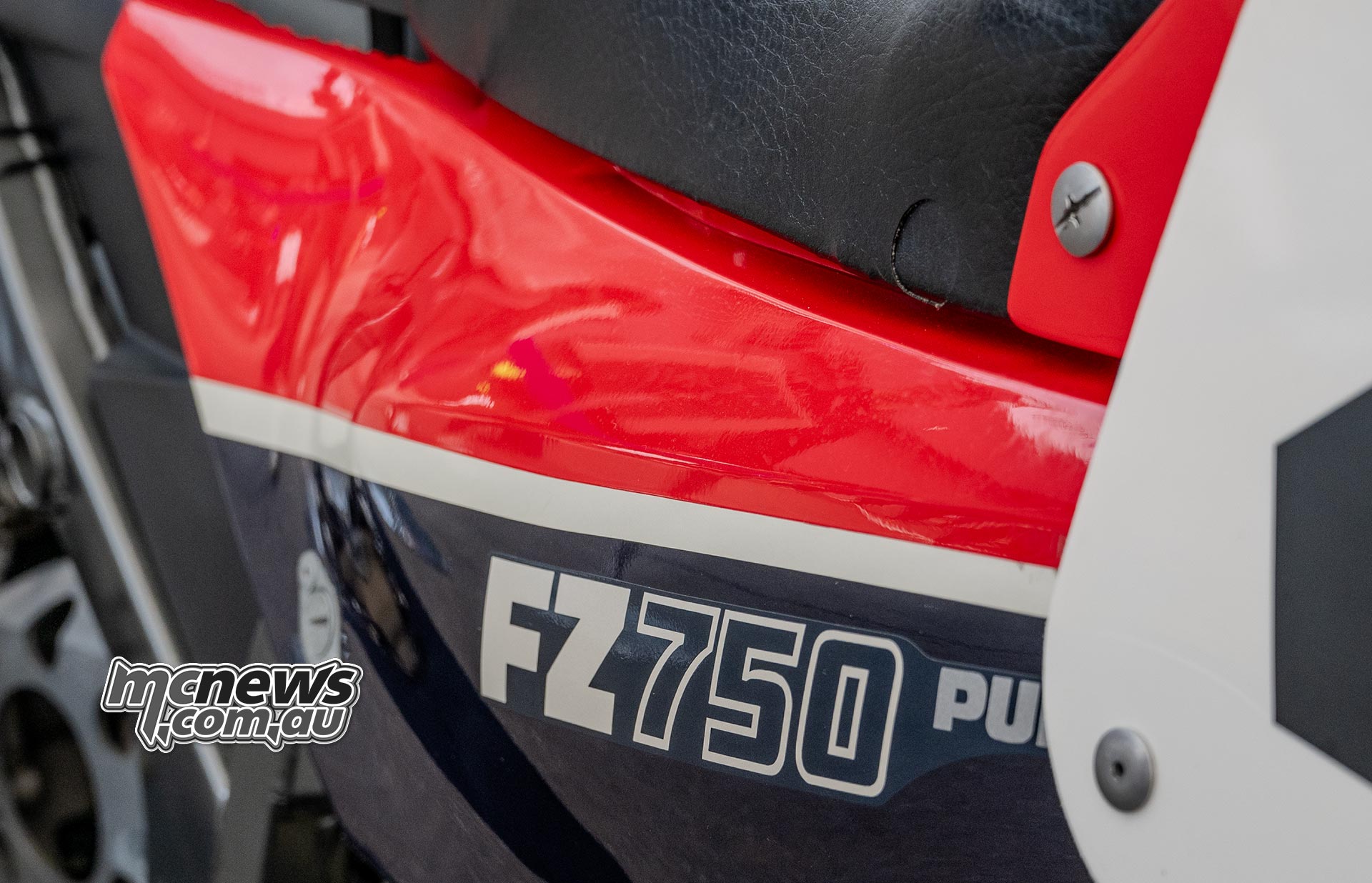
When the chequered flag fell at Daytona in March 1986, it didn’t simply sign one other Eddie Lawson masterclass. It marked the second Yamaha’s daring Genesis idea got here of age, delivered by a factory-built Superbike that is still probably the most fascinating works machines the corporate ever produced: the Yamaha FZ750 0U45.
That is the story of that bike, the win that outlined it, and the period it helped reshape.
A New Period on the Banks
The mid-’80s had been a interval of upheaval in American street racing. The AMA had retired the unique Method 1 GP-style machines from the Daytona 200 and declared the longer term to be production-based Superbikes. Decrease prices, nearer racing, and stronger showroom relevance had been the goals.
Producers scrambled to reply. Kawasaki had the GPZ, Honda had the VFR-based RVF kits ready within the wings, Suzuki was gearing up with the GSX-R, and Yamaha had simply unveiled one thing radically completely different: the FZ750 Genesis.
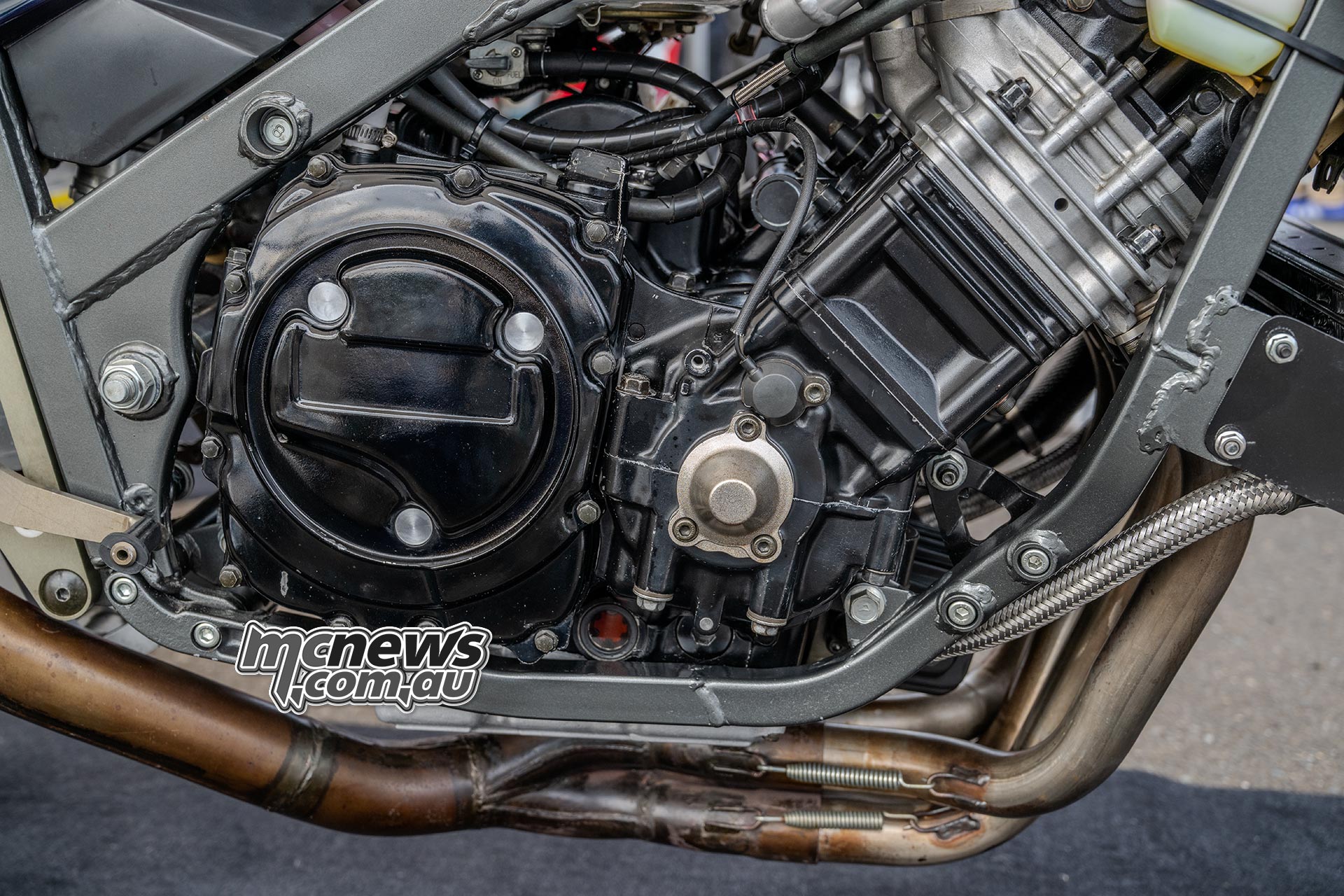
With its 45-degree forward-canted engine, straight-through downdraft carburation and five-valve-per-cylinder head, the FZ wasn’t simply one other UJM; it was an announcement. And whereas the street bike made its mark instantly, Yamaha’s racing division in Iwata noticed a fair greater ceiling.
Daytona-level excessive.

Constructing the 0U45 – A Manufacturing facility Superbike in Disguise
For the 1986 AMA season and the Daytona 200, Yamaha produced a small handful of manufacturing facility specials, coded 0U45, that bore a floor resemblance to the FZ750 however shared little or no beneath the fairing.
This wasn’t a hopped-up street bike. It was a hand-built works Superbike, crafted particularly for the distinctive calls for of the Daytona excessive banks.
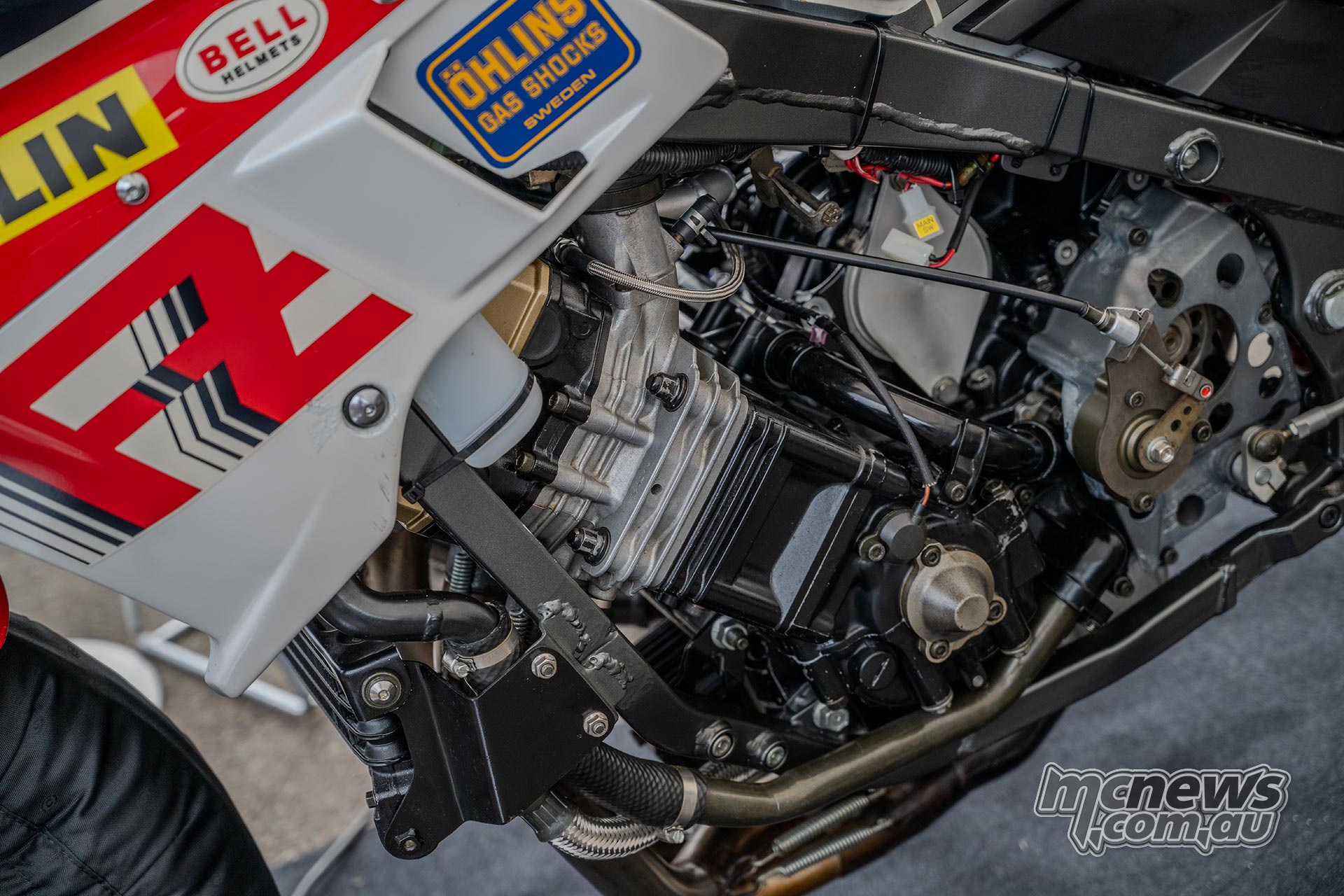
Engine: The 5-Valve Weapon
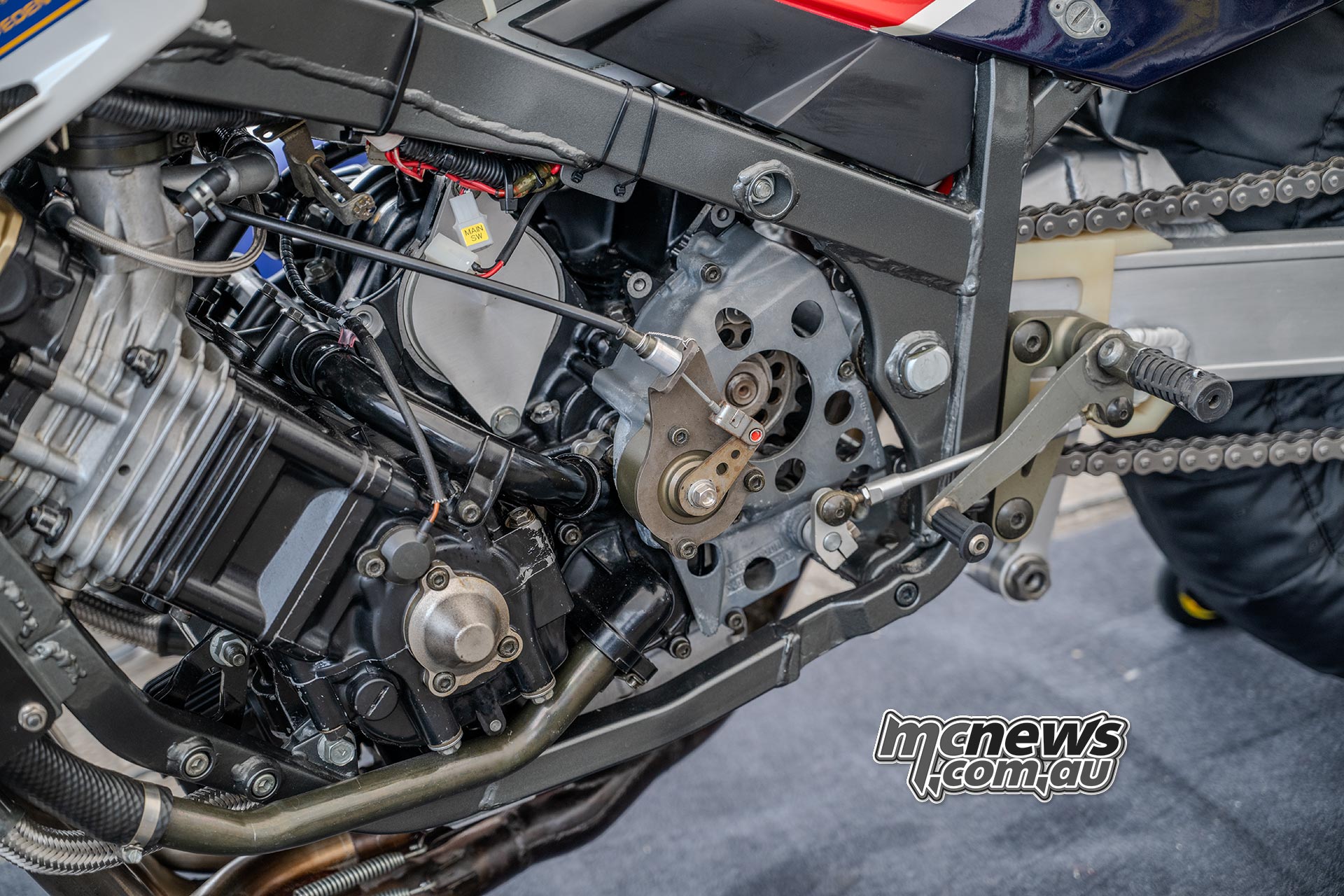
Yamaha stored the five-valve structure however went to city all over the place else:
- Full works internals
- Hotter cams and bespoke timing
- Race-kit lubrication and cooling
- Dry clutch
- Strengthened instances and revised oiling pathways
- 130+ hp was an enormous determine for the time
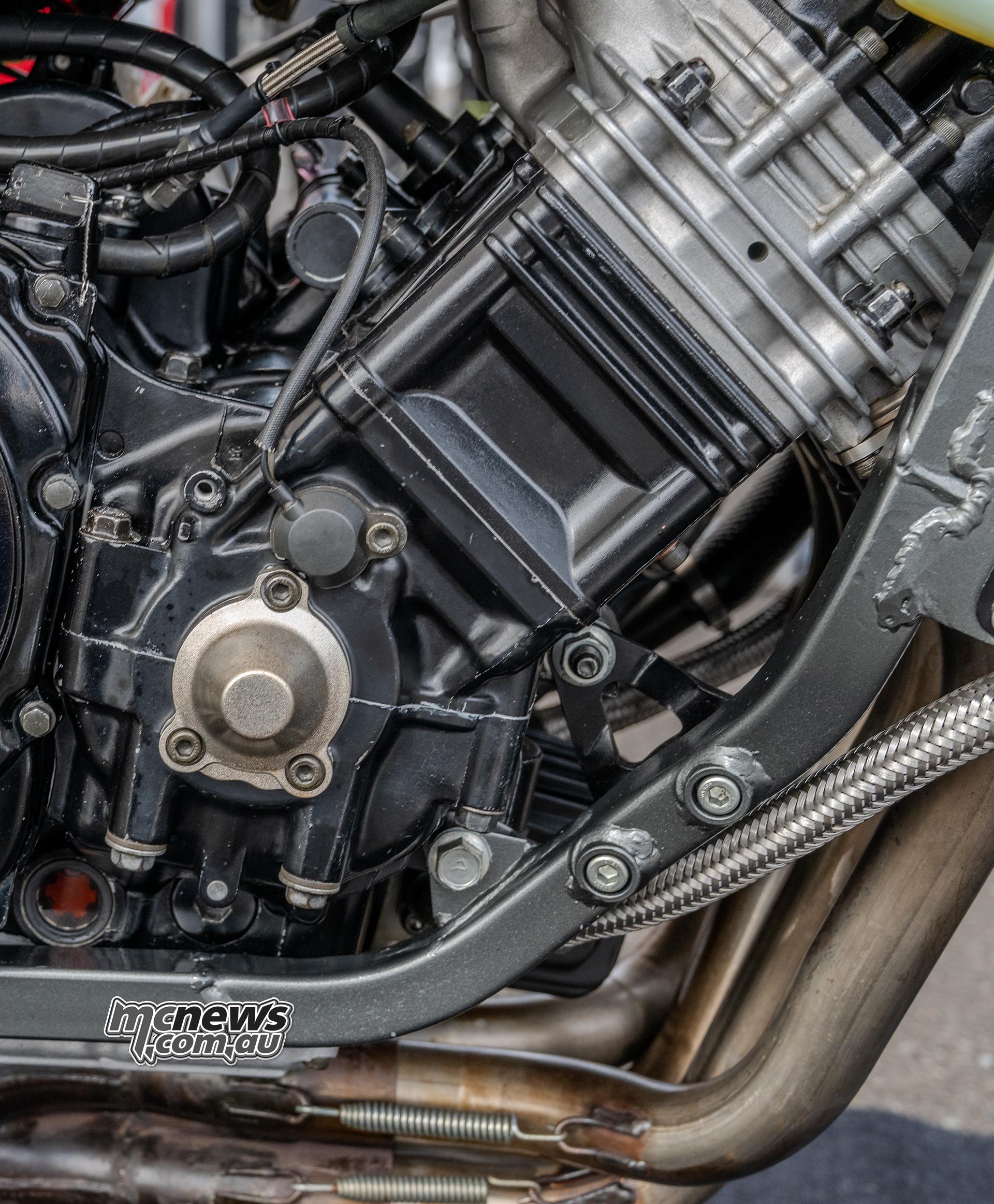
The forward-canted structure was excellent for Daytona, protecting the centre of gravity low and feeding the carbs with cool, direct airflow.
Chassis: Metal, Braced and Very A lot Not Inventory
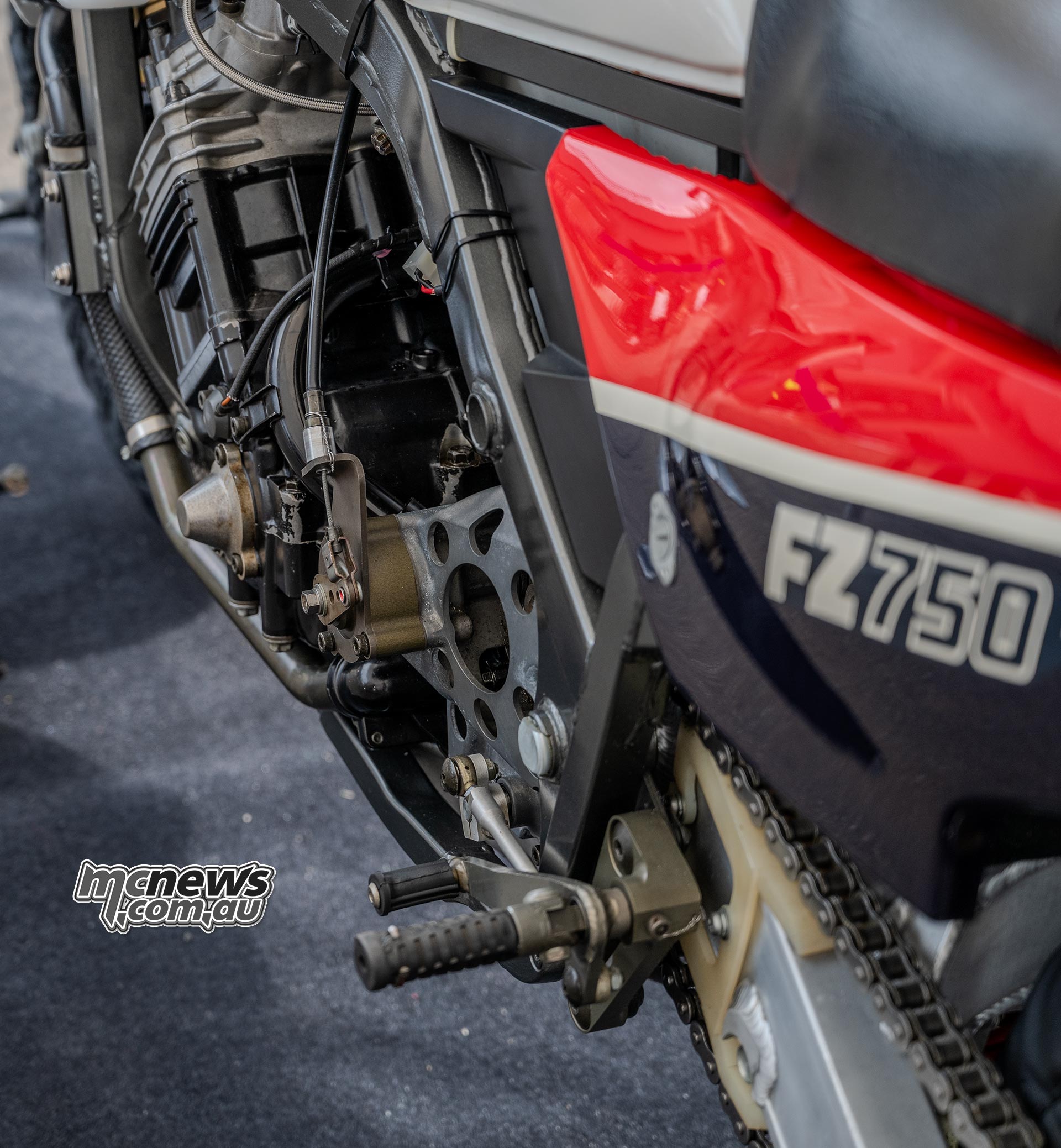
Whereas the showroom FZ used a metal double-cradle body, the 0U45’s model was closely modified:
- In depth gusseting and bracing
- Altered rigidity steadiness for stability at 160 mph
- Revised rising-rate rear suspension
- Manufacturing facility-spec forks and shock
- Magnesium Marvic wheels
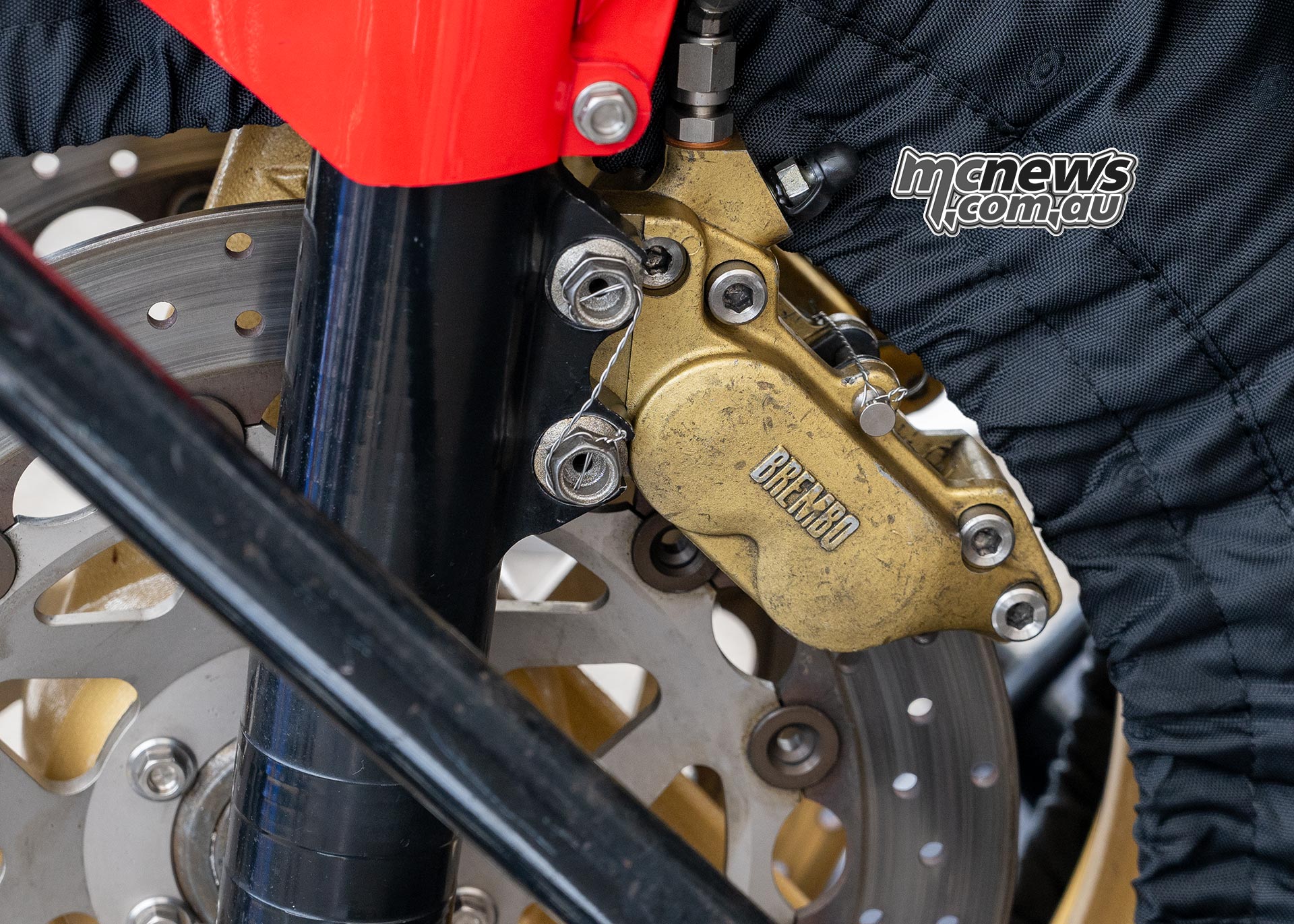
- Brembo braking package deal
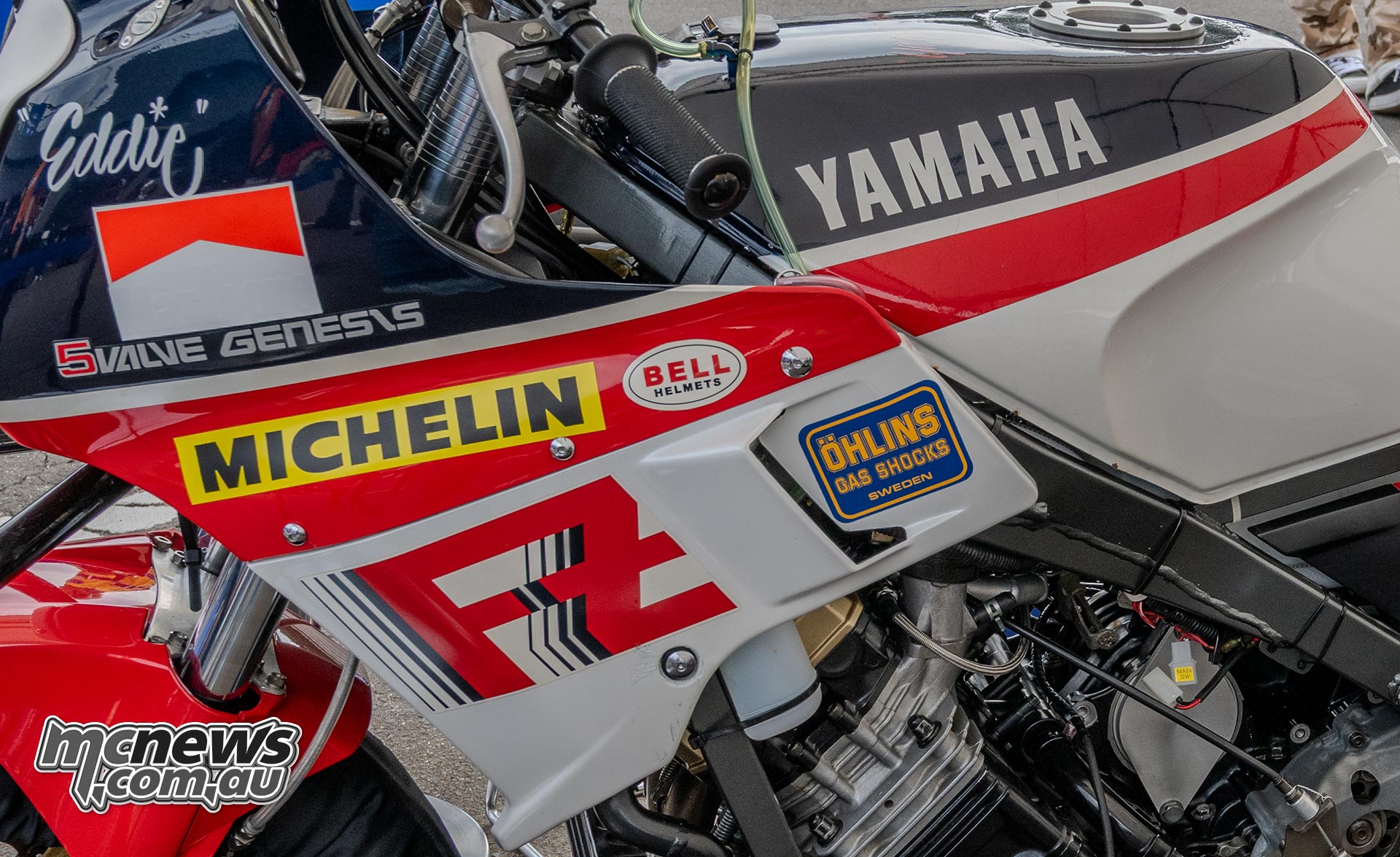
The stance was decrease, leaner, and much more aggressive than the manufacturing FZ750. It was constructed for one objective: stability and endurance at sustained excessive velocity.
The Racer’s Touches
Mechanics, supervised by Lawson’s Crew Chief Kel Carruthers, added the requisite racer-focussed particulars.
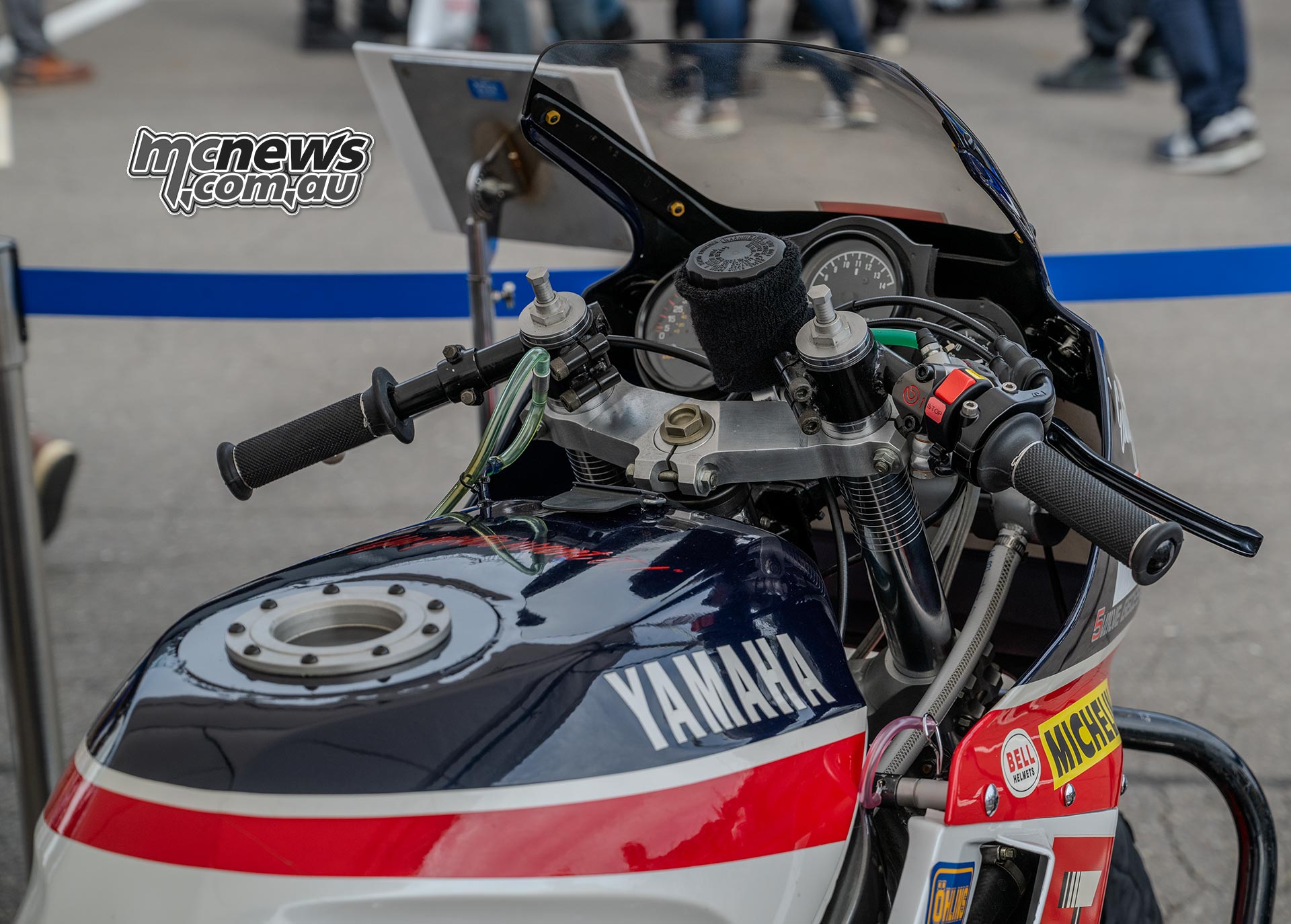
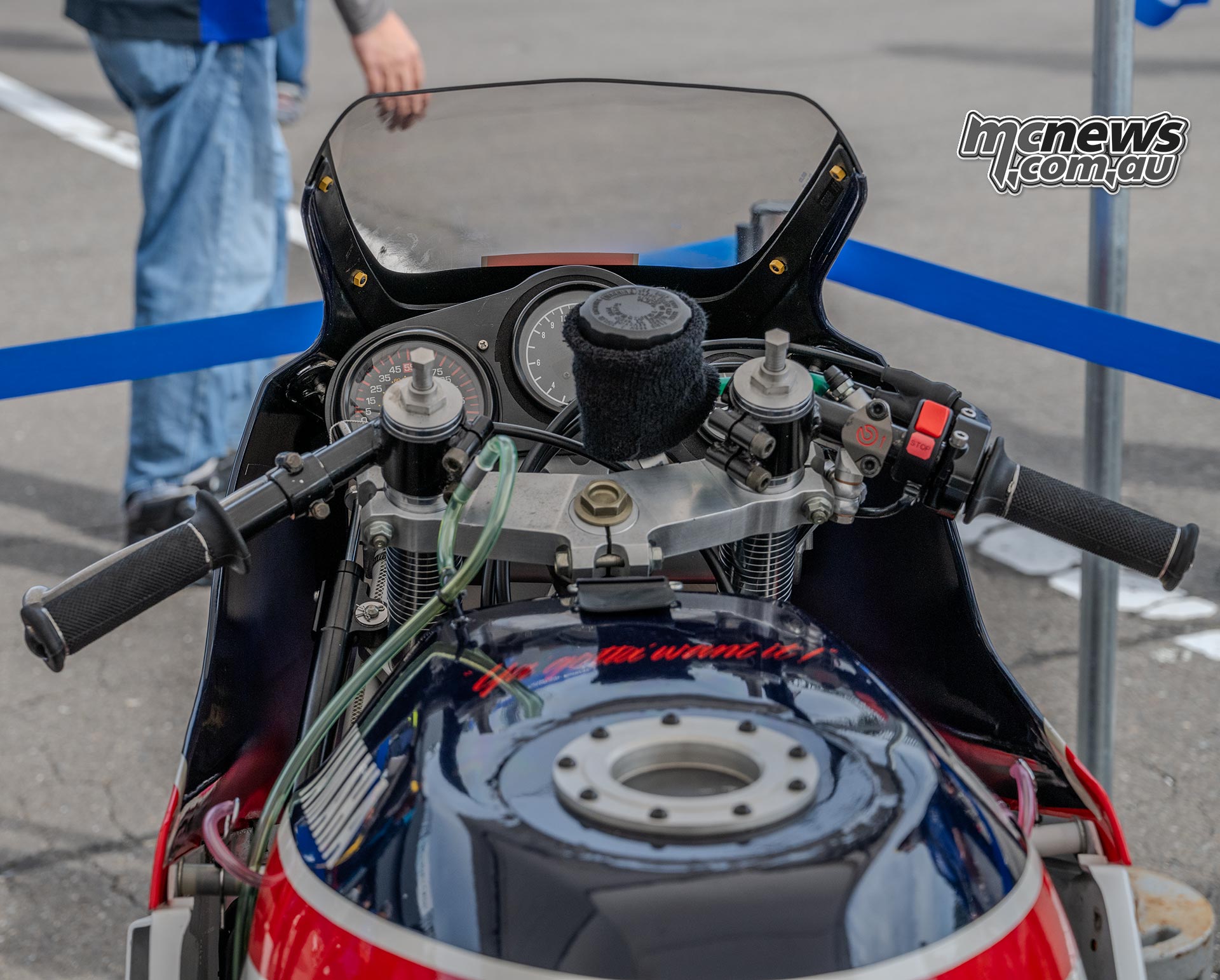
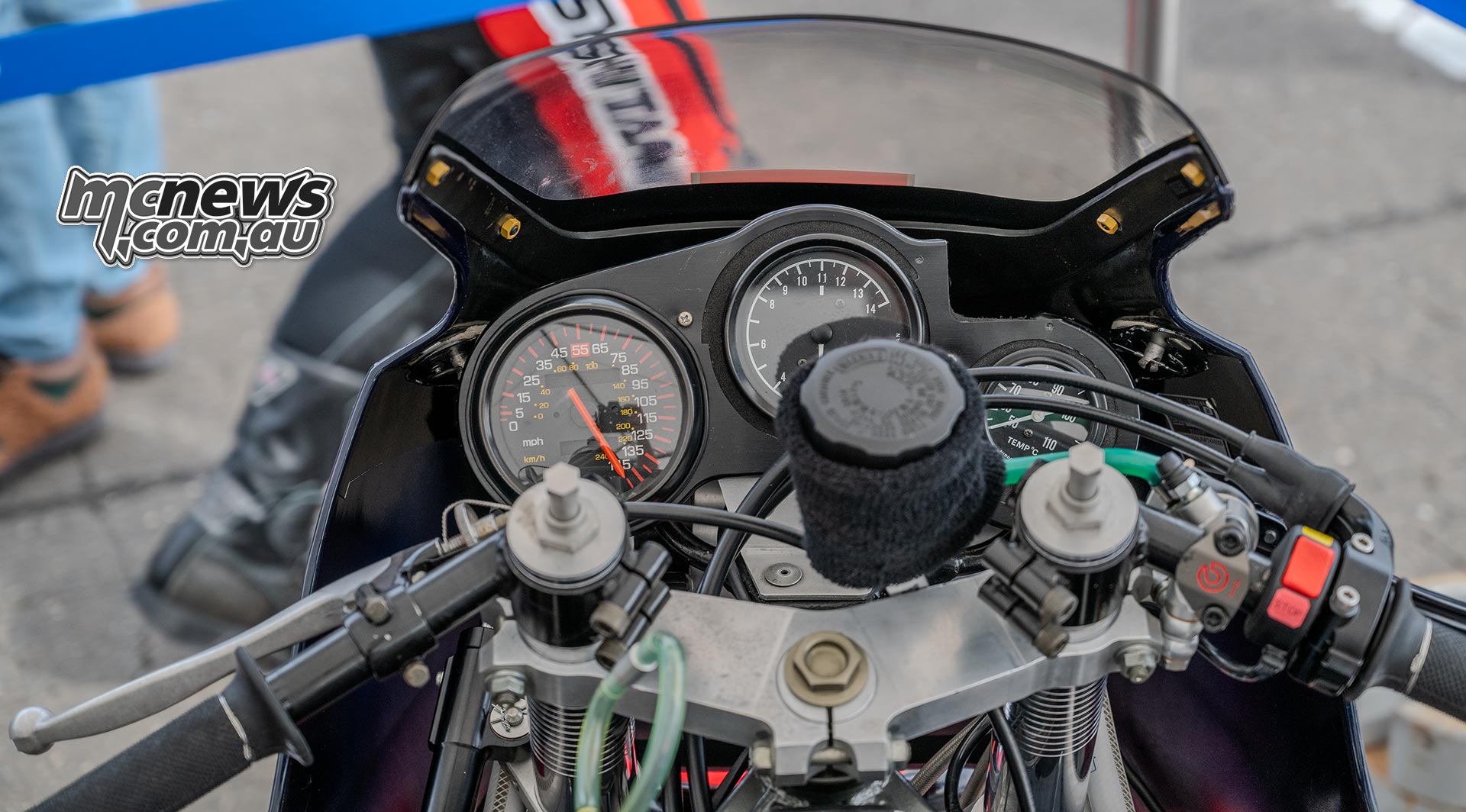
- Excessive clip-ons for Daytona’s lengthy full-throttle stints
- Deep windscreen
- Light-weight loom and minimal cockpit
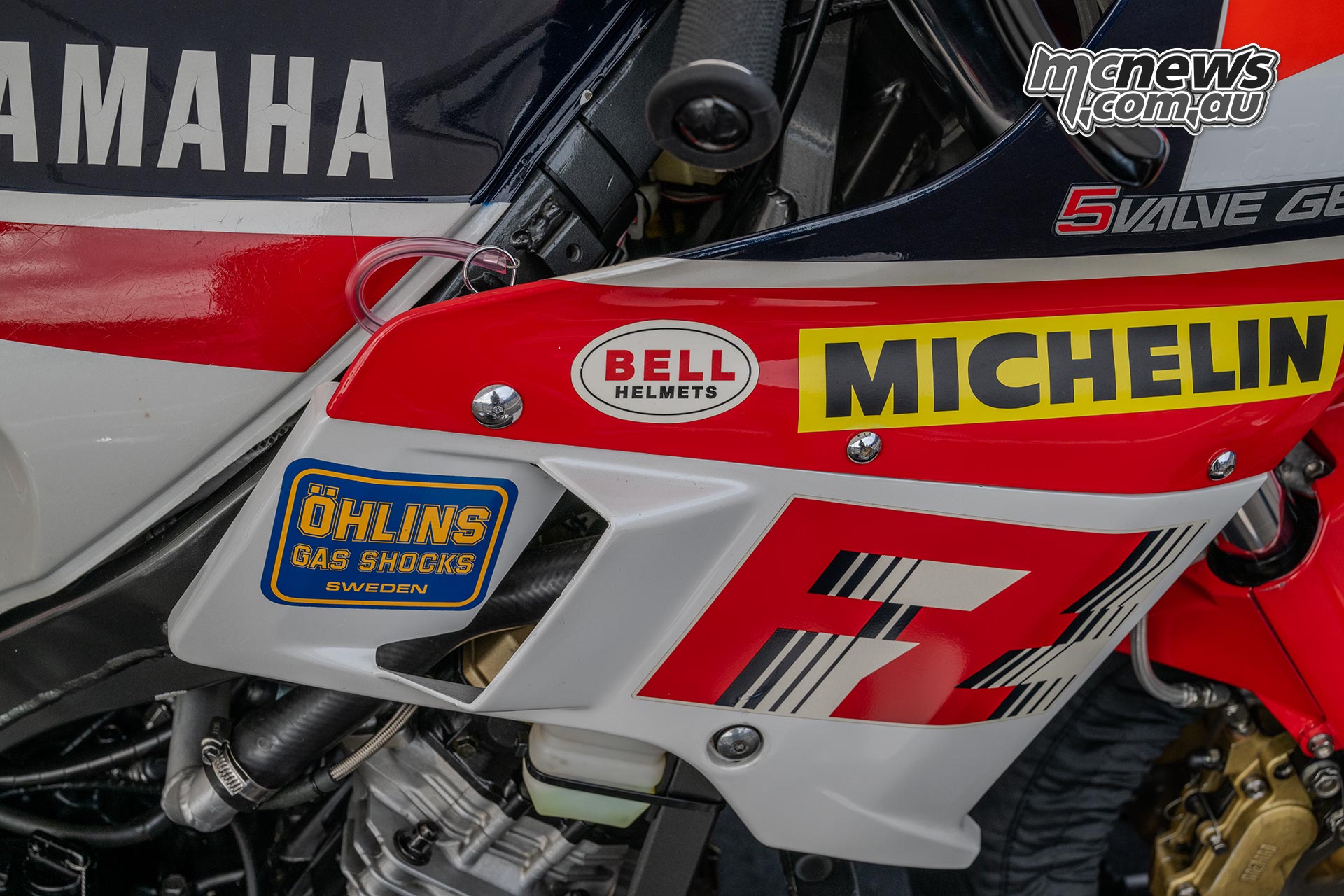
- Michelin slicks explicitly developed for the banking
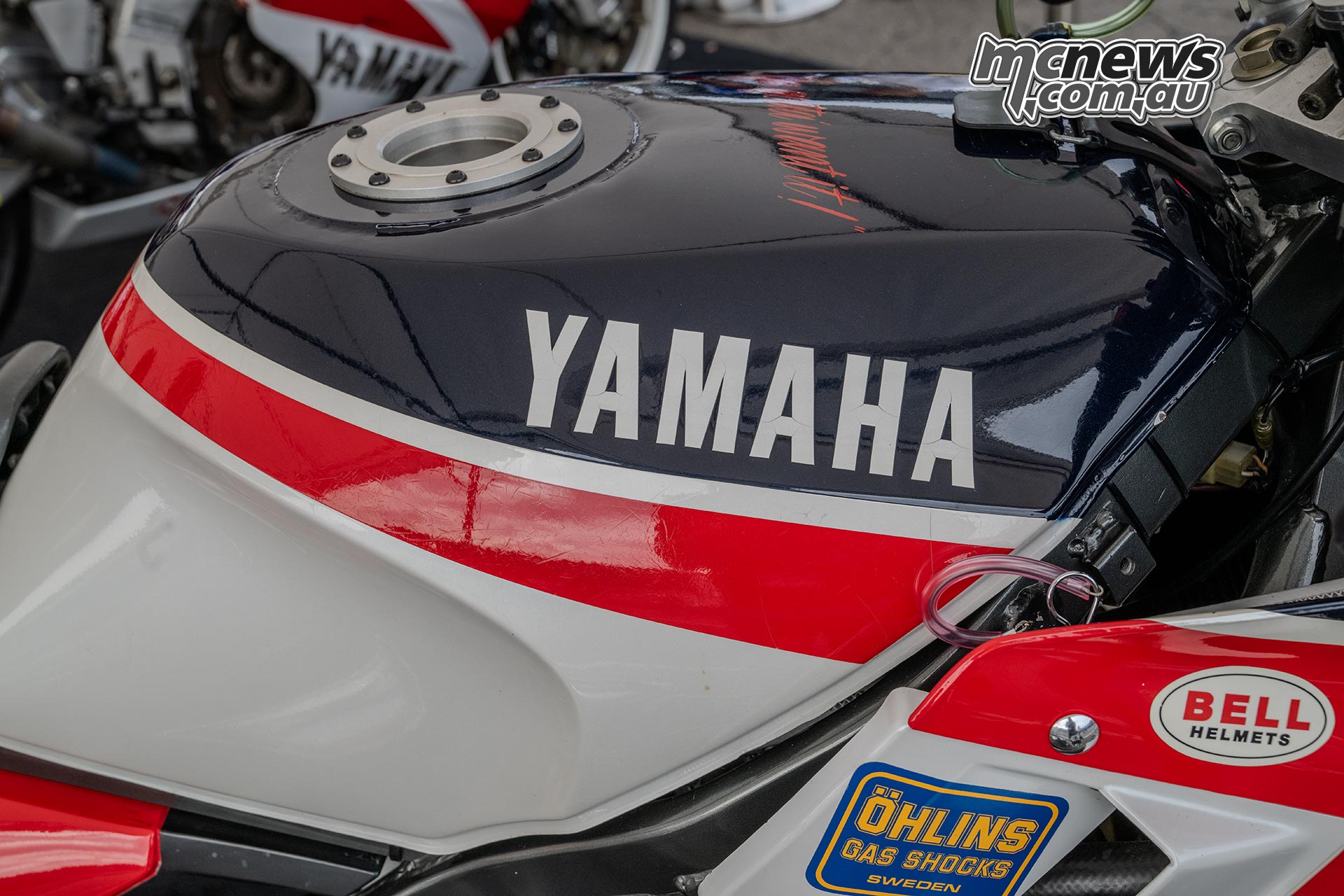
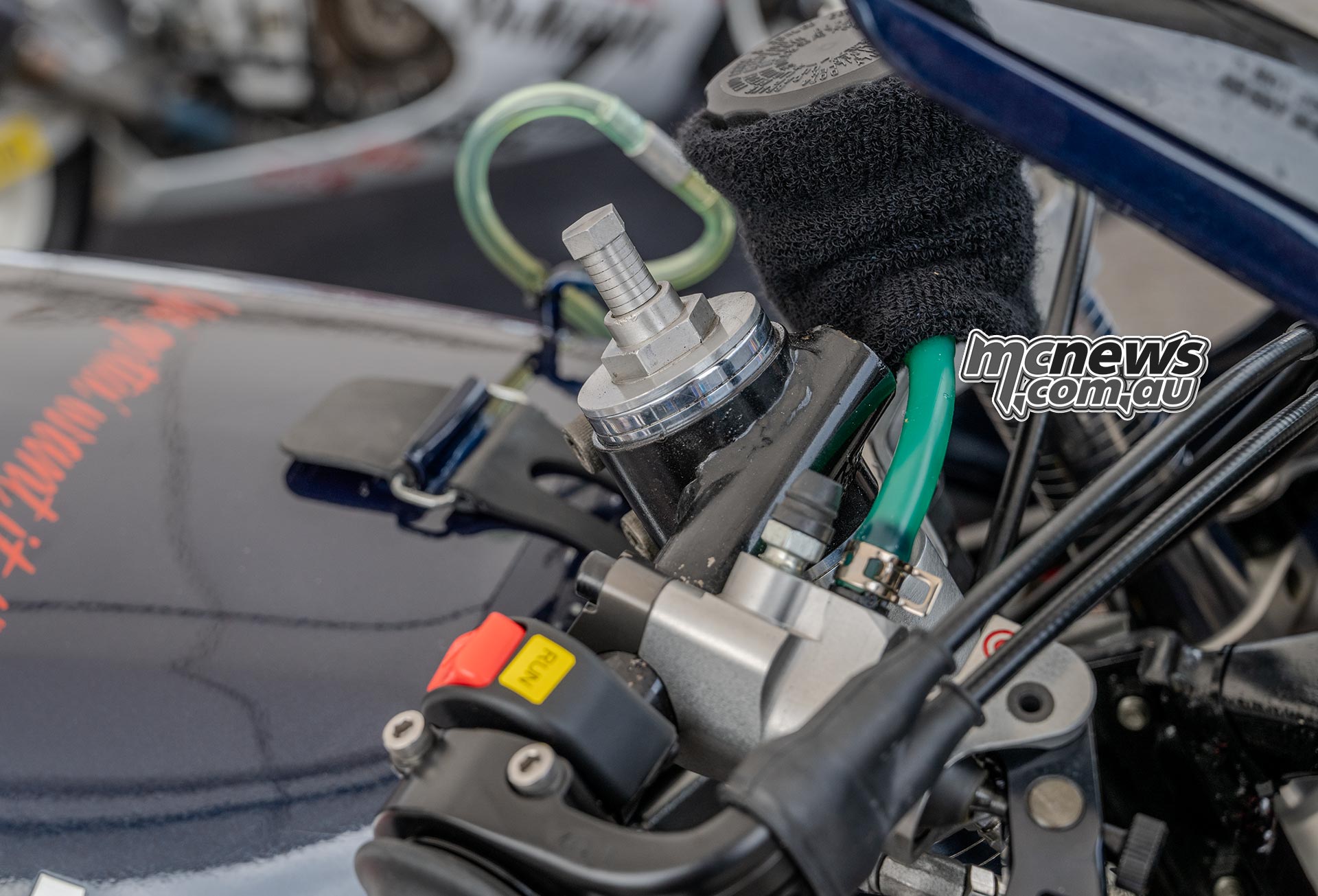
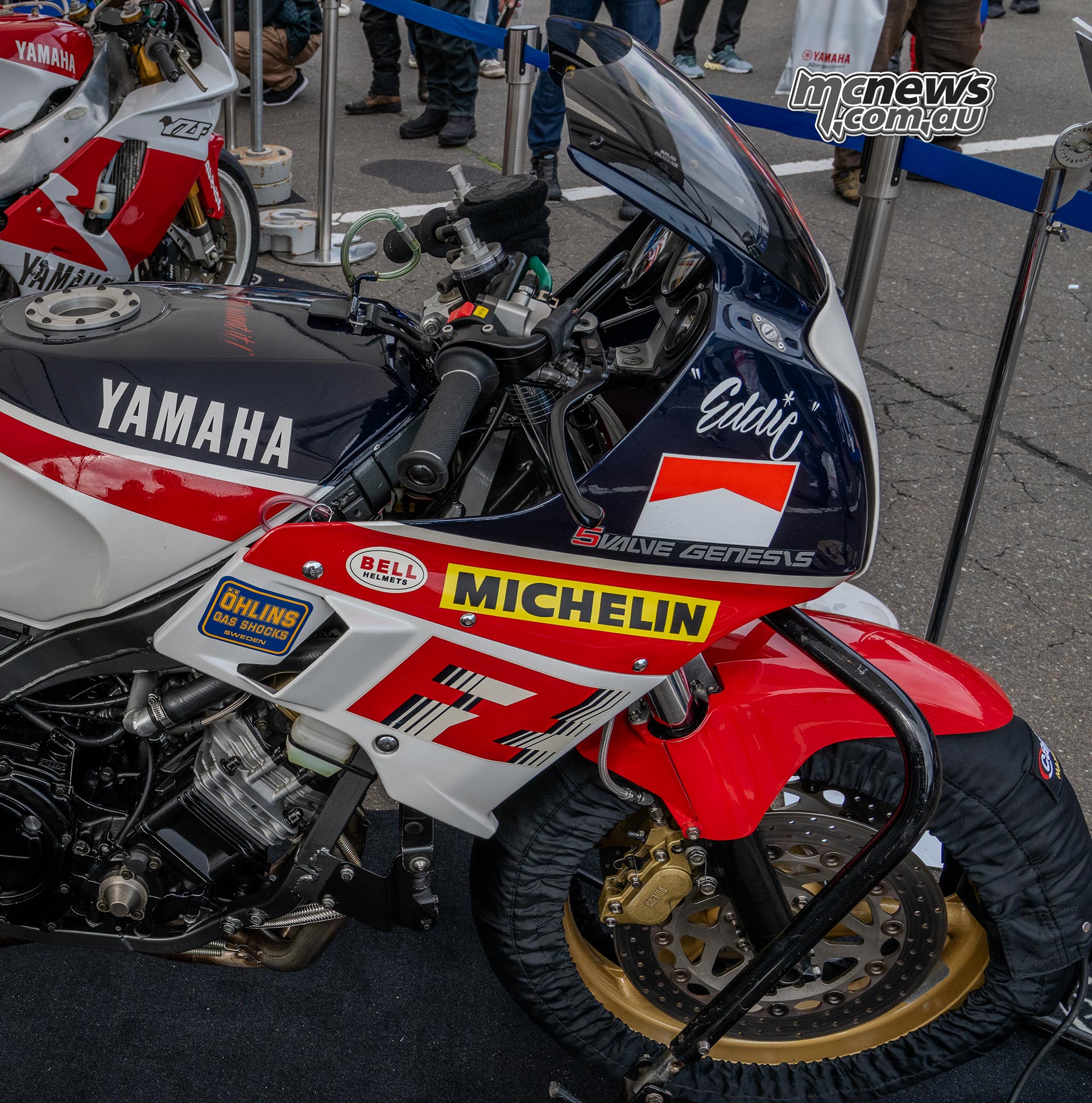
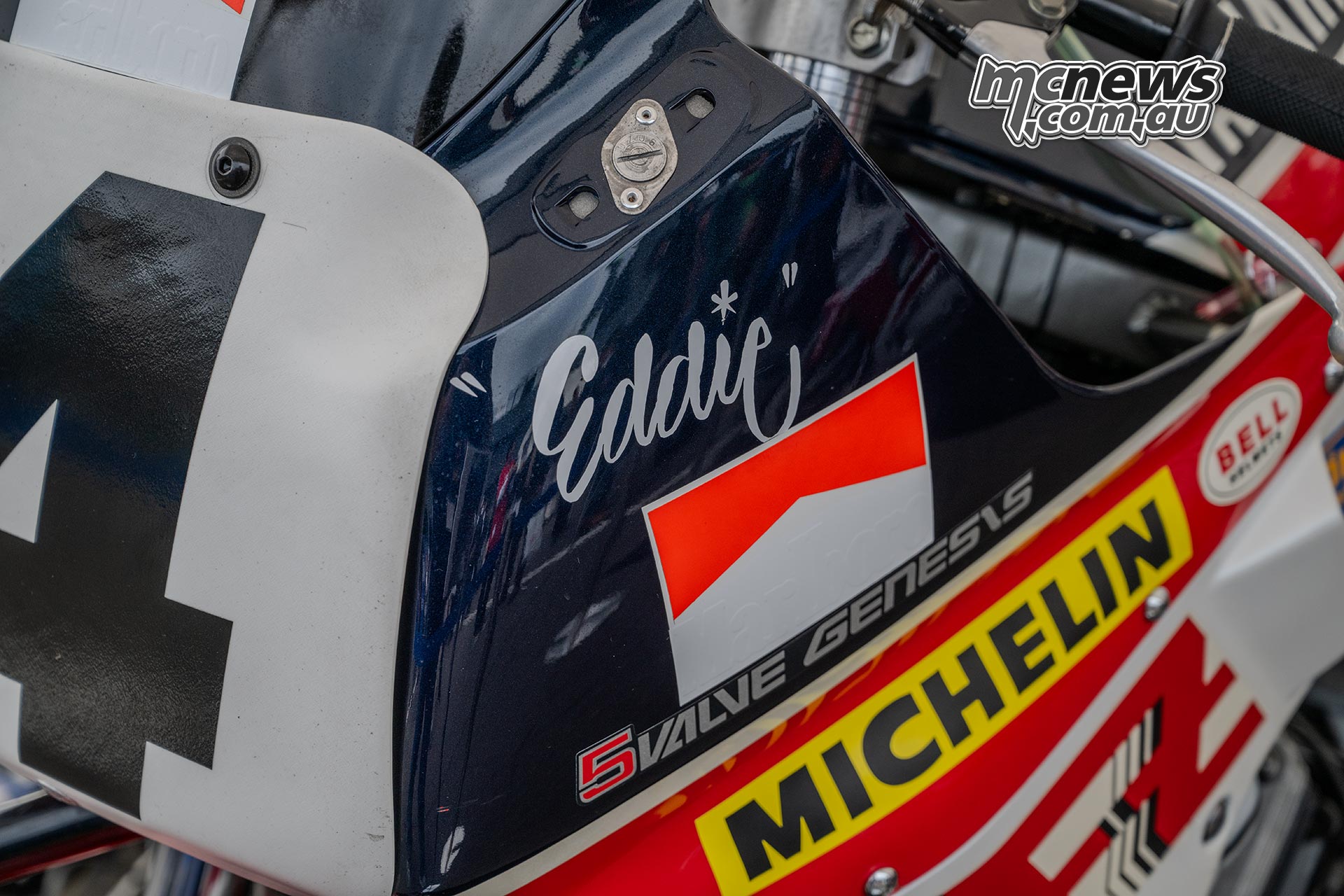
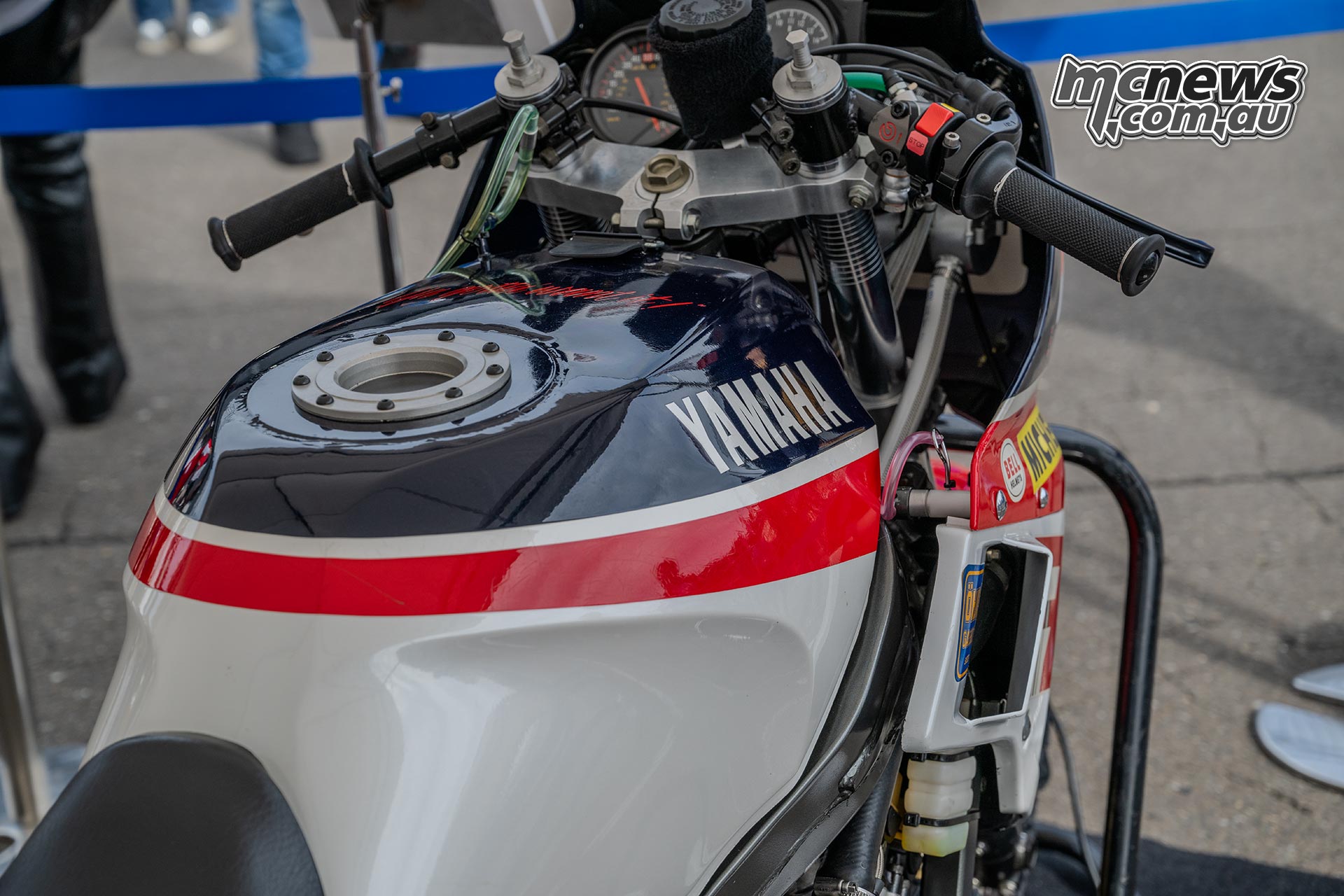
- The handwritten mantra — “Ya’ gotta need it!” on the tank
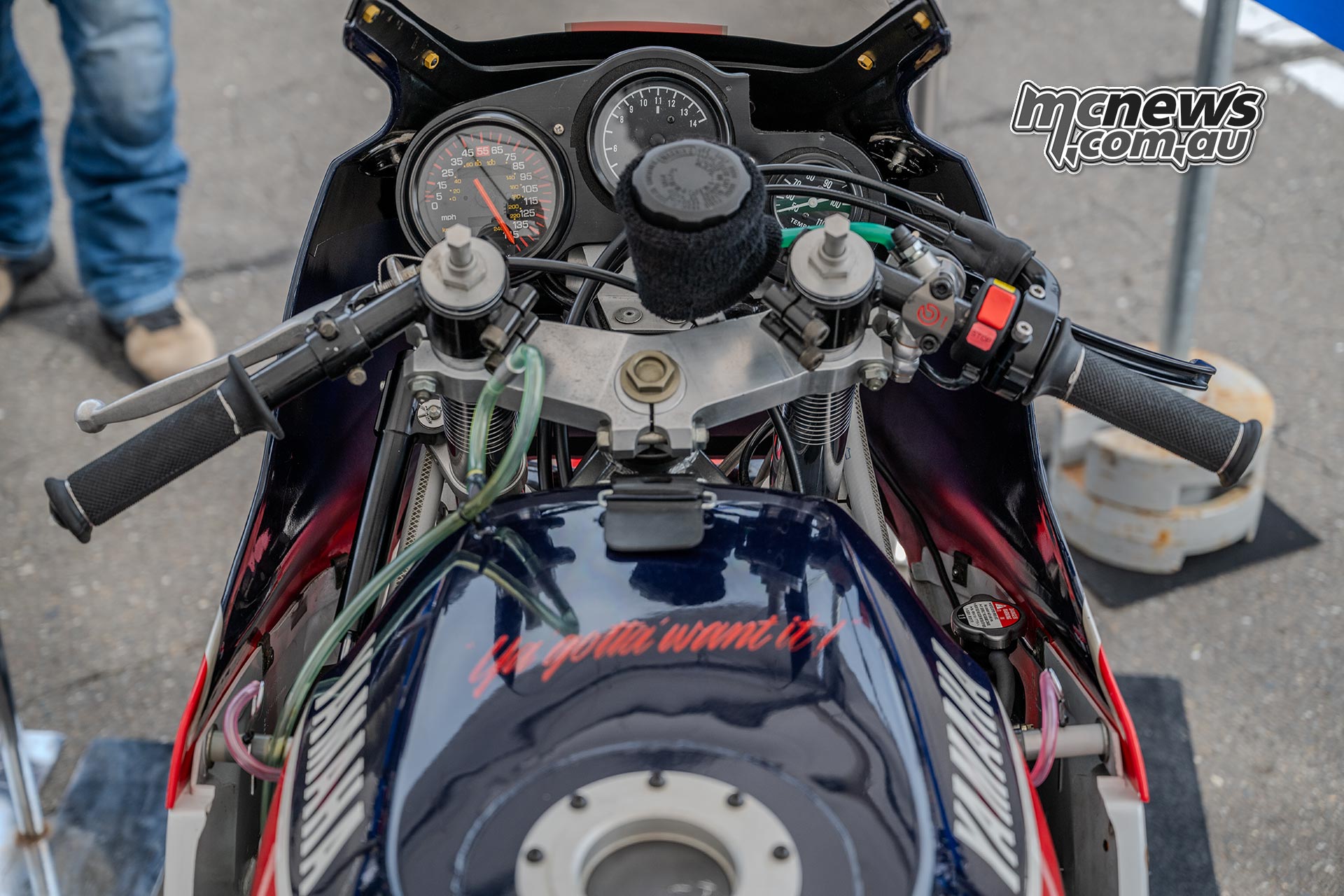
It wasn’t glamorous. It wasn’t as polished or stunning because the YZR500 OW81 that Eddie rode the identical 12 months to the five hundred cc Grand Prix World Championship. But it surely was considerably of a weapon.
Calling in a World Champion
Eddie Lawson had already gained a 500cc World Championship in 1984 and was central to Yamaha’s GP programme. However he had a powerful historical past at Daytona, successful the 200 in 1981, and Yamaha needed a sure-handed rider able to delivering an announcement end result within the new Superbike period.
Lawson was that rider.
The grid he confronted was a who’s-who of the approaching decade: Wayne Rainey, Kevin Schwantz, Mike Baldwin, Fred Merkel, Wes Cooley, and extra. And presently, American racing was producing future legends nearly yearly.
Daytona was the crucible, and Yamaha arrived armed.
Qualifying – Lawson Sends a Message
Lawson instantly put the paddock on discover: the manufacturing facility FZ750 was very quick, and he was able to do the work.
He took pole with a 1m56.228 lap file, demonstrating the machine’s stability on the banking, with it monitoring prefer it was on rails. For a motorbike nonetheless constructed round a metal body, that impressed everybody.
The 1986 Daytona 200 – A Managed Demolition
The Daytona 200 is a warfare of attrition disguised as a dash. Engines prepare dinner, tyres shred, brakes boil, and riders unravel. However the 0U45 had been engineered with exactly this stadium in thoughts.
From the drop of the inexperienced, Lawson and Wayne Rainey lit up the opening laps, punching by means of lapped site visitors in single-digit laps and setting a blistering tempo that shocked even seasoned observers.
Behind the leaders, the sphere suffered Daytona’s ordinary brutality: mechanical failures, vibration-induced electrical points, shredded tyres, chewed sprockets and a number of other crashes within the treacherous braking zone off the banking.
Lawson, in the meantime, by no means put a wheel improper.
By the ultimate stint, the race was his to handle. Easy, regular, and ruthlessly constant, he introduced the 0U45 residence to a decisive victory over Yoshimura Suzuki’s Kevin Schwantz. Crew Honda’s Fred Merkel accomplished the rostrum and went on to win his third straight AMA Superbike Championship that 12 months on the Honda VFR750F.
Wayne Rainey had misplaced an excessive amount of time after chunking a tyre however had proven the velocity of Honda’s new alloy-framed VFR750F after being recorded at 171.42 mph on the banking. 1985 winner Freddie Spencer had pulled out of the occasion with a sinus an infection.
We reached out to the now 67-year-old Eddie to ask him to recall a bit of the expertise for us from his residence in Lake Havasu, Arizona.
Eddie Lawson
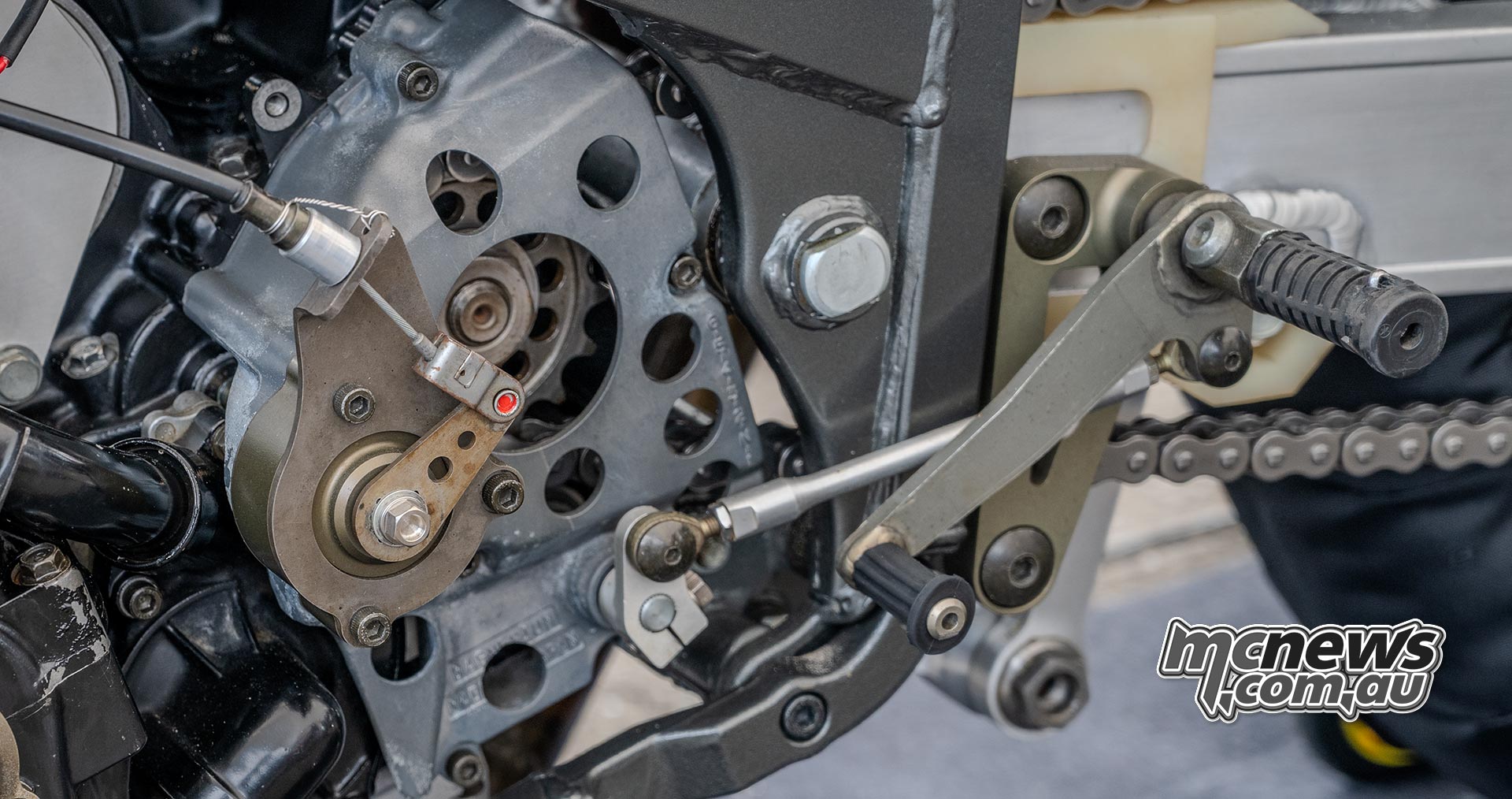
Coming off the Grand Prix bike to the FZ 750 was, in fact, a bit adjustment; nevertheless, Yamaha had ready a rocket for me. In addition they put in a slipper clutch within the bike that was new expertise on the time…and so they informed me to not speak about it. I had a great race with Wayne Rainey on the Honda for a lot of the 200 mile, however my bike simply pulled sturdy on the excessive financial institution. It’s an ideal reminiscence of mine from 40 years in the past this 12 months!”
The Significance
It marked:
- Yamaha’s first Daytona 200 win of the Superbike period
- Yamaha’s first AMA Superbike victory
- A defining second for the Genesis platform
The 0U45 had its vindication.
Aftermath – In direction of the Deltabox Future
The 0U45 had a brief frontline life, however its DNA lived on.
Many classes from the programme fed into the FZR750 and FZR1000 Deltabox machines, which might outline Yamaha’s Superbike id for the subsequent decade. The airflow philosophies, chassis rigidity, engine and body integration, and packaging selections had been all sharpened by the 0U45 challenge.
And the win modified the narrative across the FZ750 street bike. Opinions that adopted continuously related street and monitor:
“Purchase an FZ750, and also you’re shopping for the engine that simply gained Daytona.”
It was advertising gold, nevertheless it was additionally largely correct.
The 0U45 At the moment
A Museum Piece That Nonetheless Appears to be like Quick
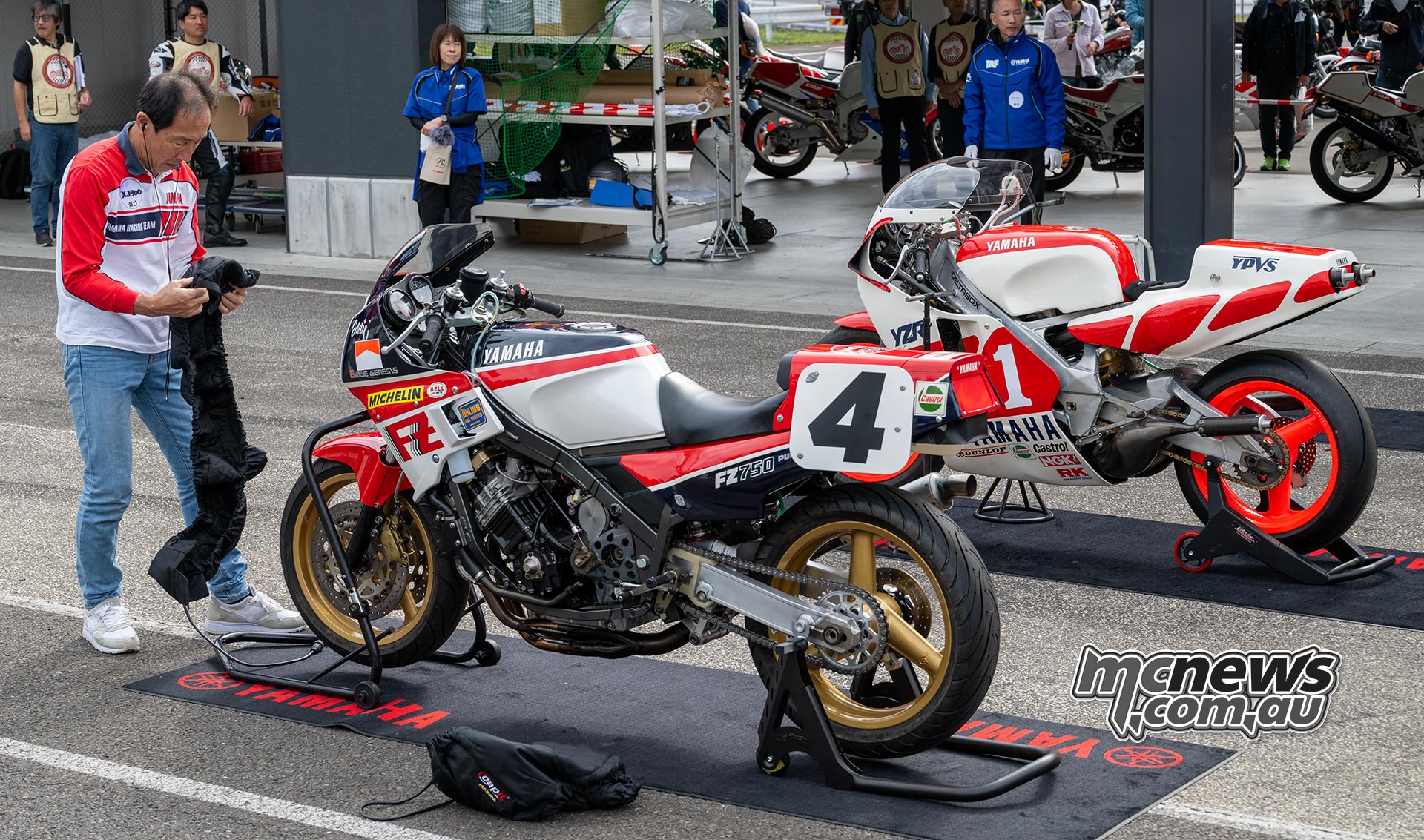
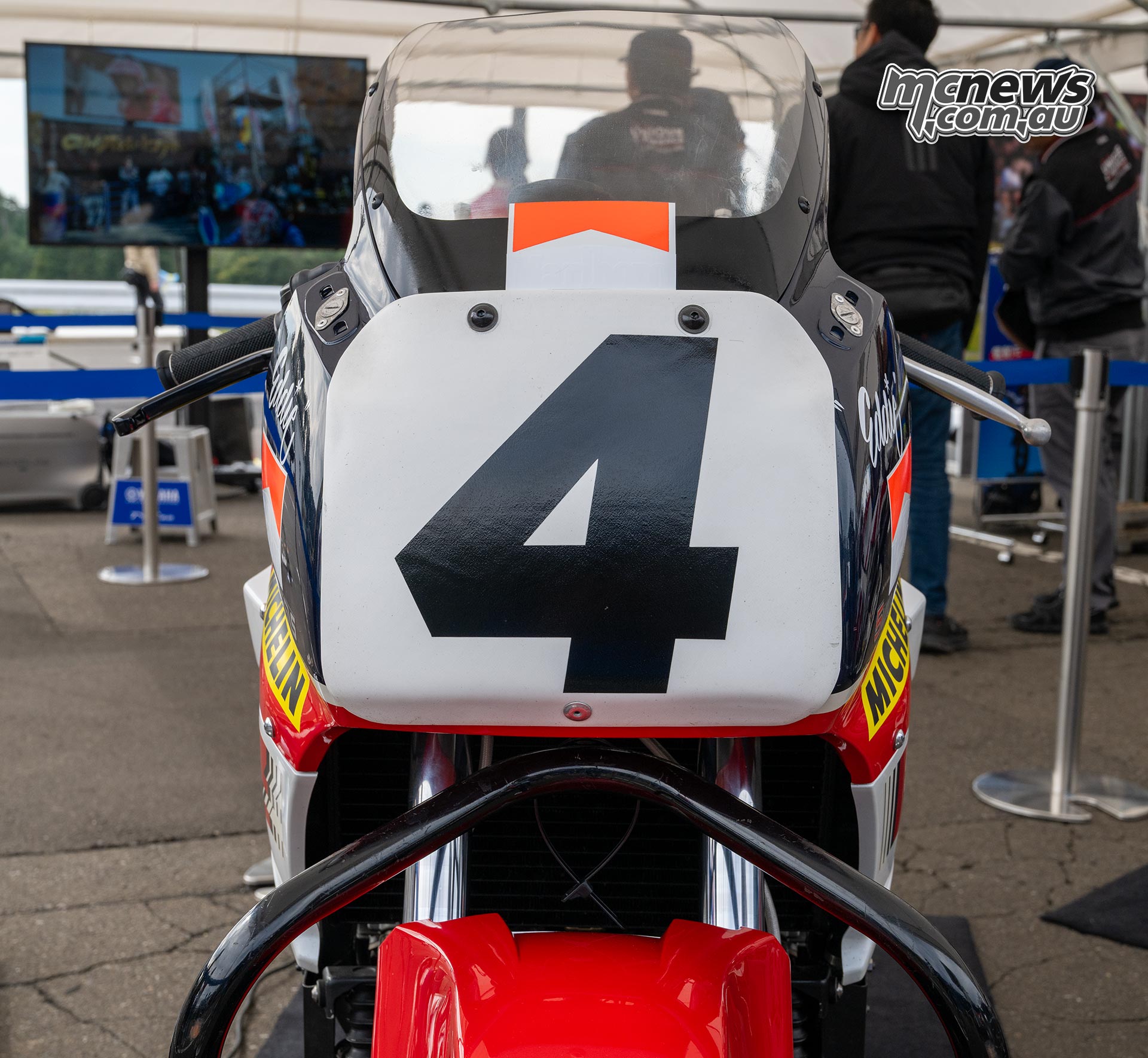
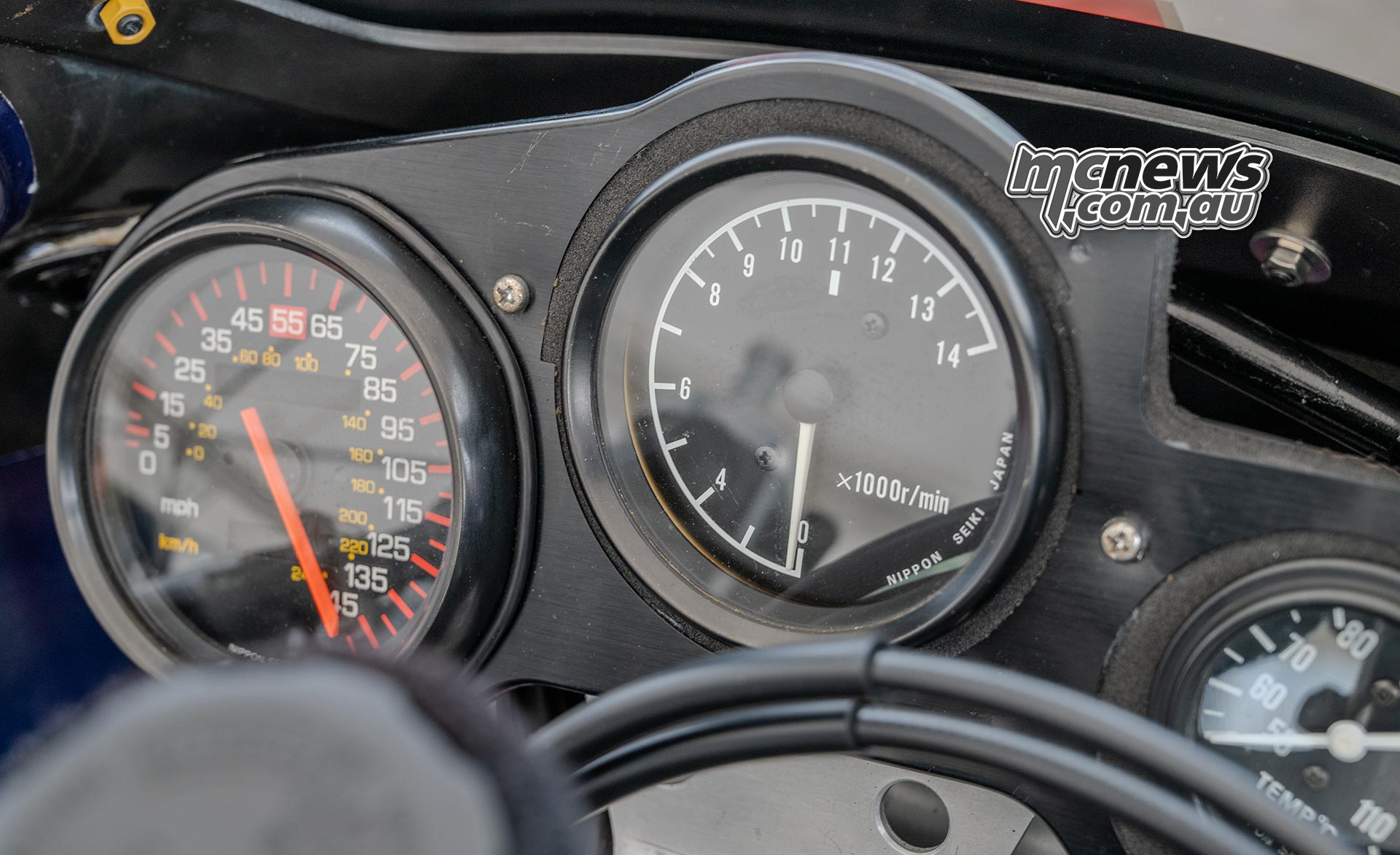
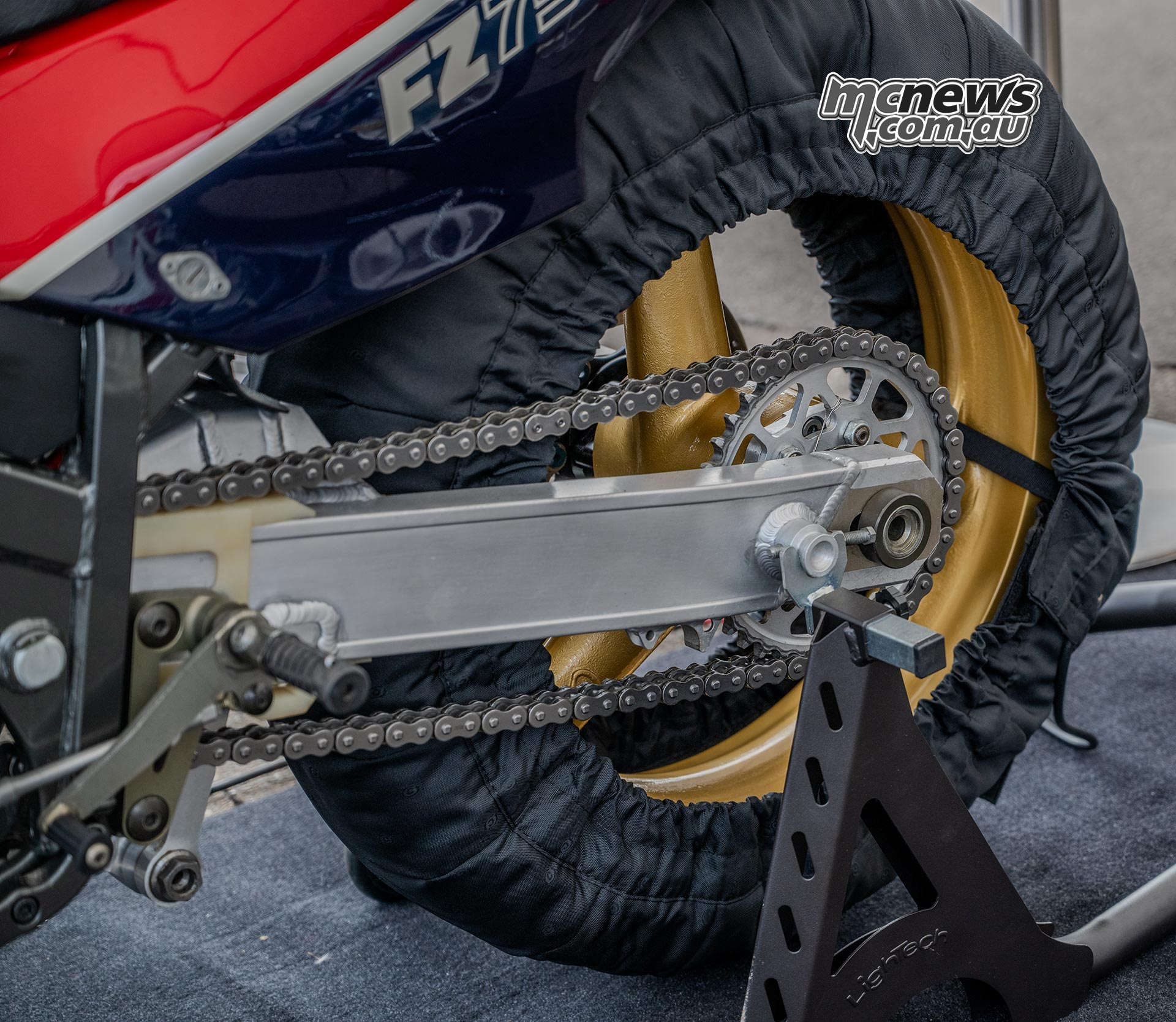
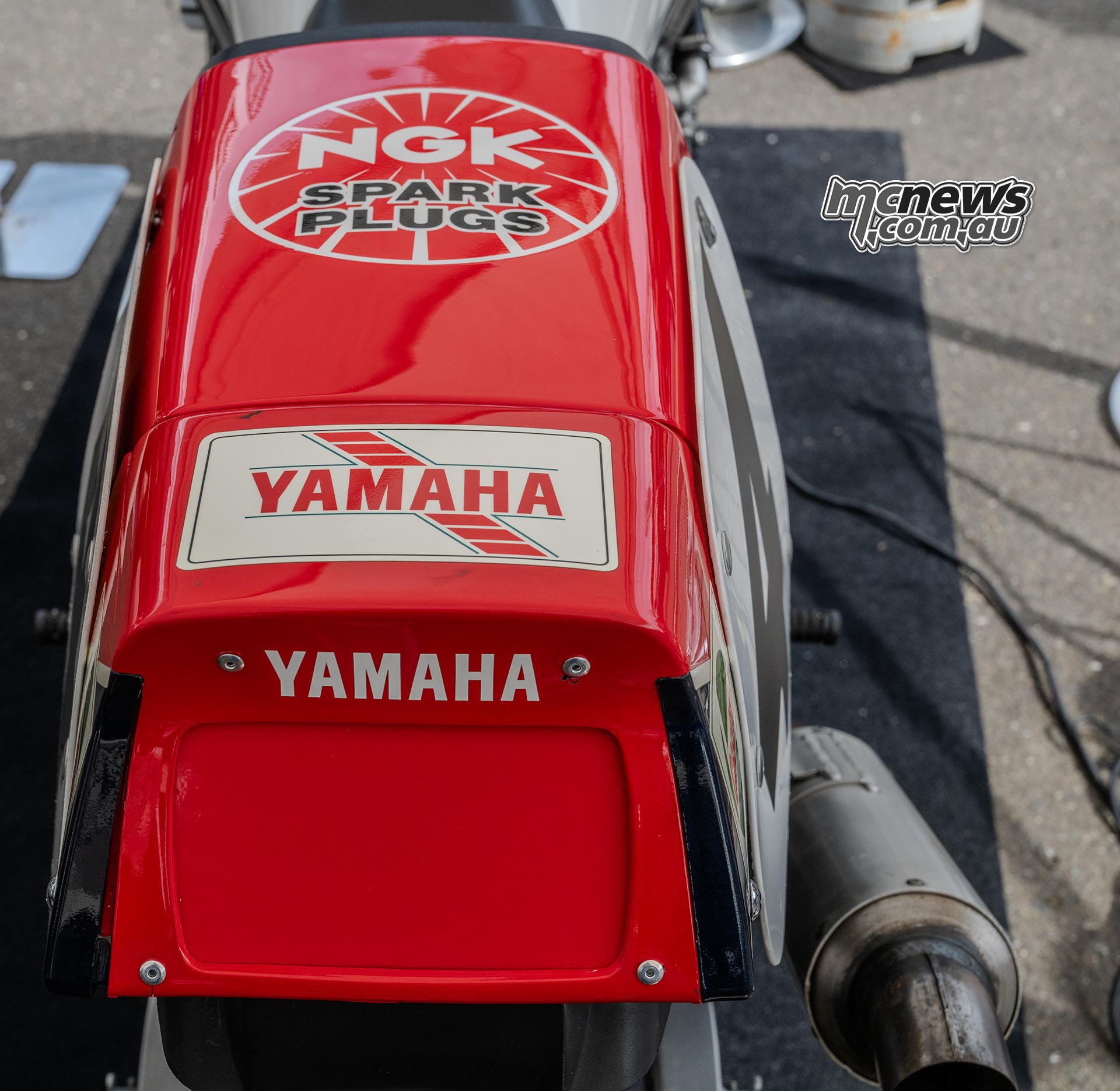
Lawson’s precise Daytona-winning 0U45 now sits in Yamaha’s Communication Plaza museum in Iwata, however was delivered to play on the current My Yamaha Motorbike Day at Sugo, the place we took the photographs you see on this web page.
Restored and preserved, it’s probably the most unassuming manufacturing facility Superbikes you’ll ever see, no carbon fibre, no aero methods, no alloy beam body.
Simply metal tubes, a five-valve 4, and the unmistakable Marlboro pink and white.
Nevertheless, it nonetheless appears able to howl across the banking.
Why the 0U45 Nonetheless Issues
In an period earlier than traction management, knowledge rigs, or CAD-driven chassis improvement, the 0U45 was a turning level. It proved that Yamaha’s radical new engineering route labored.
It’s certainly one of Yamaha’s nice “bridge” machines, linking the analogue Superbikes of the early ’80s with the rising Deltabox revolution to come back.
And in Eddie Lawson’s arms at Daytona in 1986, it turned unforgettable.


Trending Merchandise