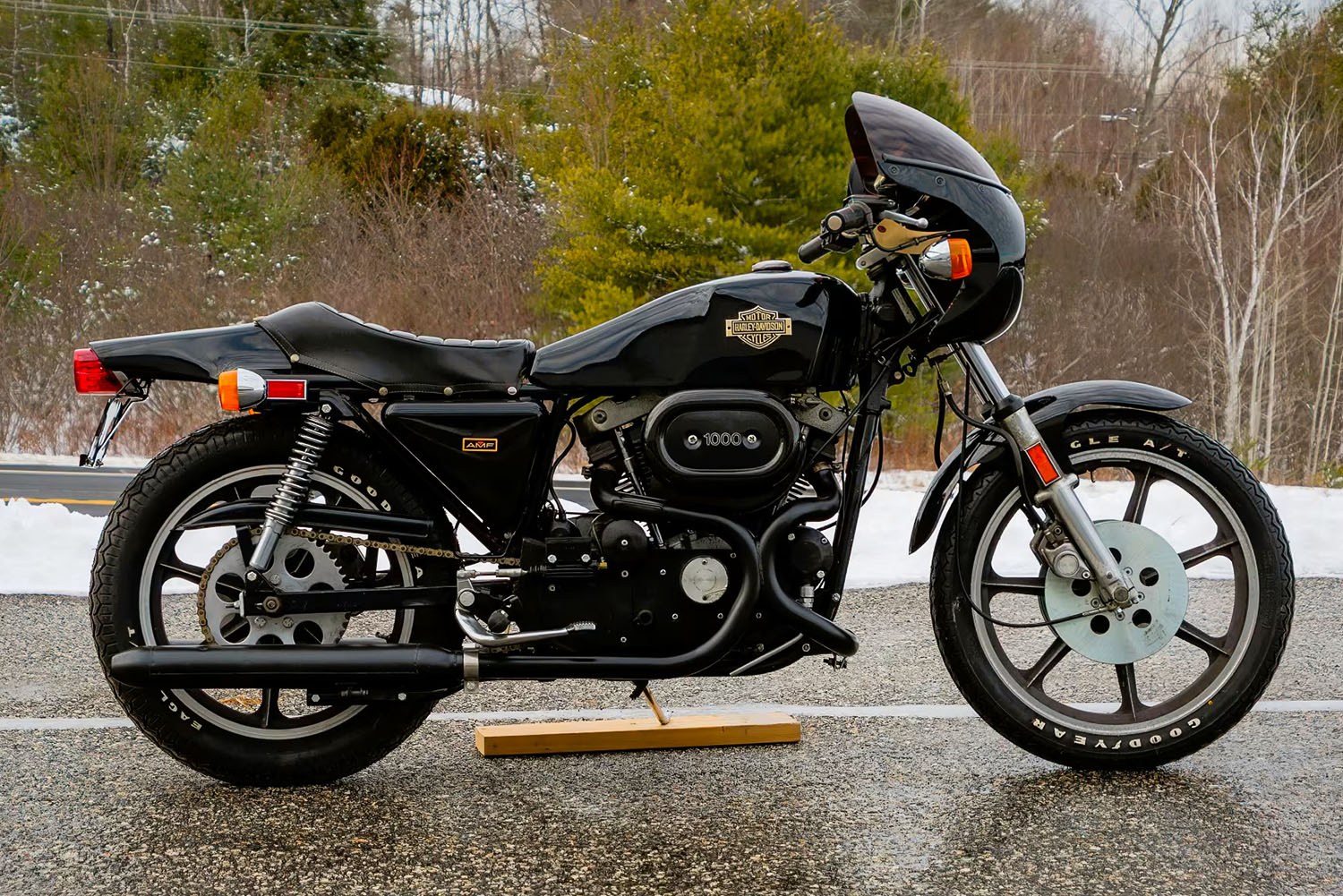
The 1977 Harley-Davidson XLCR is commonly described as a failure, which is technically appropriate and intellectually lazy. It didn’t promote properly, it confused the seller community and it landed with a thud in a market already dominated by sooner, cheaper, extra technically superior bikes from Japan and Europe. However the XLCR wasn’t a nasty bike a lot as a culturally untimely one. It arrived at a time when Harley was nonetheless down on its luck, earlier than the corporate had the institutional muscle to elucidate what the XLCR was attempting to be, and earlier than it had the viewers to understand a mid-size cruiser with an aggressive picture.
To know the XLCR, you must neglect the mythology that’s been retroactively utilized to it. This was not Harley attempting to construct a Ducati. It wasn’t an XR750 with lights. Maybe the most important mistake was within the identify alone—CR designating café racer— because it wasn’t even a correct café within the British sense. The XLCR was one thing far stranger: a styling-led experiment that tried to reconcile Harley’s torque-first V-twin ethos with the visible grammar of European sport bikes—and to take action inside an organization that had by no means wanted to suppose that means earlier than.
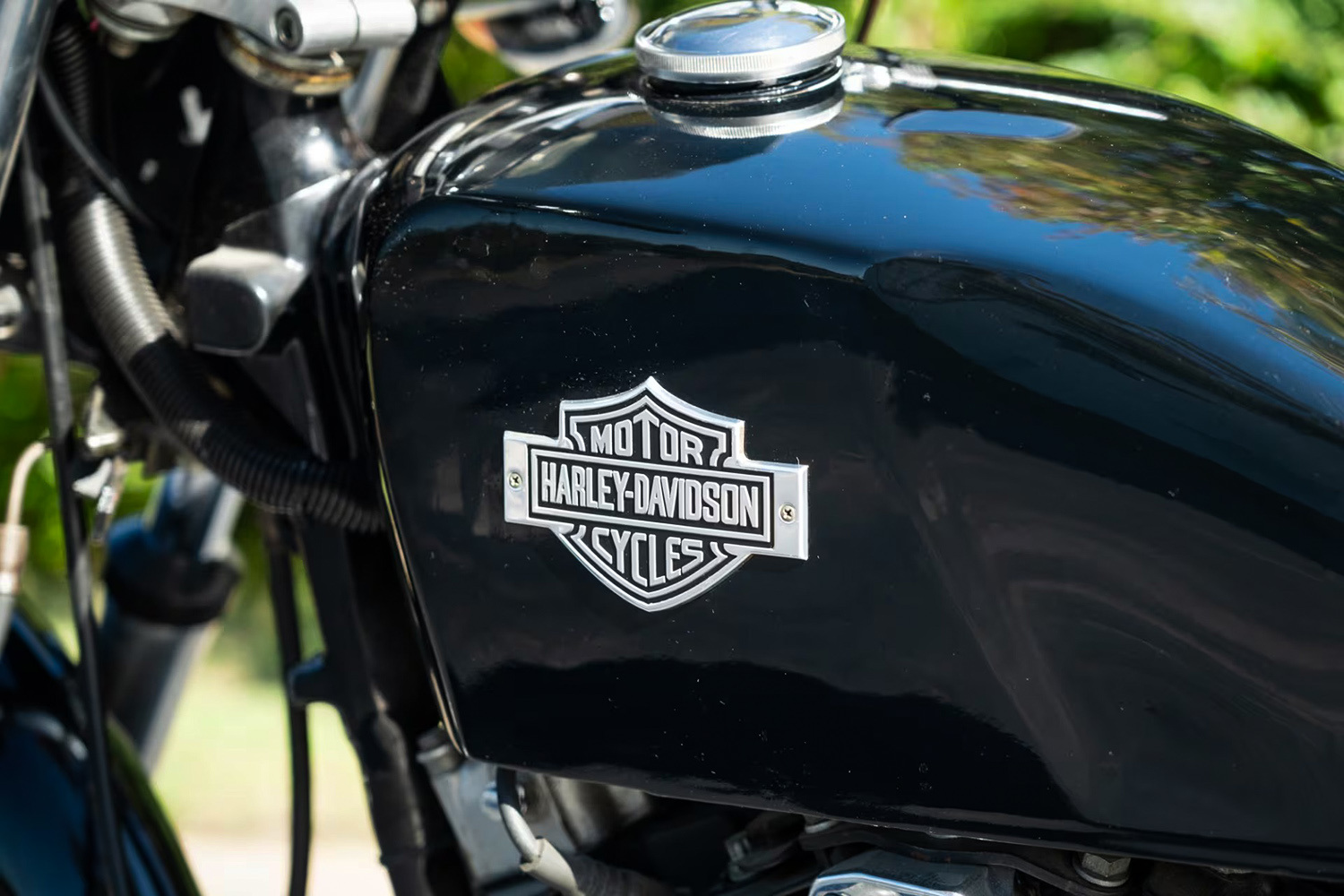
Willie G.’s Black Sheep
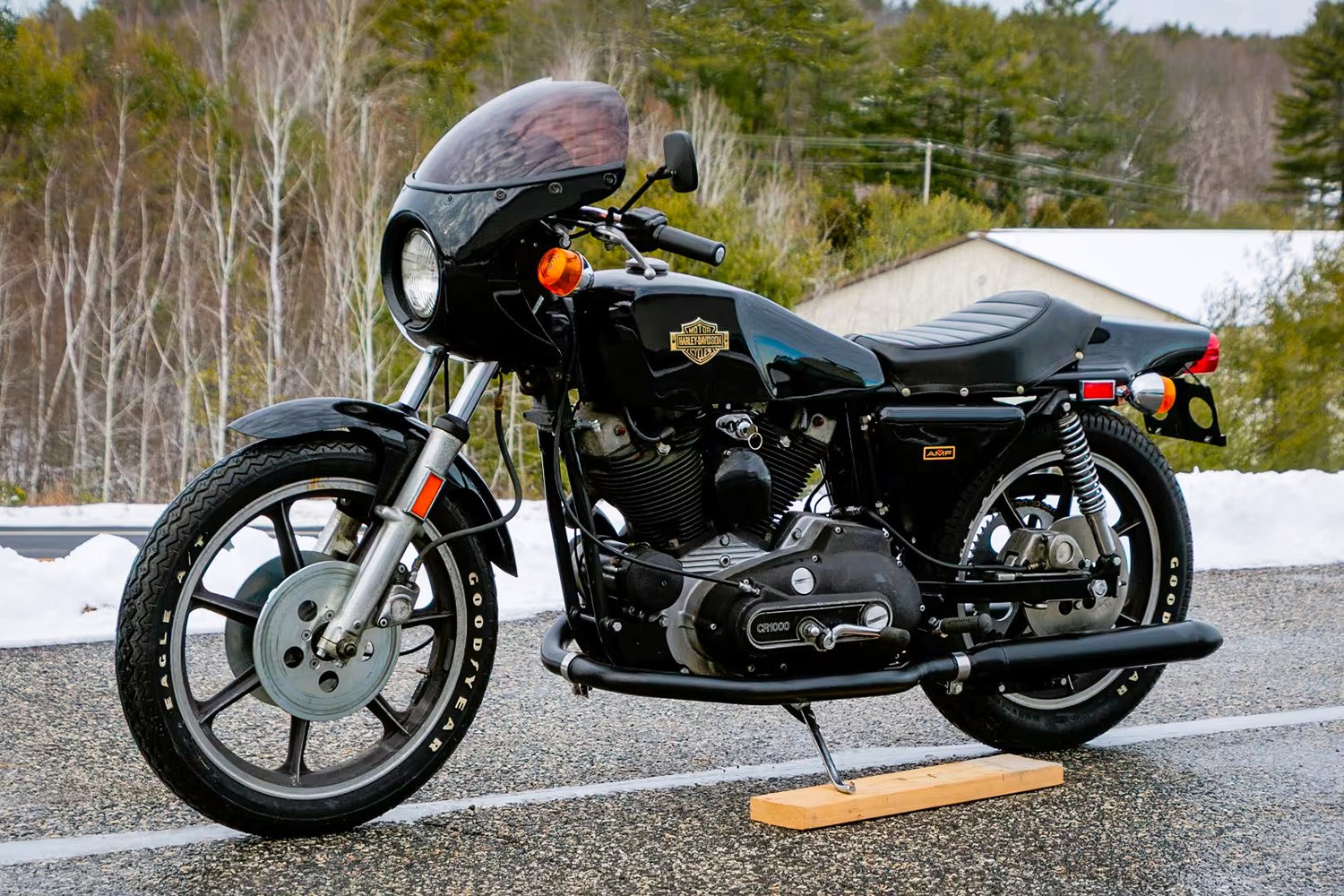
The XLCR was very a lot Willie G. Davidson’s undertaking. Third-generation HD royalty, Willie joined the design division in 1963 and have become the Vice President of Styling in 1969. Willie lived the life, with lots of his personal modified bikes turning into the inspiration for Harley’s dicier fashions. Whereas they weren’t all the time hits in interval, iconic HD designs just like the ’71 FX Tremendous Glide, ’77 FXS Low Rider and the ’77 XLCR have been because of Willie. Designed in collaboration with HD engineer Bob Modero, Jim Haubert Engineering and Dean Wixom, the XLCR could be his most radical styling train but.
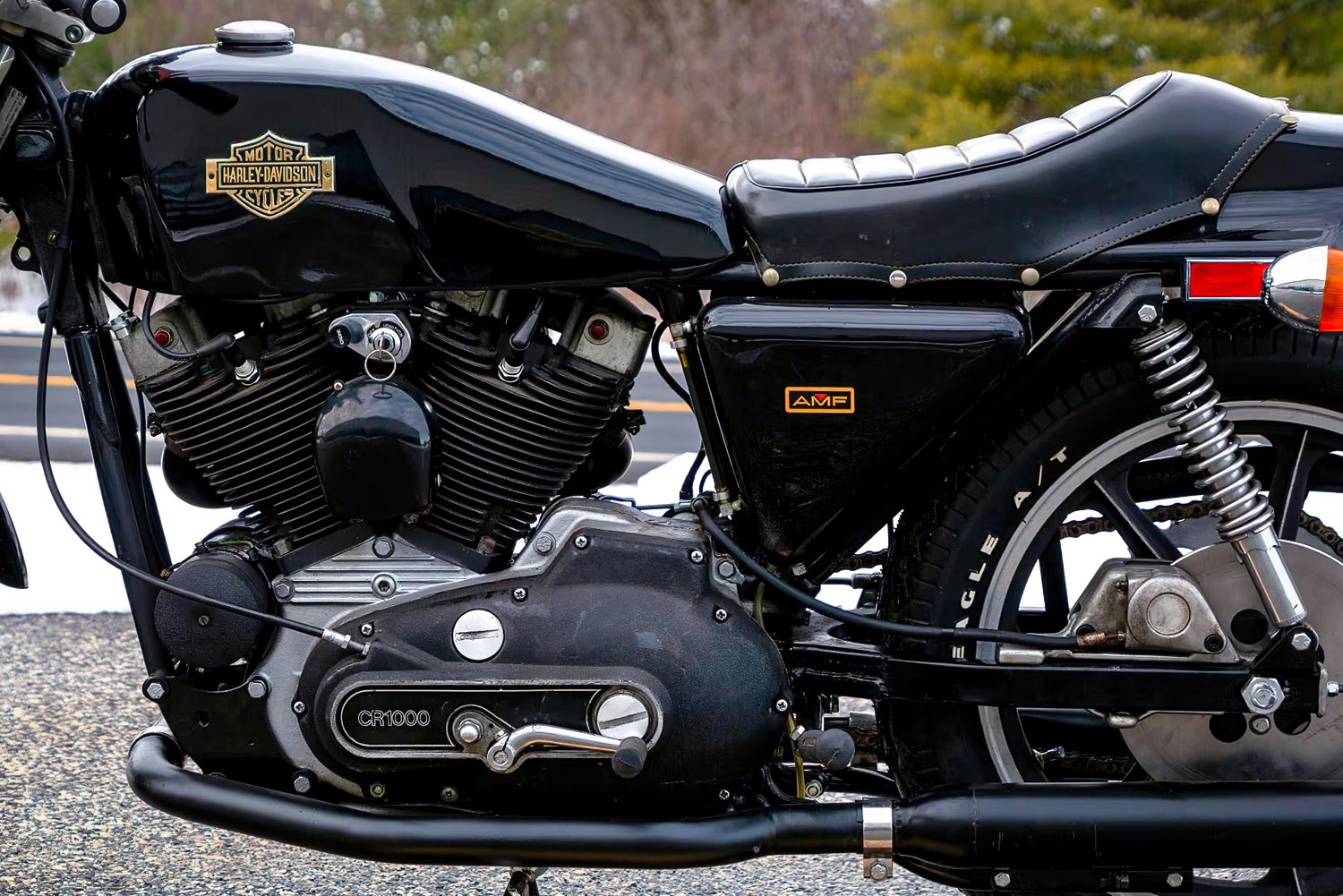
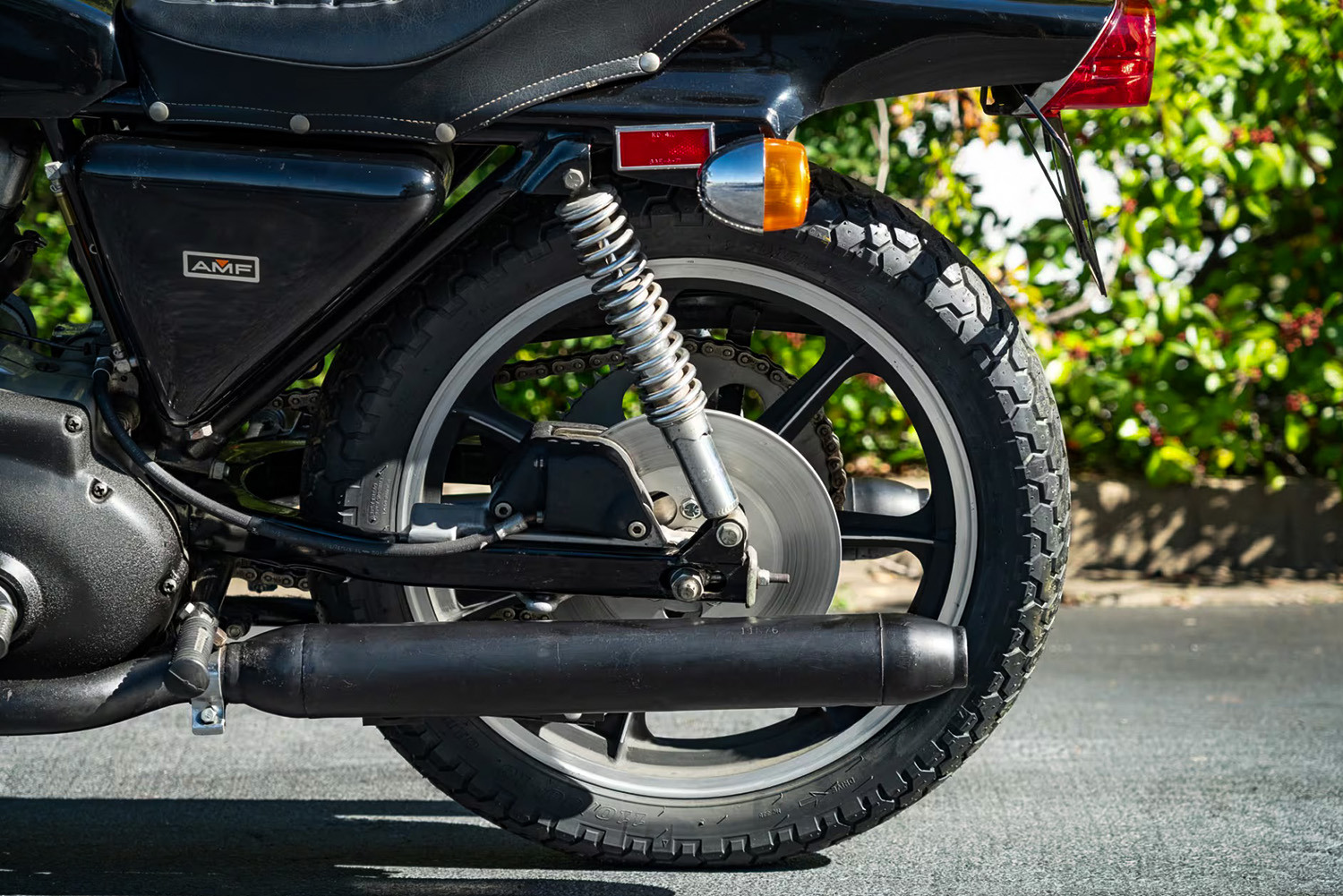
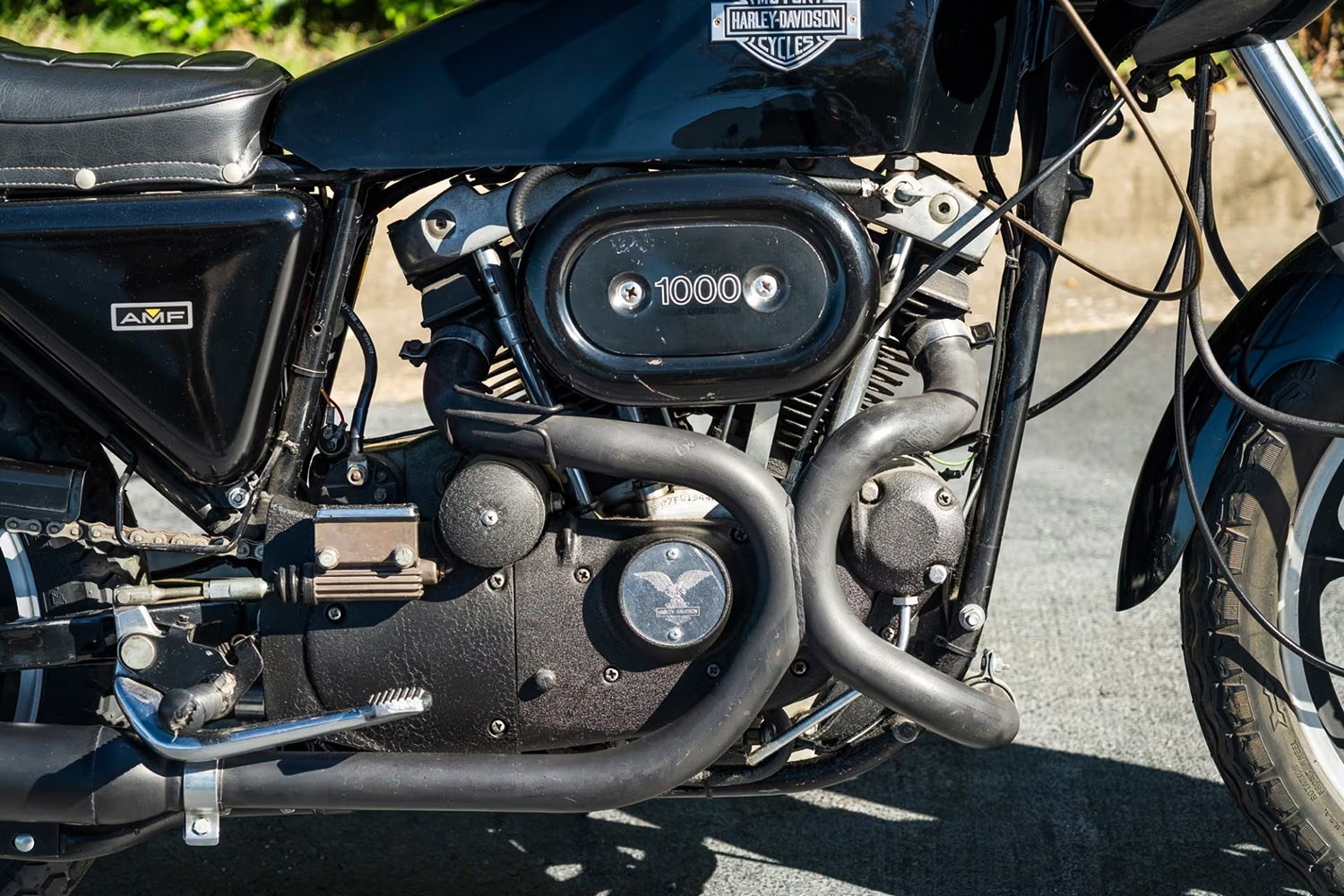
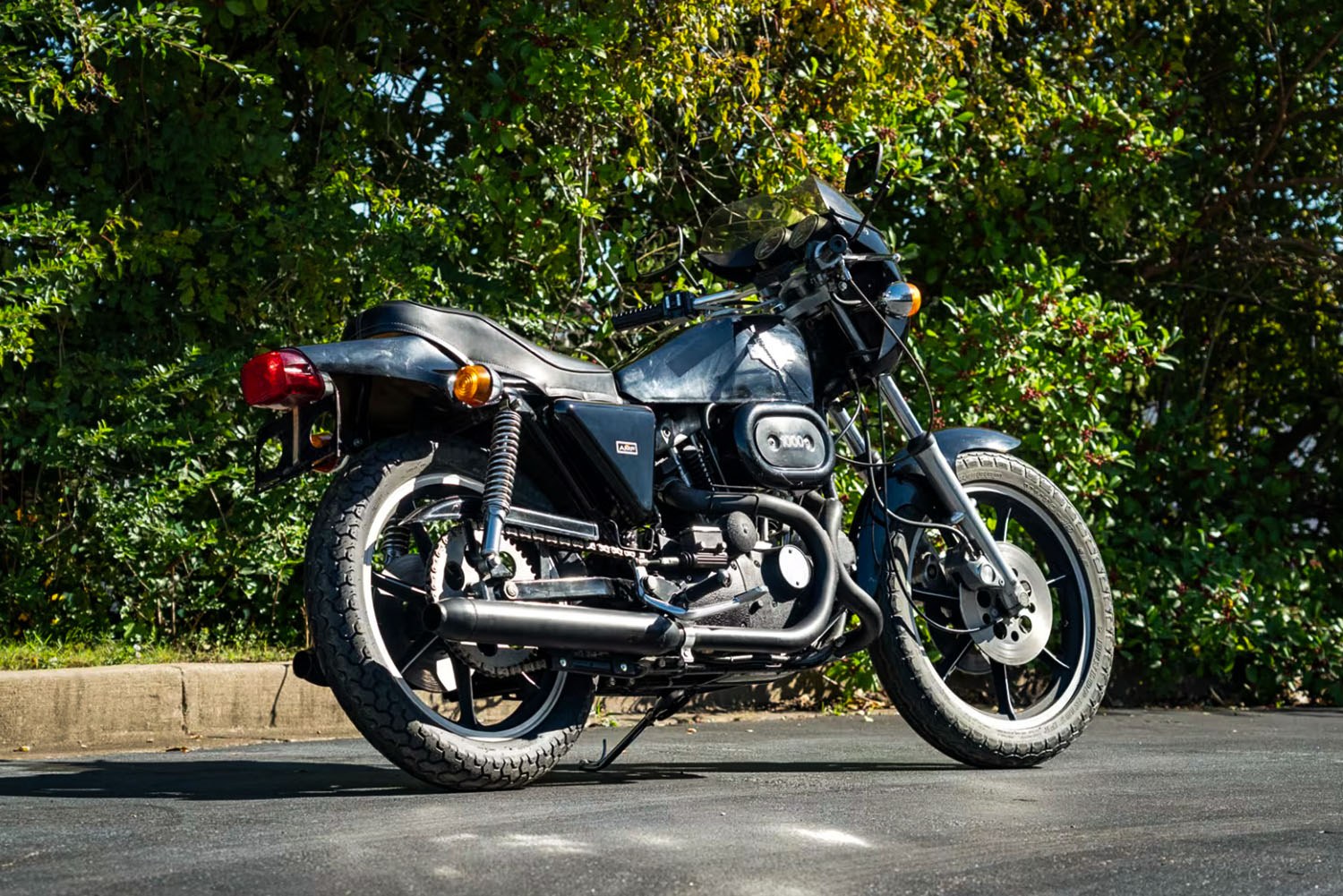
Whereas it’s undoubtedly a Sportster beneath, the bike was greater than a sheep in wolf’s clothes. The chassis made use of the XR’s rectangular swingarm, the wheels have been Morris Mags and the brakes have been twin discs up entrance and a single disc rear. The exhaust was in contrast to something seen on an HD earlier than, consisting of a pair of siamesed headers with full-length pipes on all sides of the bike—completed in matte black.
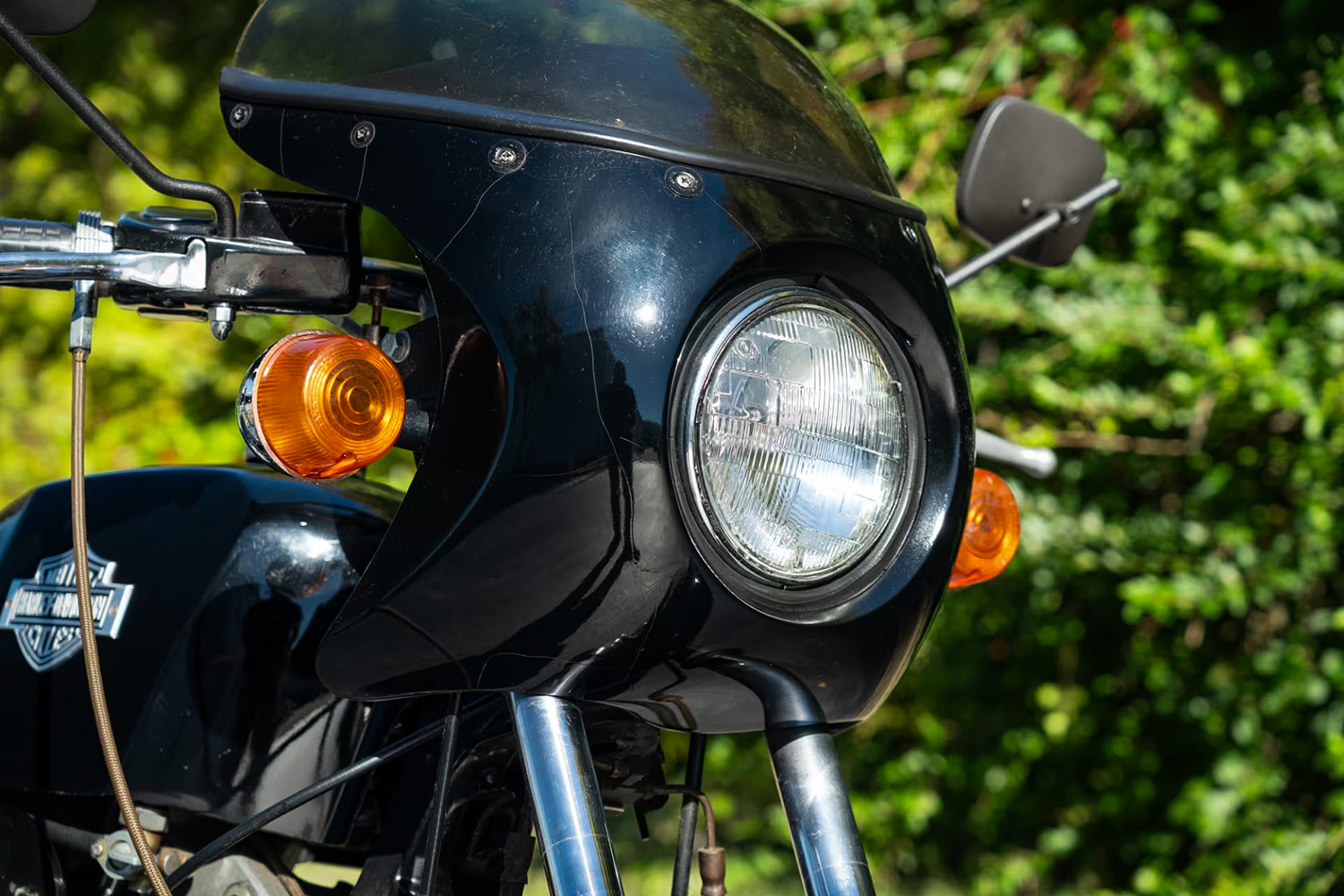
The affect of the XR750 is unmistakable, however not in the best way folks typically declare. The XLCR borrowed the visible authority of the XR—the solo seat, the squared-off tail, the no-nonsense stance—with out inheriting its singular function. This wasn’t a race bike. It wasn’t even pretending to be one. The tank echoed the XR’s picture, however with a sensible 4-gallon capability, and the solo seat was a settee compared to the real-deal flat trackers. It stripped away chrome, leaned arduous into blacked-out finishes and offered a slender, purposeful silhouette that appeared nothing just like the Electra Glides and FX fashions filling Harley showrooms.
The Mechanical Actuality Test
Strip away the aesthetics and the XLCR was, at coronary heart, nonetheless an Ironhead Sportster. The 998 cc V-twin was nominally probably the most highly effective engine Harley supplied on the time, however that’s damning with faint reward. Relying on whose dyno you belief, output was between 60 and 68 horsepower. Torque was wholesome, as anticipated, however the rev ceiling was low and the vibration ever-present.
Whereas barely flawed by nature, the Ironhead would ship rewarding efficiency if handled proper. Mid-range grunt made it wholly pointless to ring the tach above 5,000 rpm, and the engine would return quarter-mile instances within the excessive 12s to low 13s. High-speed stories from the day range between 110 and 120. That’s not too far off the mark for 1977, proper consistent with the CB750, which is admirable contemplating the wildly totally different traits of these two powerplants.
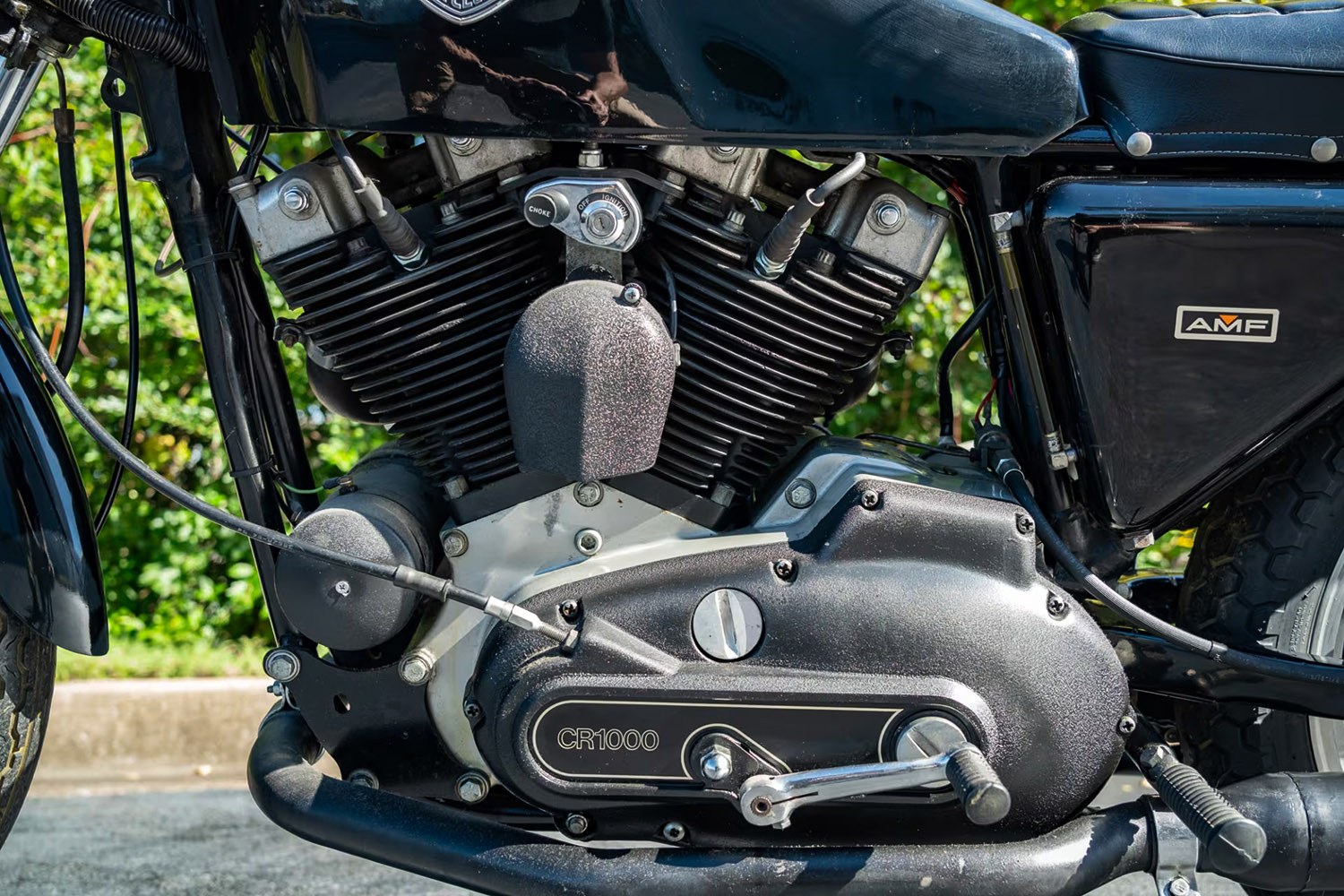
Modern highway exams have been well mannered however unconvinced. Reviewers admired the look, praised the soundness at velocity and famous that Harley’s first critical try at a sport-leaning highway bike wasn’t with out benefit. However the dealing with was heavy, the steering sluggish and the suspension struggled as soon as the tempo picked up. The entrance disc brake was an enchancment over earlier Harley efforts, nevertheless it nonetheless lagged behind the dual-disc setups turning into widespread on Japanese machines.
And that’s the crux of it: the XLCR was by no means dangerous sufficient to dismiss, however by no means ok to defend on benefit alone. Towards a BMW R90S, a Moto Guzzi Le Mans or a Suzuki GS1000, it merely couldn’t compete dynamically. Harley hadn’t but realized the best way to engineer a sporting chassis, and the market had already moved on from forgiving enthusiasm in favor of measurable efficiency.
A Bike With no Purchaser
The XLCR’s business failure wasn’t nearly numbers—it was about identification. Nearly all of Harley’s conventional prospects didn’t need it. The driving place was too aggressive, the aesthetics too austere, the aim unclear. In the meantime, sport riders appeared on the spec sheet and saved strolling. Why purchase a Harley café racer when you would have a smoother, sooner, better-braking 4 for much less cash?
Sellers didn’t know the best way to promote it both. Harley dealerships within the late ’70s weren’t life-style boutiques; they have been relationship-driven, conservative locations that bought what they understood. The XLCR required clarification. It required context. Harley wasn’t ready to offer both.
So the bikes sat. Roughly 1,900 have been in-built 1977, adopted by about 1,200 in 1978. A handful dribbled into 1979 as leftovers. For a significant producer, that’s a rounding error. The XLCR quietly disappeared, and Harley retreated again to safer floor.
Driving One At this time
Right here’s the uncomfortable fact: driving an XLCR at this time doesn’t all of the sudden vindicate it. By fashionable requirements it’s sluggish, heavy and crude. The clutch is agricultural, the gearbox calls for authority and the engine communicates all the pieces it’s doing, whether or not you need it to or not. It doesn’t flatter the rider. It doesn’t forgive errors.
However that’s additionally why it really works now in a means it didn’t then.
The XLCR is sensible as an object, as a deliberate expression of intent somewhat than a efficiency instrument. It appears simply pretty much as good because it did in 1977, however for various causes at this time. It looks like no different Sporty you’ve seen. It’s purposeful, sinister and the bodily embodiment of what badass meant within the late ’70s.
Legacy: The Café Racer Harley By no means Repeated
The XLCR didn’t result in a lineage. There was no sequel, no refinement, no second probability. Harley wouldn’t try something this overtly sport-leaning once more till the XR1200, and even that arrived with a heavy dose of compromise. In hindsight, the XLCR appears much less like a failure and extra like an early probe—a query requested too quickly, in a language the viewers didn’t but communicate.
At this time, the XLCR occupies a rarefied area. It’s collectible not as a result of it was nice, however as a result of it was totally different. It represents a second when Harley-Davidson briefly appeared outward, tried to interact with international bike tradition after which recoiled when the response was confusion. The XLCR wasn’t mistaken. It was early. And in motorcycling, being early will be worse than being mistaken.
Present Valuation
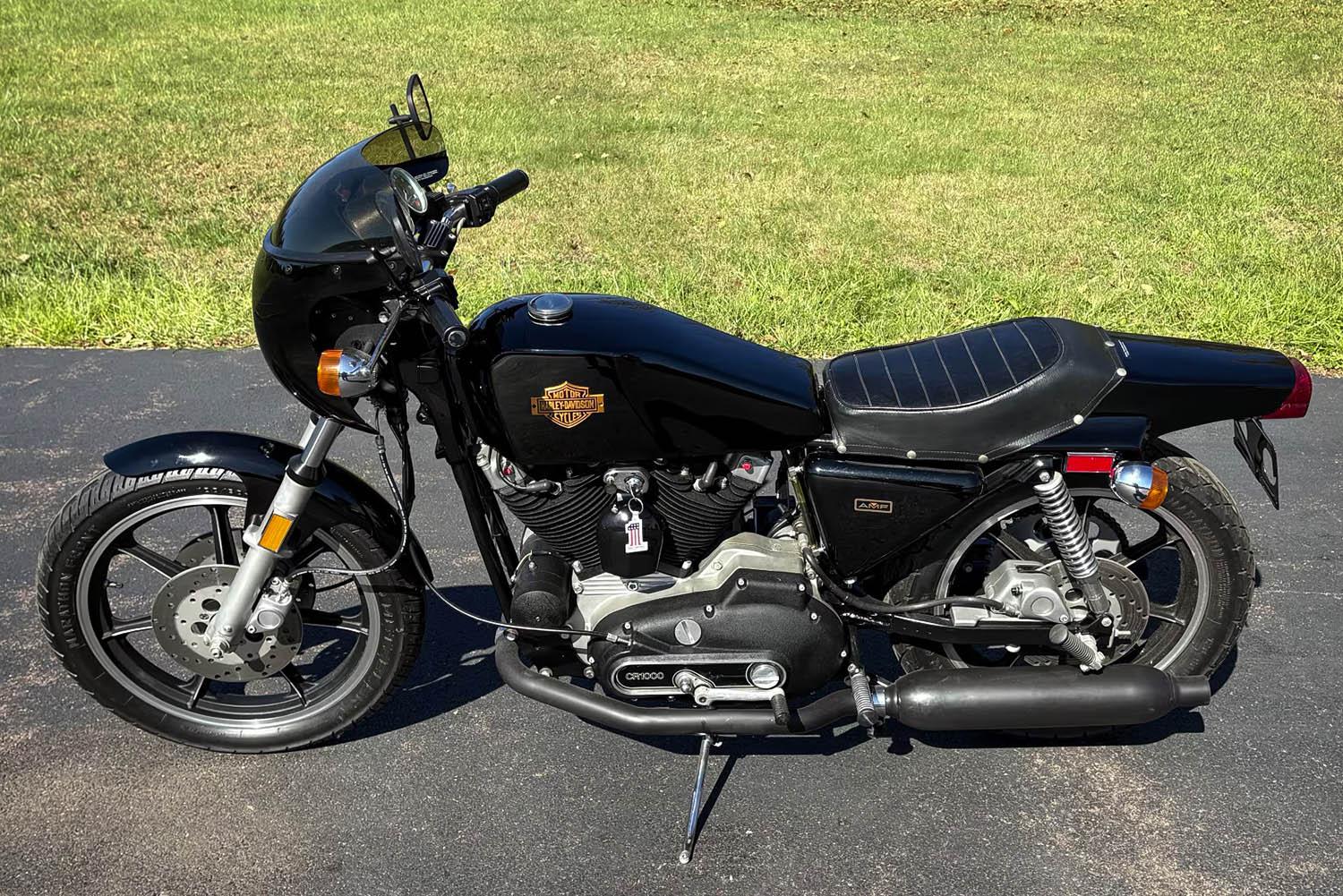
Given the bike’s footnote standing in Harley historical past (and the scant manufacturing figures), XLCRs are hardly the commonest previous HDs seen at public sale, however each occasionally, somebody wheels an OG instance out of some shed. You’ll have 4 separate probabilities to bag this iconic Sporty at Mecum’s large upcoming Las Vegas 2026 public sale, every with its personal benefit.
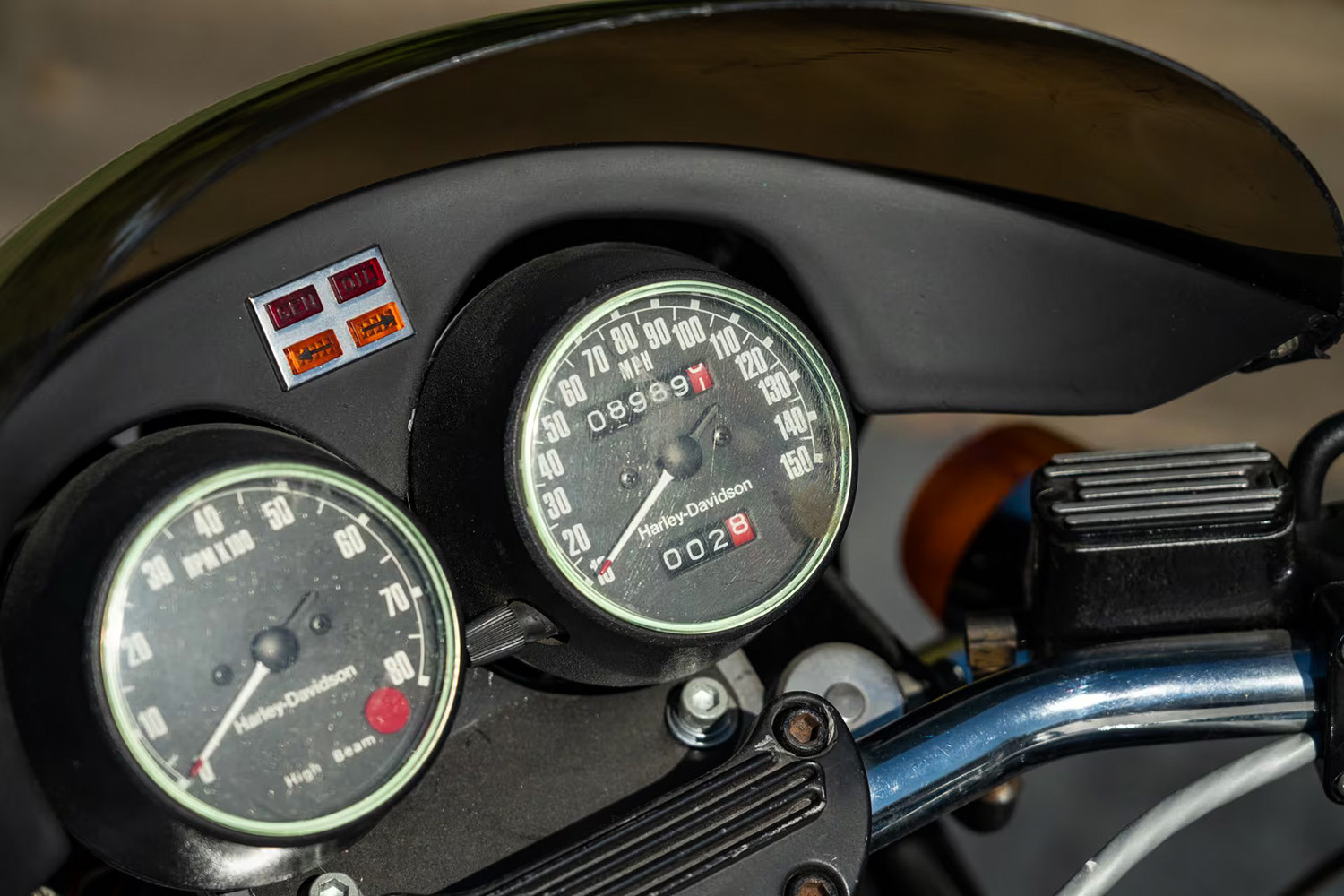
Lot F291 is a fascinating first-year mannequin that’s been comprehensively restored, leaving nothing to be desired. Nonetheless, if originality is your factor, my alternative is Lot S74. Whereas S74 is a second-year ’78 mannequin, its look is as unique as they arrive. It’s nonetheless carrying previous Goodyear Eagle A/T rubber, and the wrinkle-coat case covers have simply sufficient patina to name unique (apart from the clutch aspect). With 9,600 miles on the odometer, it’s most likely protected to imagine it has been cared for, however nonetheless has just a few tales from the dangerous previous days.
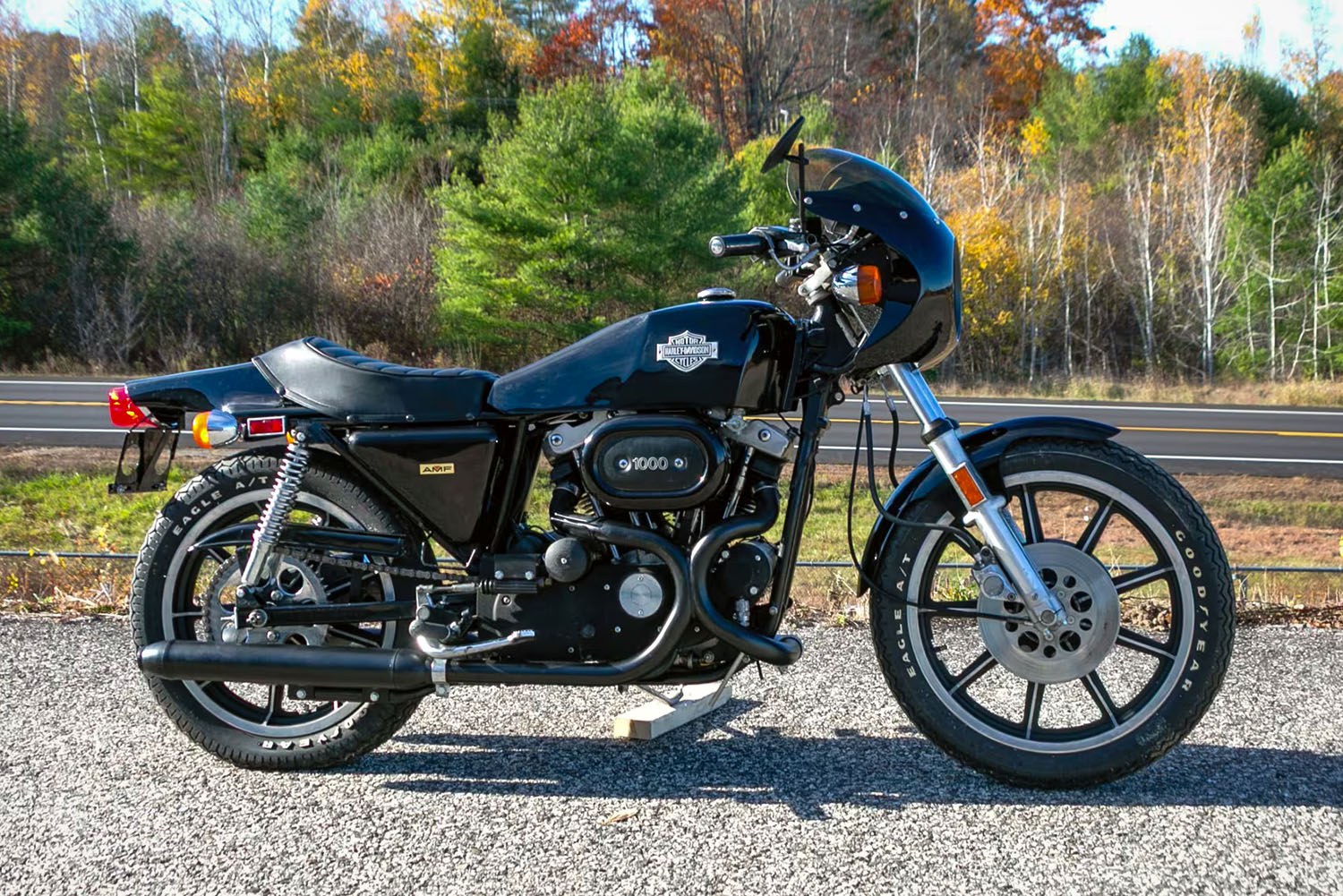
For my cash, it’s Lot S320, although, as a result of that’s the rider-quality bike of the group. As a result of should you’re something like me, this can be a machine to be seen on. Both means, we’re most likely speaking about $15,000 to $18,000 throughout the board for any of those XLCRs, which looks like awfully robust cash for a motorcycle that you just’d name misunderstood at greatest.
For me, the Harley-Davidson XLCR is pure ’80s Americana. It is steel, it is Van Halen, or the Iron Horse Motörhead was referencing, and I could not give a rattling whether or not it was thought-about a ‘good bike’ or not. I assume you must chalk it as much as mystique. [Mecum]
Trending Merchandise