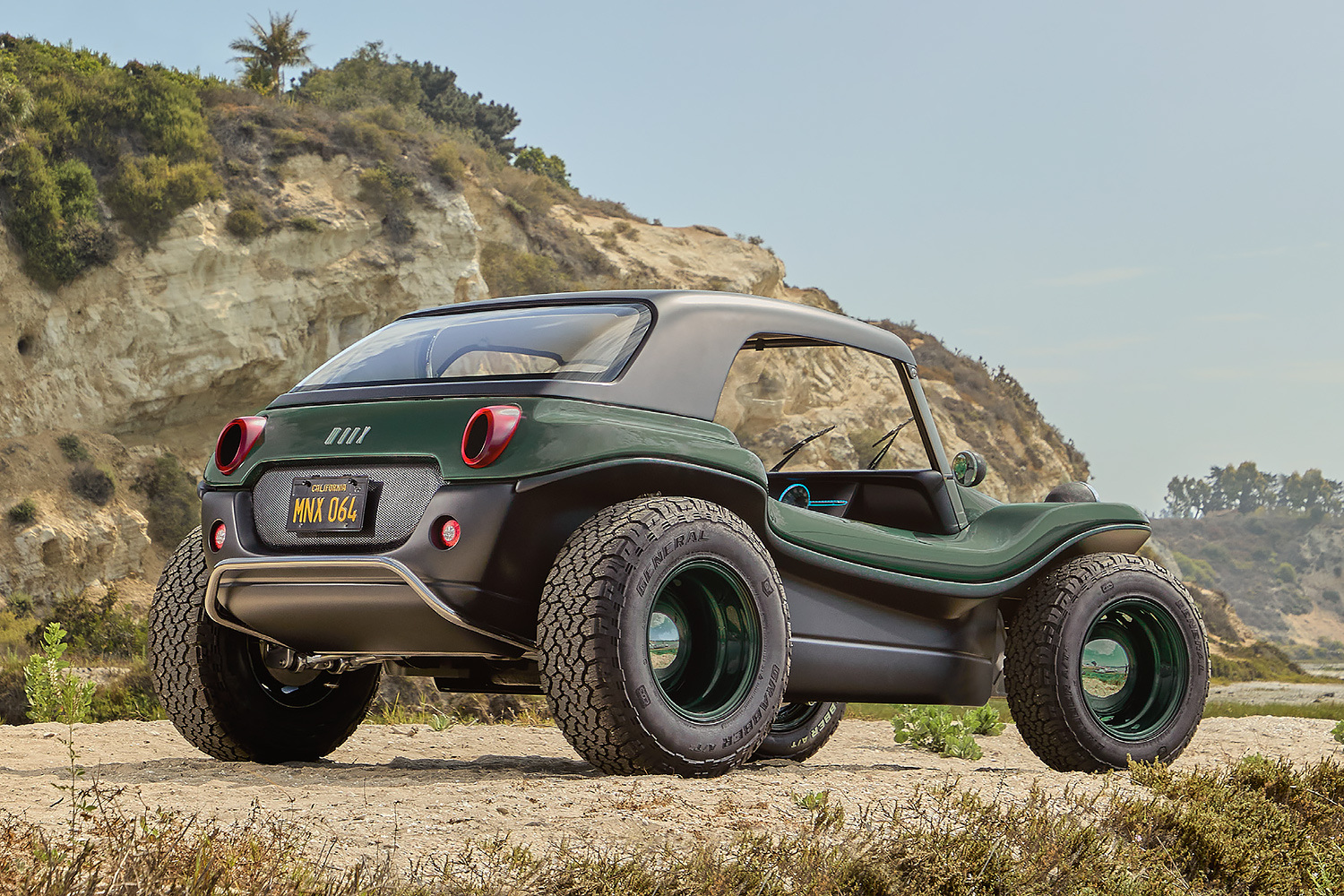
If I ask you to image a “dune buggy,” what involves thoughts? Likelihood is you’ve imagined the form of a Meyers Manx with out even realizing it. When sailor, surfer, and fiberglass boat-builder Bruce Meyers created the primary Manx, he had no concept he was launching a completely new sort of car — one that may turn into a ’60s icon of freedom and enjoyable, cemented in cool by Steve McQueen’s beach-blasting antics in The Thomas Crown Affair. Meyers was merely chasing simplicity and lightness; constructing a greater mousetrap.
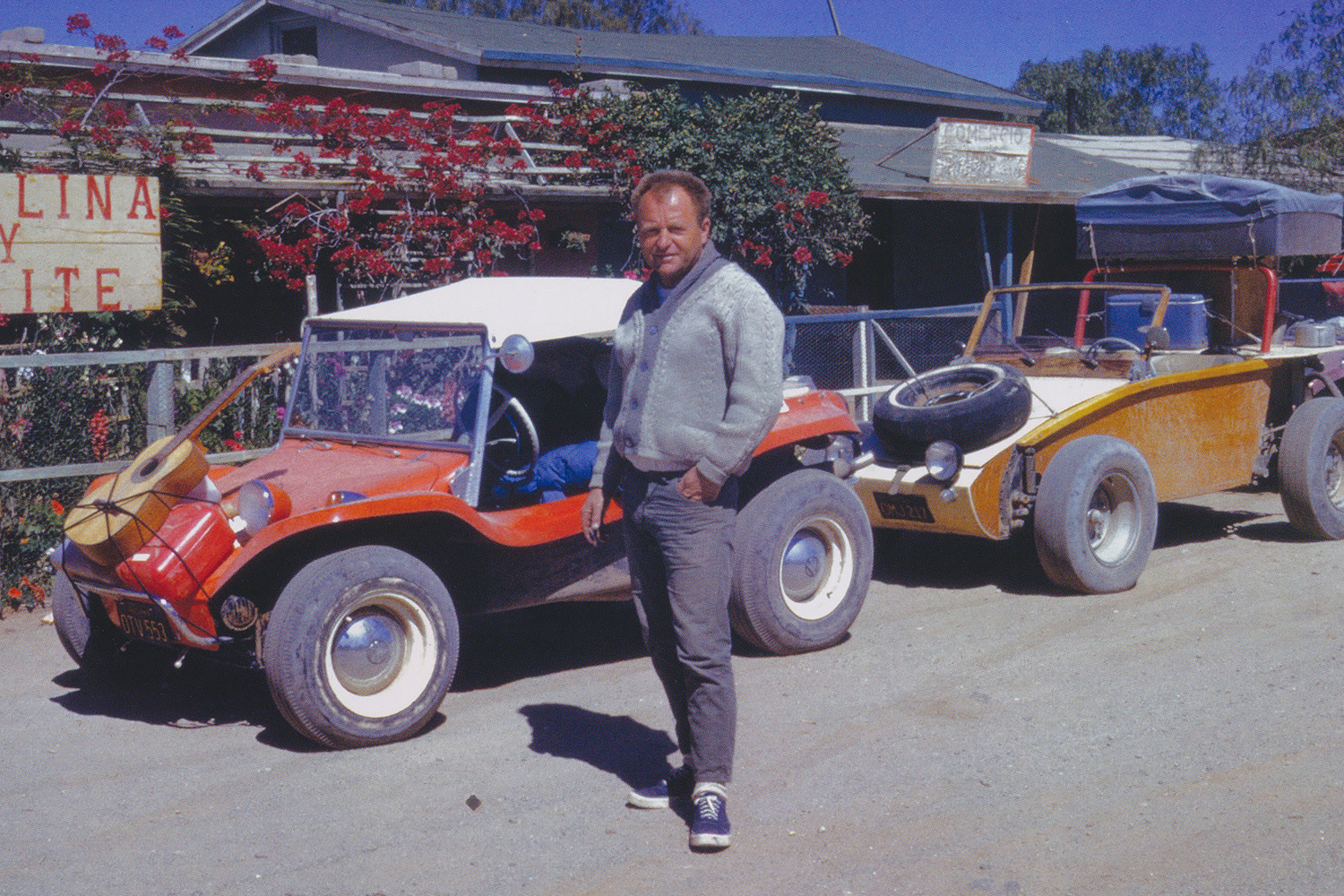
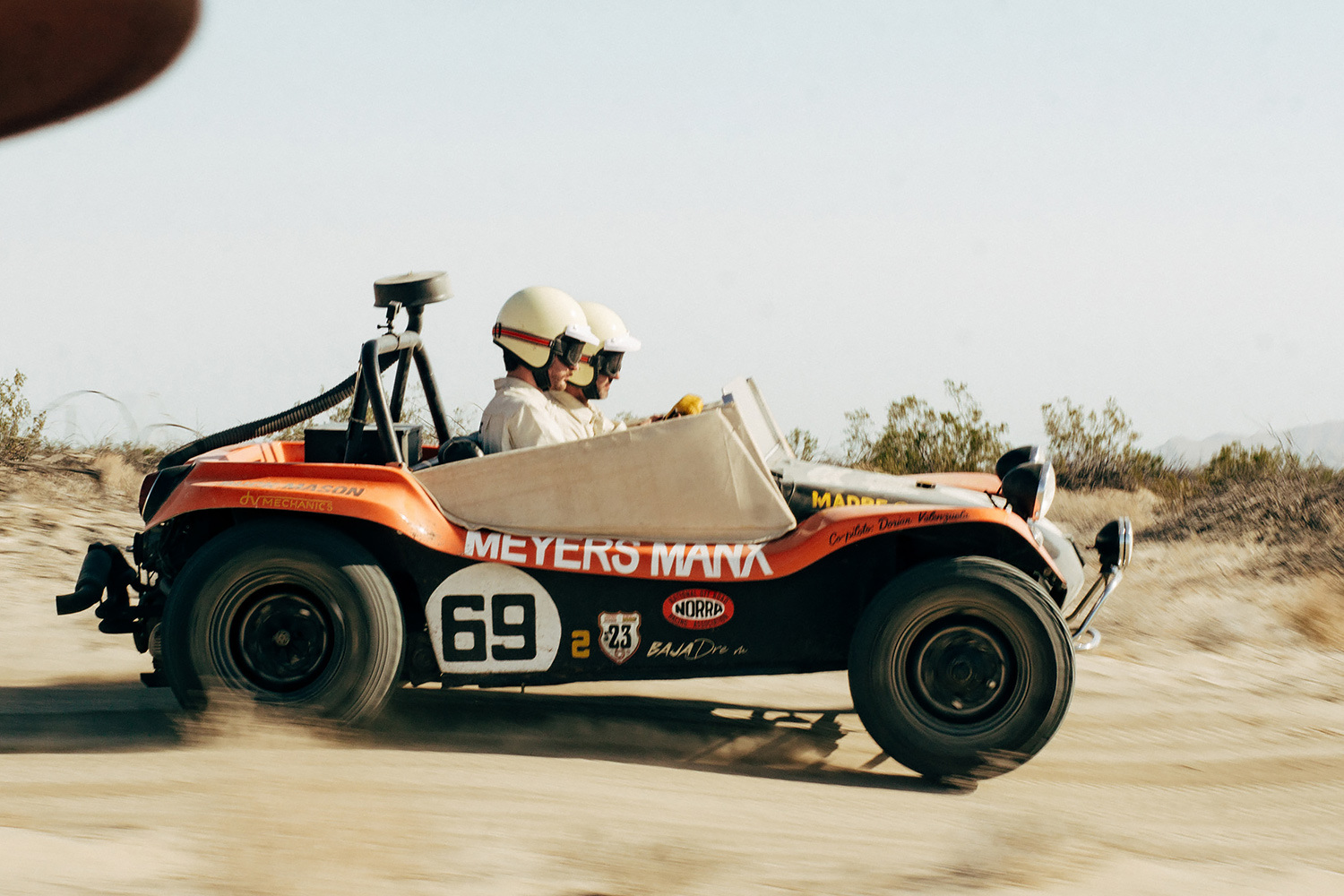
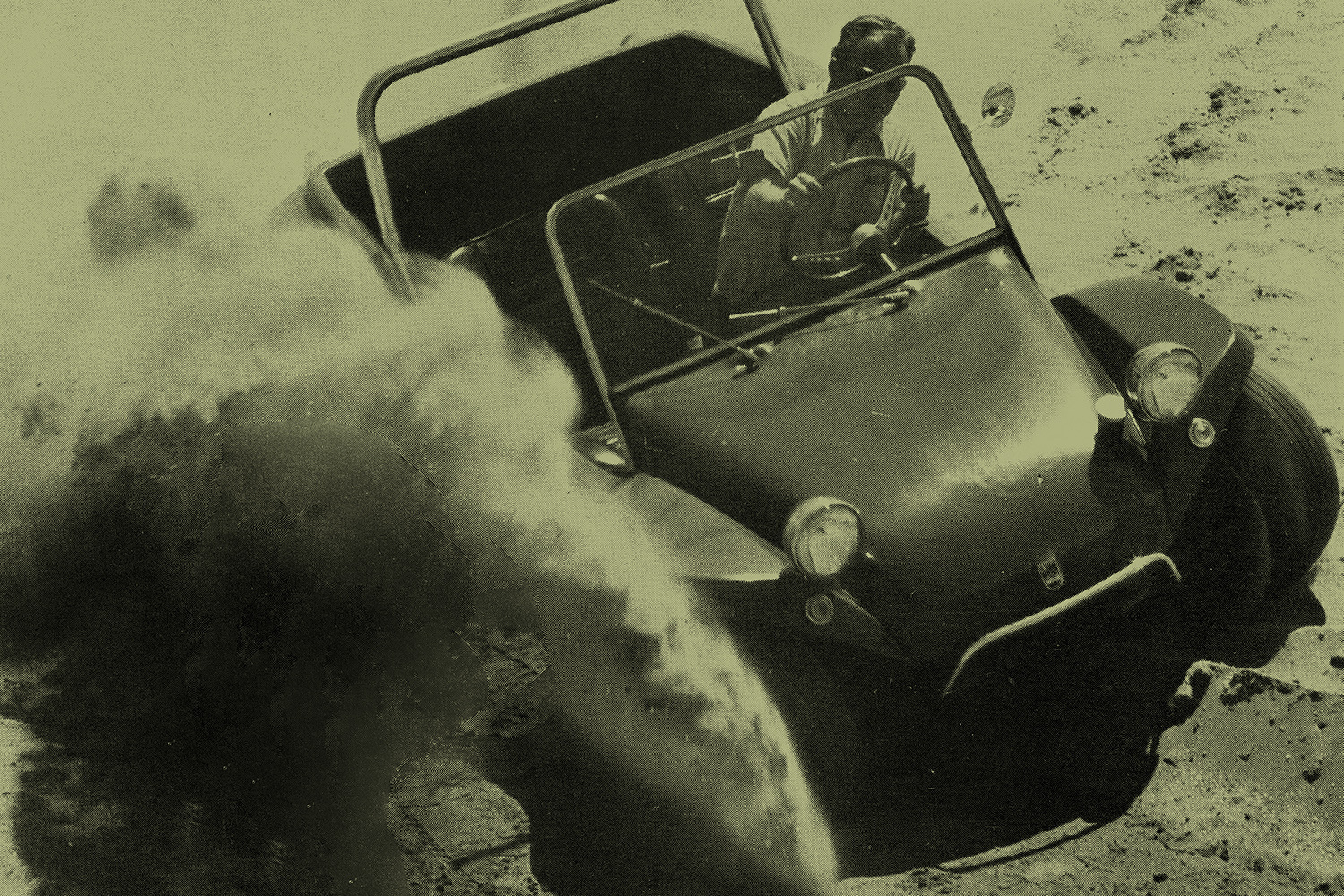
Off-road buggies had roamed the Arizona deserts and West Coast seashores because the early ’50s. The October ’54 situation of Rod & Customized referred to as them “Dune Bugs”: cut-down Mannequin A and Mannequin T roadsters that had been crude, heavy, and nicknamed “water-pumpers” for his or her water-cooled engines. Meyers first noticed them on Pismo Seaside within the early ’60s and started pondering in a different way. Utilizing a Volkswagen Beetle because the donor automotive was the breakthrough. Air-cooled, cheap, easy, and ubiquitous — with practically 1,000,000 imported to the U.S. by then — the Beetle had a flat flooring pan that would run and not using a physique and could possibly be shortened with out compromising structural integrity. That clean, light-weight canvas was excellent for Meyers’ fiberglass experience.
The primary prototype emerged from Meyers’ storage in 1964. The ultimate design was dubbed the “Manx,” borrowing its identify from the epochal Norton racing motorbike and the Isle of Man TT. It was a lithe, agile buggy that may dominate early off-road racing. Outdated Pink, Meyers’ first Manx, quickly shattered time data on the Ensenada-to-La Paz run, and one other early automotive received the grueling 1967 Mexican 1000 — later the well-known Baja 1000.
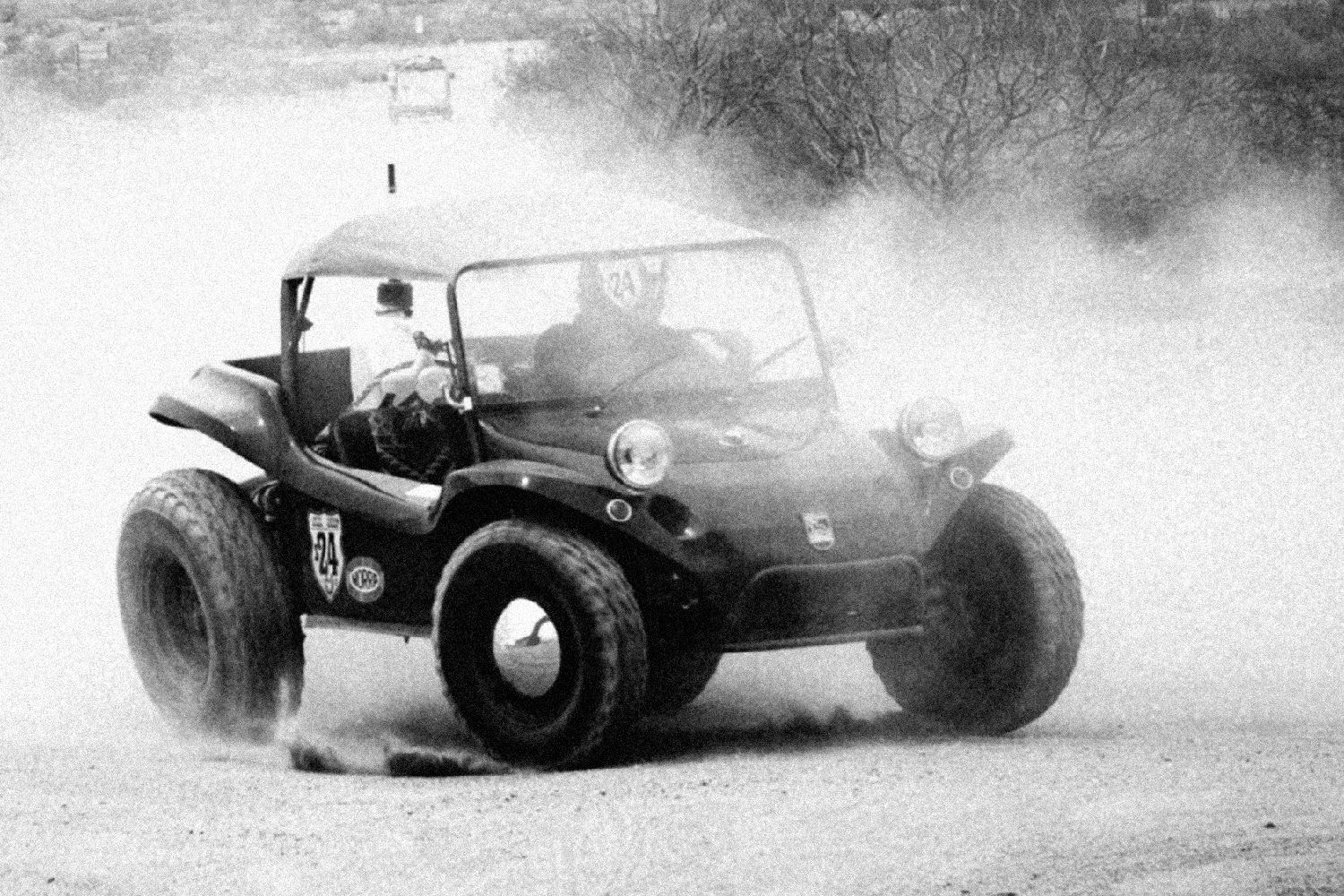
The Meyers Manx made such an impression that magazines like Scorching Rod and Automotive & Driver took discover. Orders flooded in — way over B. F. Meyers & Co. might ever construct. The surge opened the door for dozens of imitators: Empi, Autodynamics, even Sears. They churned out tons of of hundreds of buggy kits in various wheelbase lengths, filling a market Meyers couldn’t fulfill. Bruce fought the clones in courtroom, alleging copyright infringement, however as a result of Outdated Pink had been constructed a yr earlier than his patent submitting, the choose dominated it “public use.” The case evaporated. By 1970, exhausted by lawsuits, copycats, taxes, inner politics, and private pressure, Meyers left the corporate. A yr later, B. F. Meyers & Co. closed its doorways.
Three many years later, within the early 2000s, Bruce returned with Meyers Manx, Inc., constructing a restricted run of latest Manxes and reigniting curiosity within the model. Earlier than his passing in 2021 at age 94, he entrusted the corporate to the subsequent technology: his pal Freeman Thomas — a designer of the Audi TT and VW New Beetle — and enterprise capitalist and lifelong gearhead Phillip Sarofim. I sat down with them to debate taking over the Meyers Manx legacy, reviving the model, and launching one thing each new and electrical whereas staying true to its heritage.
JAY WARD: What first attracted you to the Meyers Manx?
PHILLIP SAROFIM: Bruce was very cautious about the place the Manx model might go, and he shared that with Freeman and me. After we first visited him, it was simply socially, however we shortly realized the Manx is a priceless a part of California’s historical past — its form as essential as the unique Coca-Cola bottle. It’s a bit of ’60s California: Steve McQueen, Mulholland, Pismo Seaside. In a manner, it’s concerning the hope of a greater tomorrow, and doing one thing higher on the planet.
FREEMAN THOMAS: It makes me consider the Sixties as a interval of disruption and innovation, particularly in Southern California — from Hobie to aerospace to movie. The Manx was Bruce’s manner of making one thing enjoyable and endearing. Inventive, sturdy, succesful — and lovable. Wrapped in metal-flake curves, it was a chameleon: equally at house soiled on Pismo or Malibu seashores, or gliding via Hollywood, Europe, and past. Everybody fell for it.
WARD: And why is the Manx nonetheless related immediately?
THOMAS: Personally, it’s been a part of my life in Southern California’s Volkswagen and Porsche tradition. Utilizing the straightforward, sturdy VW platform was sensible. With barely any horsepower, it might win Baja. However past the air-cooled magic, the Manx is outlined by its form and its mojo. That’s why McQueen used it: playful, non-threatening — but useless severe when it wanted to be.
SAROFIM: It’s odd, daring, irreverent, and reverent. You’re within the parts — a part of the world.
THOMAS: I name it a “vessel of freedom.”
WARD: How does this translate to Manx immediately?
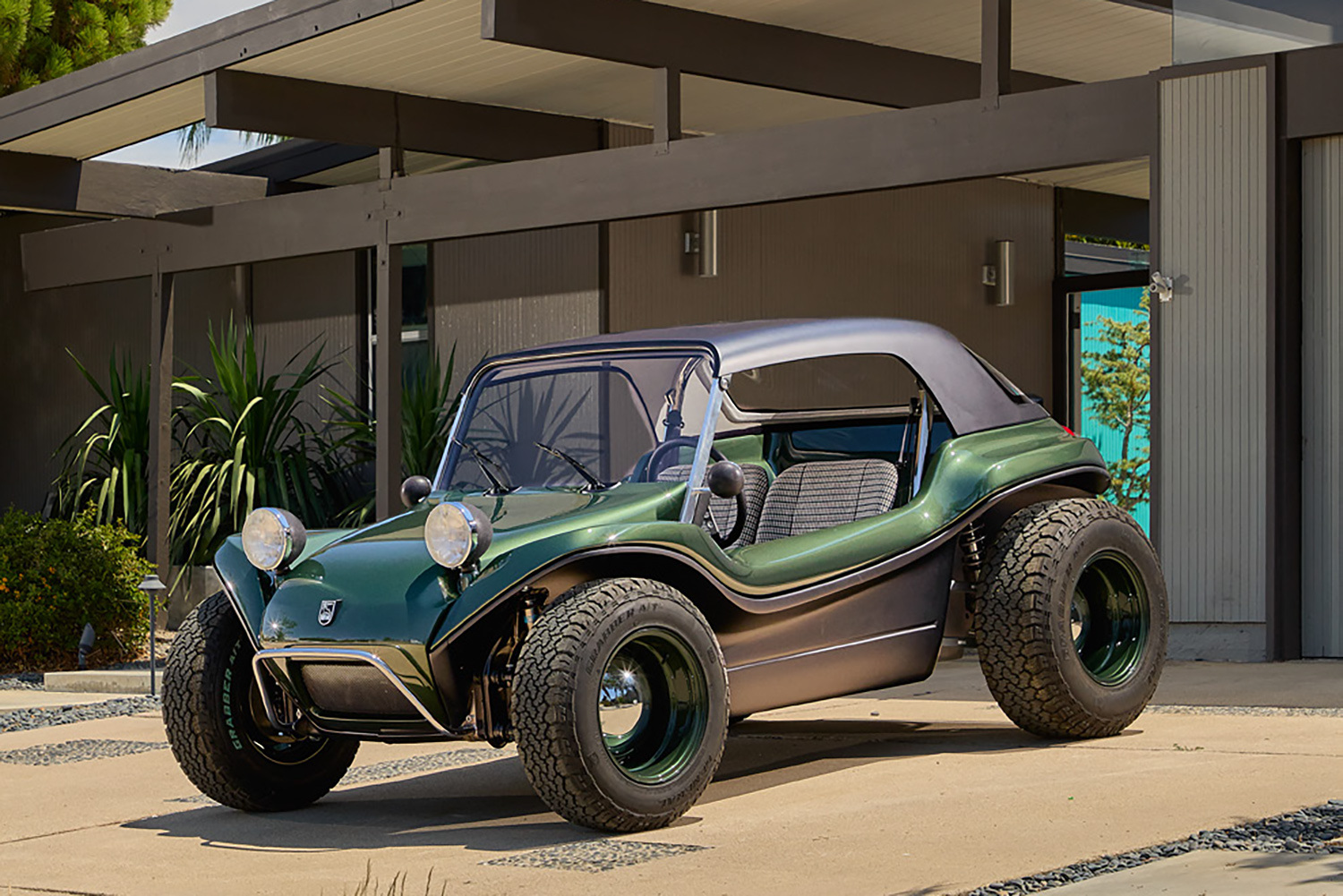
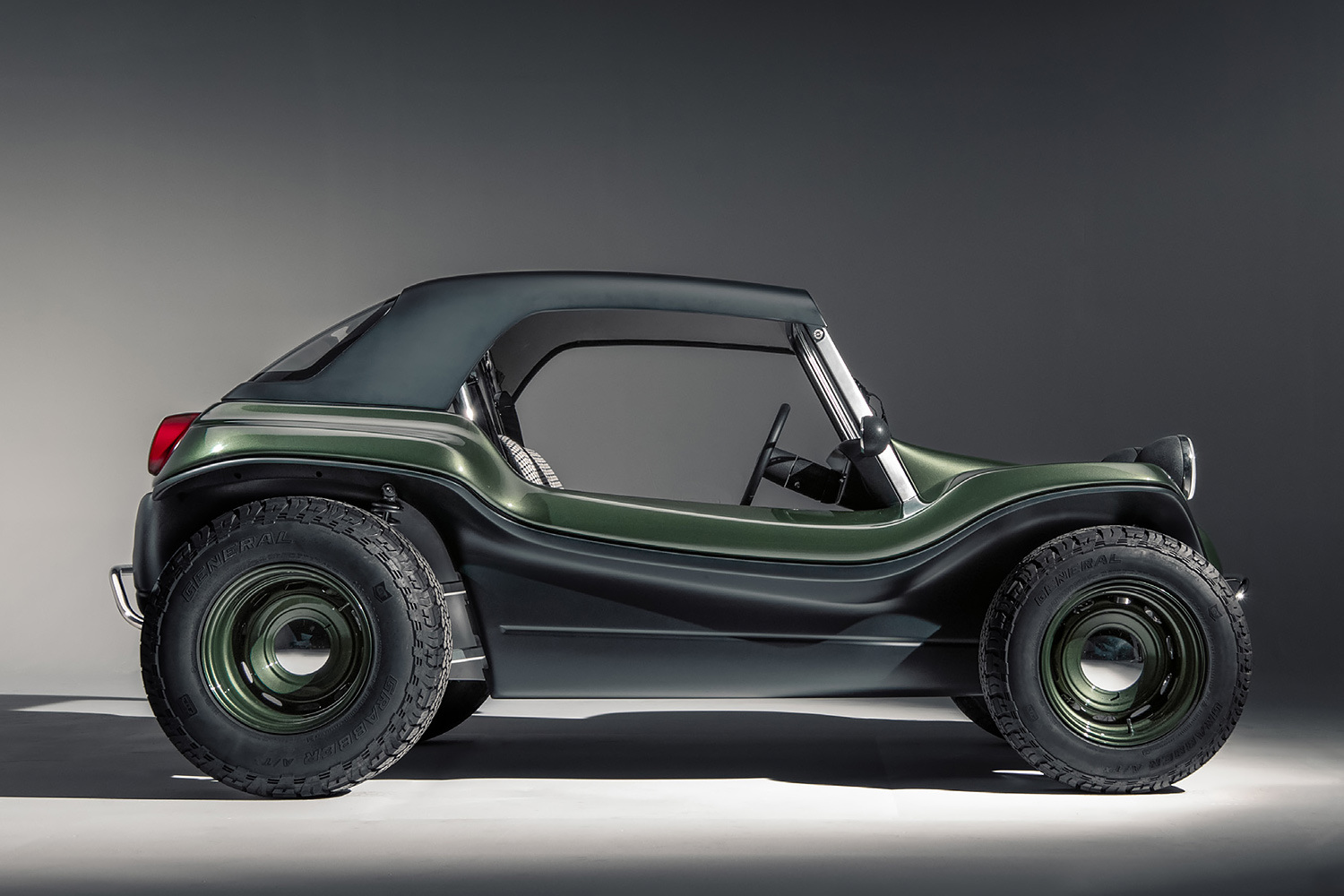
THOMAS: We’ve break up the corporate into two components: Manx Traditional Remastered and Manx 2.0. There’s overlap, however whenever you see the brand new electrical model from the two.0 group, you’ll instantly realize it’s a Manx. The unique air-cooled character transitions into electrification fantastically. Some clients will all the time need the traditional engine, however the brand new, broader viewers needs trendy, clear, quiet know-how — one thing they’ll park, plug in, and go.
The Manx 2.0 is solely new: platform, integration, inside fitments. We handled each element thoughtfully. I’m not the designer who slaps a contemporary digital cluster on an previous sprint. I reverse-engineered what Bruce inbuilt 1964. Even our traditionalists have embraced it as a result of it’s utterly genuine.
SAROFIM: Traditionally, the Manx has all the time been the Switzerland of automobiles — agnostic to platform or powerplant. Corvair, Ford, Volkswagen… now EV. It’s all the time been as much as the artist.
WARD: What’s powering the brand new mannequin, and can it keep rear-wheel-drive?
THOMAS: Sure — the Manx 2.0 stays rear-wheel-drive and precisely the identical measurement as the unique. We’re providing two variations: a 20 kWh and a 40 kWh mannequin. The 20 kWh setup weighs not more than the VW engine and gearbox and delivers 150 miles of vary. The 40 kWh model ought to hit 300 miles, with solely about 150 kilos of added weight.
WARD: Is the Manx 2.0 road authorized?
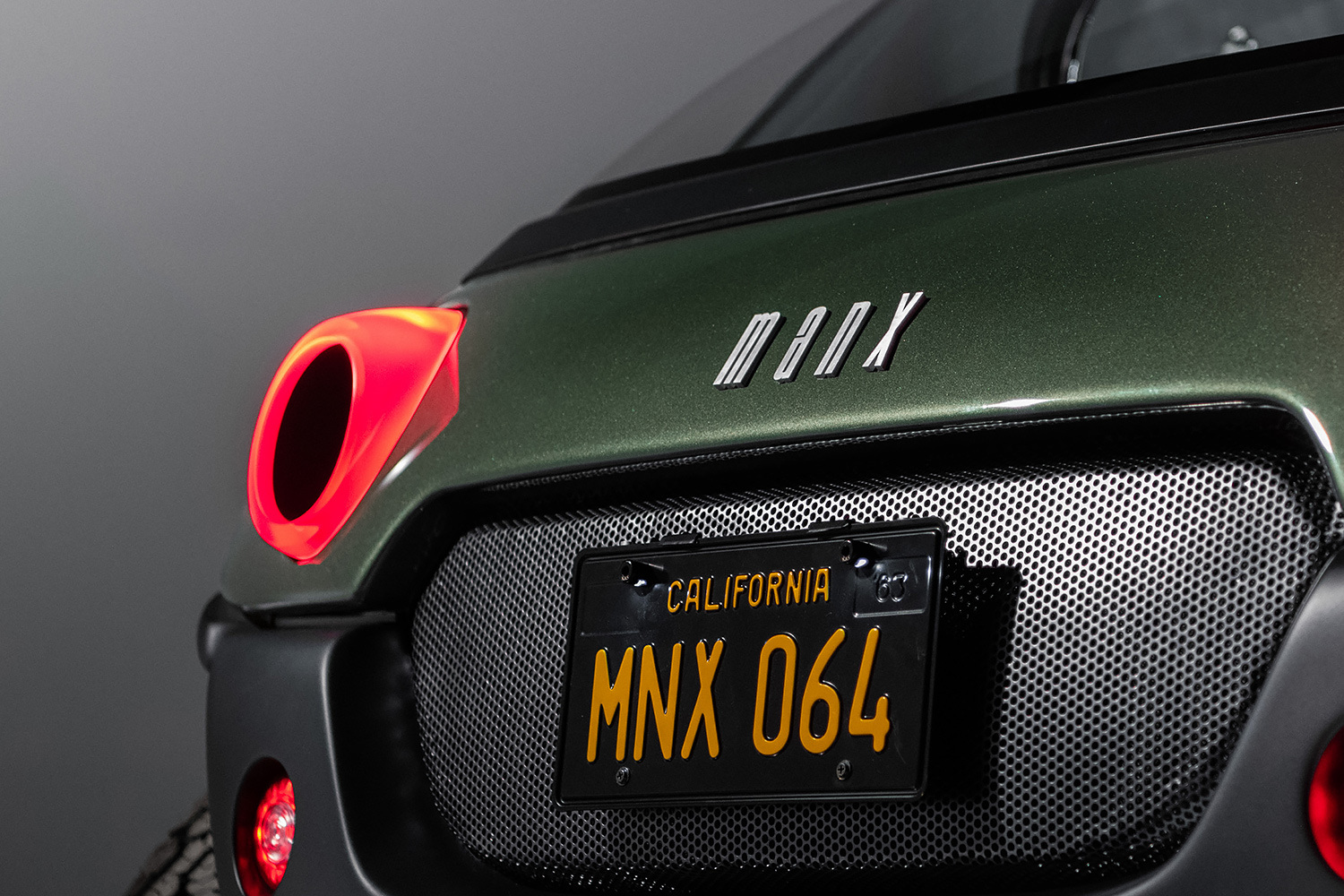
SAROFIM: Completely. Being electrical helps it meet EPA necessities, and since we’re constructing 325 turnkey autos per yr as replicas of a classic design, it qualifies underneath a brand new DOT regulation. It has entrance and rear crash zones, a monocoque tub, an built-in windshield roll bar, and a useful rear roll bar.
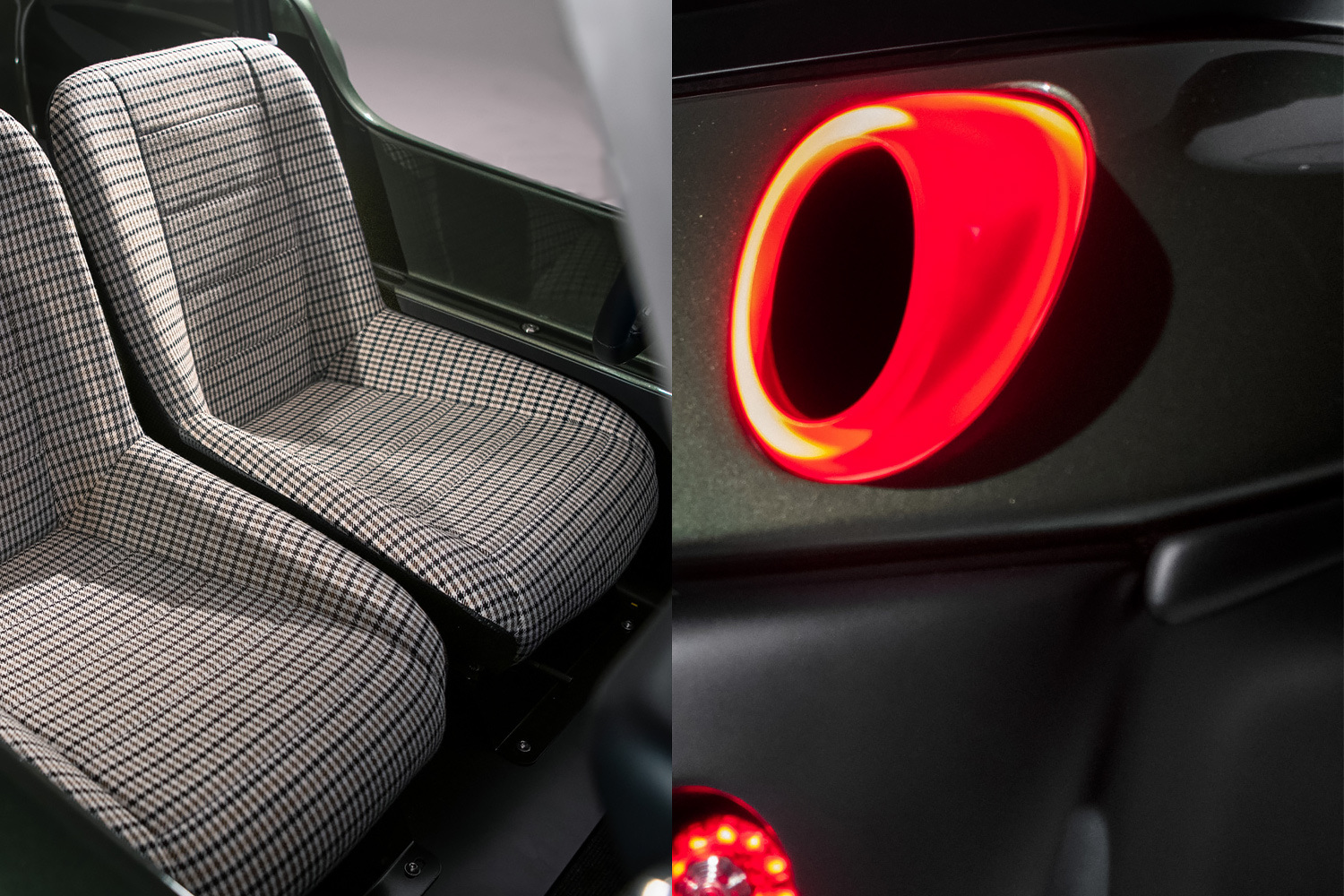
THOMAS: And we’ve hidden all the things fantastically. If I didn’t let you know there was a entrance roll bar, you’d by no means discover. It’s like a Meyers Manx that went to ending faculty. Even the bolts and washers are engraved “B. F. Meyers and Firm 1964.” Inside, the curves are seamless, like sitting in a ship. There’s no tunnel, so the cabin feels spacious. The instrument panel blends analog and digital: a single central gauge and chrome bars that act as switches — like a smartwatch for vary, velocity, calls, navigation, and extra.
WARD: The place does Meyers Manx go from right here?
THOMAS: Electrification is a journey. What you see now could be Part One. We’re poised to be a disruptor by providing the primary light-weight, street-legal electrical car. However on the core, what unites Philip and me is our ardour for the model. As we transfer into Manx 2.0, we’re staying true to what Bruce created. As Philip mentioned, it’s an agnostic model — however highly effective, private, and deeply genuine. The historical past is wealthy. The spirit runs large. And that’s what we’re tapping into: increasing the model meaningfully whereas holding tight to its soul.
This text first appeared in Iron & Air Magazine, and is reproduced right here underneath license.
Phrases by Jay Ward | Photos by Meyers Manx, Nevin Pontious, Robin Trajano
Trending Merchandise