The café racer started as a easy concept amongst British motorcyclists who needed pace, fashion, and freedom. Within the Nineteen Fifties and Sixties, riders modified their commonplace bikes to make them quicker and lighter, usually gathering at native cafés earlier than racing to the following cease. These stripped-down machines mirrored their house owners’ creativity and fervour for efficiency somewhat than loyalty to anybody model.
Over time, the café racer turned greater than only a customized bike—it grew right into a tradition. The look, outlined by low handlebars, rear-set pegs, and polished metallic, unfold far past the UK. Even a long time later, riders around the globe nonetheless construct and experience café racers, protecting that spirit of individuality and pace alive.
Key Takeaways
- The café racer began as a British movement centered on pace and private fashion.
- Its design and tradition unfold worldwide and influenced bike traits for many years.
- Trendy riders proceed to construct café racers as a tribute to their traditional roots.
Origins Of The Cafe Racer
Early Improvement in Nineteen Fifties–Sixties Britain
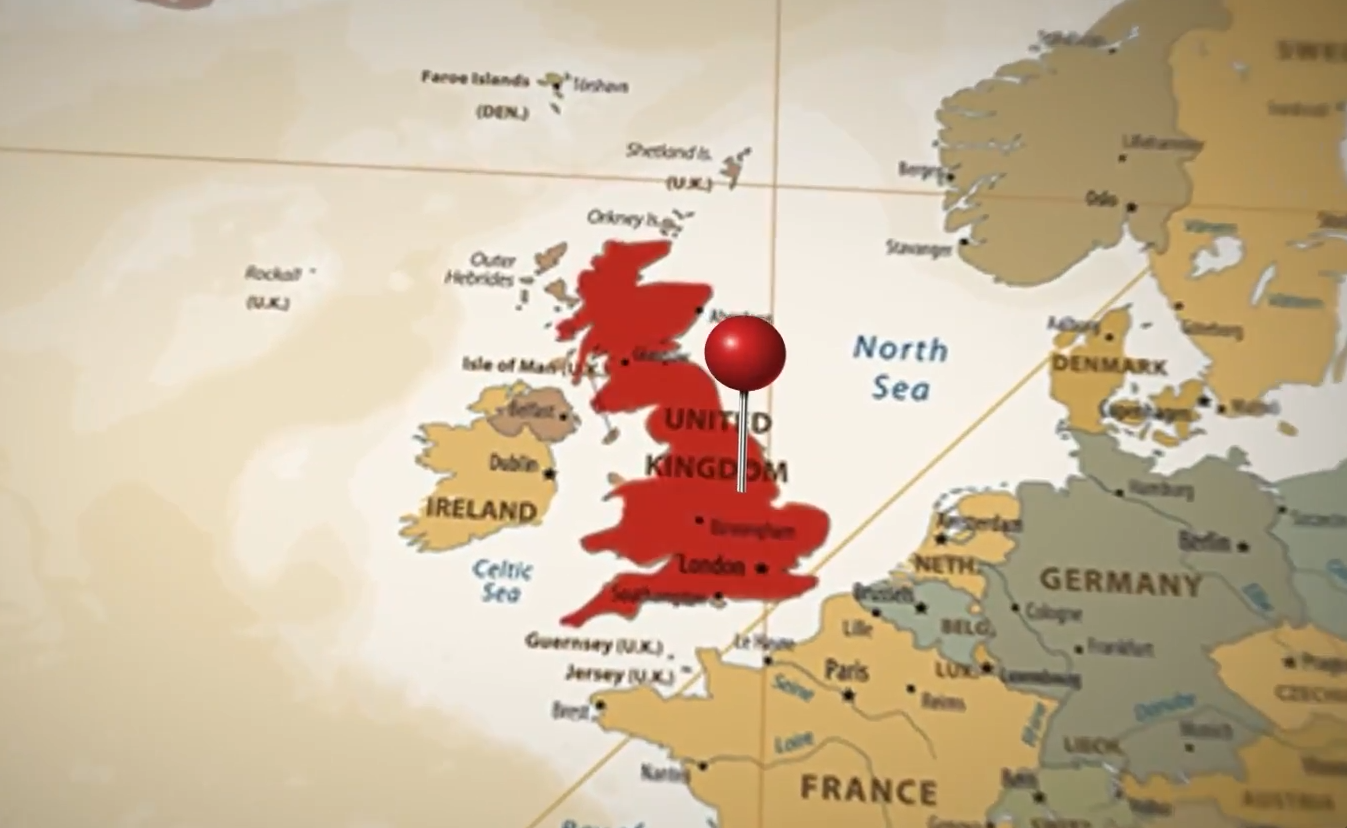
The cafe racer style started in postwar Britain through the Nineteen Fifties and Sixties. Riders gathered at roadside cafes, utilizing them as assembly spots earlier than racing to the following one. These brief, quick rides formed the title cafe racer.
Motorcyclists modified their bikes for pace and dealing with, eradicating pointless elements to make them lighter. They changed heavy metal tanks with aluminum ones, lowered the handlebars, and moved the foot pegs again for a racing stance. The objective was easy—go quicker and appear like the racers seen at well-known occasions such because the Isle of Man.
Racing between cafes was extra about satisfaction than prizes. Riders competed for respect, not cash. This mixture of pleasant rivalry and shared ardour helped type an in depth group that valued each efficiency and magnificence.
| Widespread Modifications | Goal |
|---|---|
| Lighter gasoline tanks | Cut back weight |
| Clip-on handlebars | Enhance aerodynamics |
| Rear-set foot pegs | Create racing posture |
| Engine tuning | Enhance energy |
Function of the British Motorbike Scene
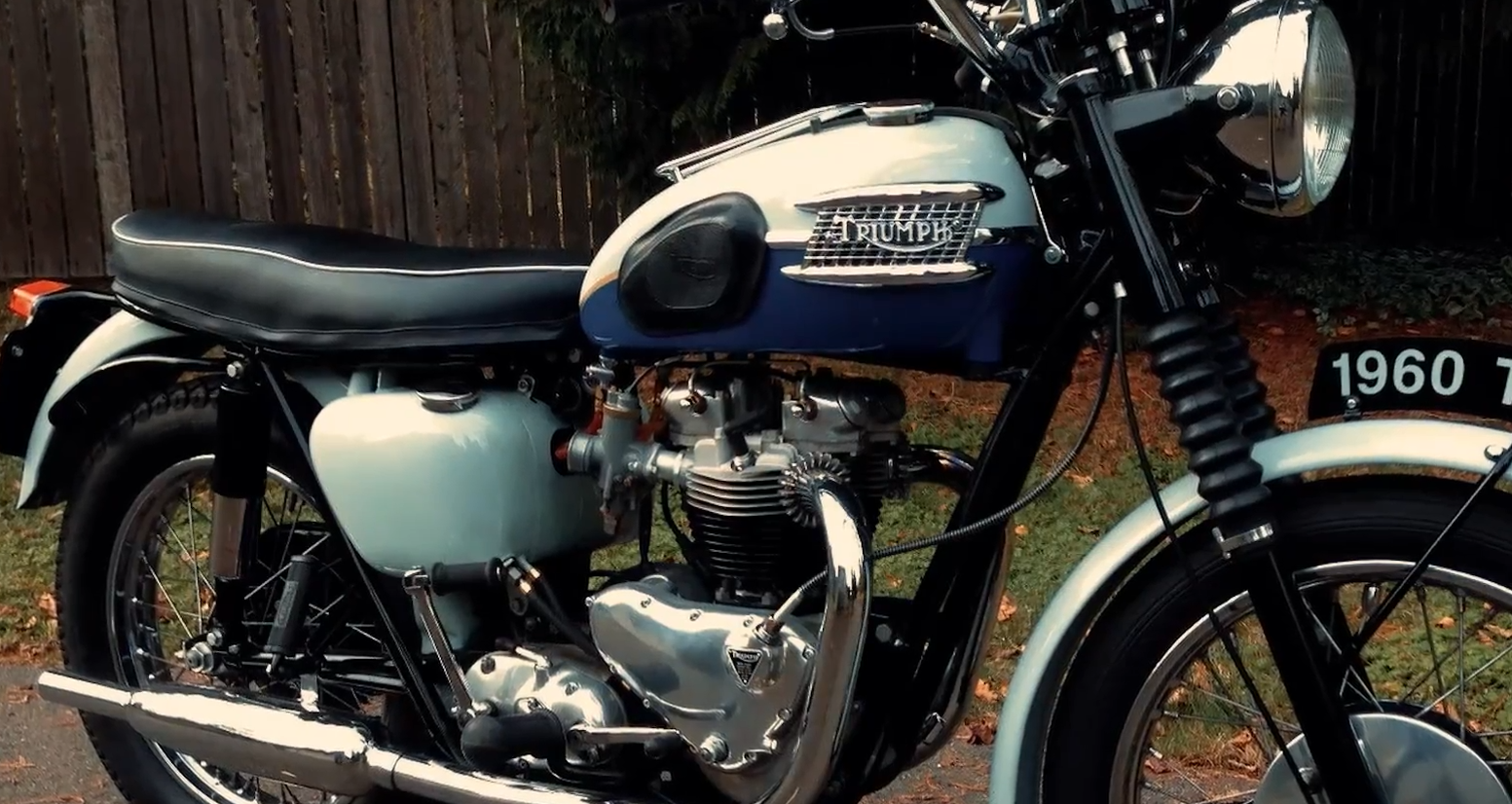
Britain’s bike trade fueled the cafe racer motion. Corporations like Triumph, Norton, and Vincent produced reasonably priced, high-performance bikes that served as good beginning factors for personalisation.
Fanatics usually combined elements from completely different manufacturers, caring extra about outcomes than loyalty to a producer. The tradition mirrored American hot-rodding, the place creativity and pace mattered most.
Because the development grew, main producers observed. By the Nineteen Seventies and Nineteen Eighties, manufacturers similar to Harley-Davidson, Honda, and BMW launched factory-built fashions impressed by the unique cafe racers. These bikes carried the identical stripped-down look and racing affect that started a long time earlier within the cafes of Britain.
Defining The Cafe Racer Fashion
Key Design Traits
Cafe racers function a minimalist and purposeful look. Builders take away further elements to make the bike lighter and quicker. The fashion usually features a lengthy gasoline tank, a single seat, and a low, stretched stance. Riders lean ahead behind clip-on handlebars, giving the bike a racing posture.
| Function | Description |
|---|---|
| Gas Tank | Slim and elongated for a racing profile |
| Seat | Single, usually with a rear cowl |
| Handlebars | Low and slender for higher aerodynamics |
| Foot Pegs | Set farther again to create a tucked using place |
Typical Customized Modifications
Homeowners usually modify their bikes to match the feel and appear of Sixties British racers. Widespread adjustments embody:
- Changing heavy metal elements with lighter aluminum items
- Swapping out manufacturing facility tanks for race-style variations
- Decreasing handlebars and repositioning pegs for a sportier stance
These updates create a smooth, stripped-down machine centered on pace and management somewhat than consolation or ornament.
Engine and Pace Enhancements
Efficiency mattered as a lot as seems to be. Riders upgraded engines to maintain up with one another on café runs. They usually used:
- Bigger carburetors for higher airflow
- Freer exhaust programs to spice up energy
- Engine swaps, generally mixing manufacturers, to realize further horsepower
This strategy mirrored a do-it-yourself efficiency tradition the place individuality and pace outlined the spirit of the cafe racer.
The Tradition Behind Cafe Racers

Cafes as Assembly Grounds
Cafes in postwar England turned the guts of the cafe racer motion. Riders gathered at these spots to share tales, exhibit their bikes, and plan rides. Every cafe served as a social hub the place friendships shaped and rivalries grew.
Widespread hangout traits:
| Function | Goal |
|---|---|
| Central location | Quick access for riders |
| Music and jukeboxes | Mirrored the rock and roll spirit |
| Open parking areas | Displayed custom-made bikes |
Bonds Amongst Riders
The cafe racer scene constructed sturdy connections amongst fanatics. Riders valued ability, creativity, and respect greater than model loyalty. Whether or not somebody rode a Triumph, Norton, or a Japanese bike, what mattered was the shared ardour for pace and craftsmanship.
They usually rode in teams, pushing one another to enhance their machines. This sense of teamwork created an enduring group that prolonged past the bikes themselves.
The Spirit of Pleasant Competitors
Racing from one cafe to a different turned a check of each rider and machine. These brief bursts of pace weren’t about cash or prizes however about satisfaction and acknowledgment. It was a type of gentleman’s racing, the place a easy nod between riders confirmed mutual respect.
This perspective formed the tradition’s identification—quick, truthful, and constructed on honor. Even at present, that very same spirit continues to outline what it means to experience a restaurant racer.
Evolution And World Affect
Affect of Japanese Bikes
When Japanese producers entered the market within the Nineteen Seventies, they modified how riders constructed and seen café racers. Their bikes provided sturdy engines, dependable efficiency, and reasonably priced costs. Builders started utilizing fashions from Honda, Yamaha, and Kawasaki as new bases for customized café tasks. These bikes allowed extra individuals to affix the motion, increasing it past British manufacturers.
| Decade | Widespread Café Racer Base | Notable Function |
|---|---|---|
| Sixties | Triumph, Norton, Vincent | Traditional British styling |
| Nineteen Seventies | Honda CB series | Excessive efficiency and straightforward tuning |
| Nineteen Eighties | Yamaha, Kawasaki | Trendy reliability with classic attraction |
Manufacturing unit-Constructed Café Fashions
As enthusiasm grew, main producers began releasing ready-made variations of the fashion. These manufacturing facility café racers provided the look and stance of customized builds with out the necessity for modification. Examples included the Harley-Davidson XLCR and Honda GB500 TT. Later, firms like BMW and Moto Guzzi adopted with their very own interpretations.
- Goal: Seize the café racer spirit in a manufacturing mannequin
- Design Traits: Low handlebars, rear-set foot pegs, and light-weight frames
- Market Impression: Made the fashion accessible to riders who needed efficiency with heritage
Shifting Developments Over the Years
By the Nineteen Eighties and Nineteen Nineties, the café racer development slowed as new bike types gained consideration. The rock and roll picture that when fueled the scene light, however the bikes’ design and tradition remained admired. Lately, curiosity has returned as riders look again to traditional builds for inspiration.
As we speak, each customized builders and main manufacturers proceed to supply café racer–fashion bikes. The combination of nostalgia, simplicity, and speed-focused design retains the legacy alive throughout generations and continents.
Cafe Racers In Trendy Occasions
Trendy Builders and Riders
As we speak, riders everywhere in the world nonetheless construct and experience cafe racers. They combine old-school seems to be with trendy elements and know-how. Many use lighter frames, customized tanks, and low handlebars to maintain the traditional stance.
Common selections for builds:
| Base Mannequin | Nation | Notable Function |
|---|---|---|
| Triumph Bonneville | UK | Retro styling with trendy reliability |
| Honda CB Sequence | Japan | Simple to switch and reasonably priced |
| BMW R NineT | Germany | Manufacturing unit cafe racer design |
Fanatics usually share their builds on-line, commerce elements, and collect at occasions to have fun the tradition. The main target stays on private expression and efficiency somewhat than model loyalty.
Ongoing Affect in Motorbike Design
Producers proceed to attract from cafe racer design. Manufacturers like Ducati, Royal Enfield, and Yamaha launch fashions that echo the stripped-down, racing-inspired look of the Sixties.
Trendy manufacturing facility variations usually embody:
- Clip-on handlebars
- Slim gasoline tanks
- Rear-set foot pegs
- Minimalist lighting and bodywork
These design cues join at present’s bikes to their historic roots. At the same time as traits shift, the cafe racer’s clear strains and concentrate on pace stay an enduring affect on bike design.
Conclusion
Cafe racers proceed to seize consideration a long time after their rise within the mid-Twentieth century. Their distinct mixture of pace, fashion, and individual craftsmanship retains them related amongst each traditional and trendy riders.
Builders at present nonetheless comply with the identical core concepts—light-weight frames, low handlebars, and racing-inspired designs—that outlined the originals. Many main manufacturers now provide factory-built variations, exhibiting how deeply this tradition has influenced bike design.
| Period | Key Improvement | Instance |
|---|---|---|
| Nineteen Fifties–Sixties | British riders modify bikes for pace | Triumph, Norton |
| Nineteen Seventies | Japanese fashions be a part of the scene | Honda, Yamaha |
| Nineteen Eighties–Nineteen Nineties | Producers launch ready-made café racers | Harley-Davidson XLCR |
| As we speak | Ongoing customized builds and trendy tributes | BMW, Moto Guzzi |
The spirit behind these machines stays one in every of personal expression, pleasant rivalry, and shared enthusiasm for the experience itself.
Trending Merchandise