With every stroke of the hand airplane, the sculpted strains of stripped cedar planks take kind. On this room, only a few miles off the coast, the salt-etched palms of the boat builder transfer throughout the bow as he hones his craft. He’s targeted on necessity in that the construction should float and stand up to the pounding waves of a fast-approaching New England winter; he’s targeted on usefulness in that this vessel will carry males, cargo, or meals; and he’s targeted on aesthetics, drawing out the sweetness discovered inside the strains of the fastidiously chosen grain of the wooden. That is Maine on the finish of the 18th century, the place a legacy of boat-building has already lengthy taken root, and the plush forests present the means for the expert craftsman to meet the top—handmade ships and boats worthy of a lifetime at sea. Nevertheless, it is going to be over 200 years earlier than the saplings of those identical lands will likely be harvested to be made needed, helpful, and delightful within the palms of modern-day craftsmen with one other finish in thoughts: browsing.
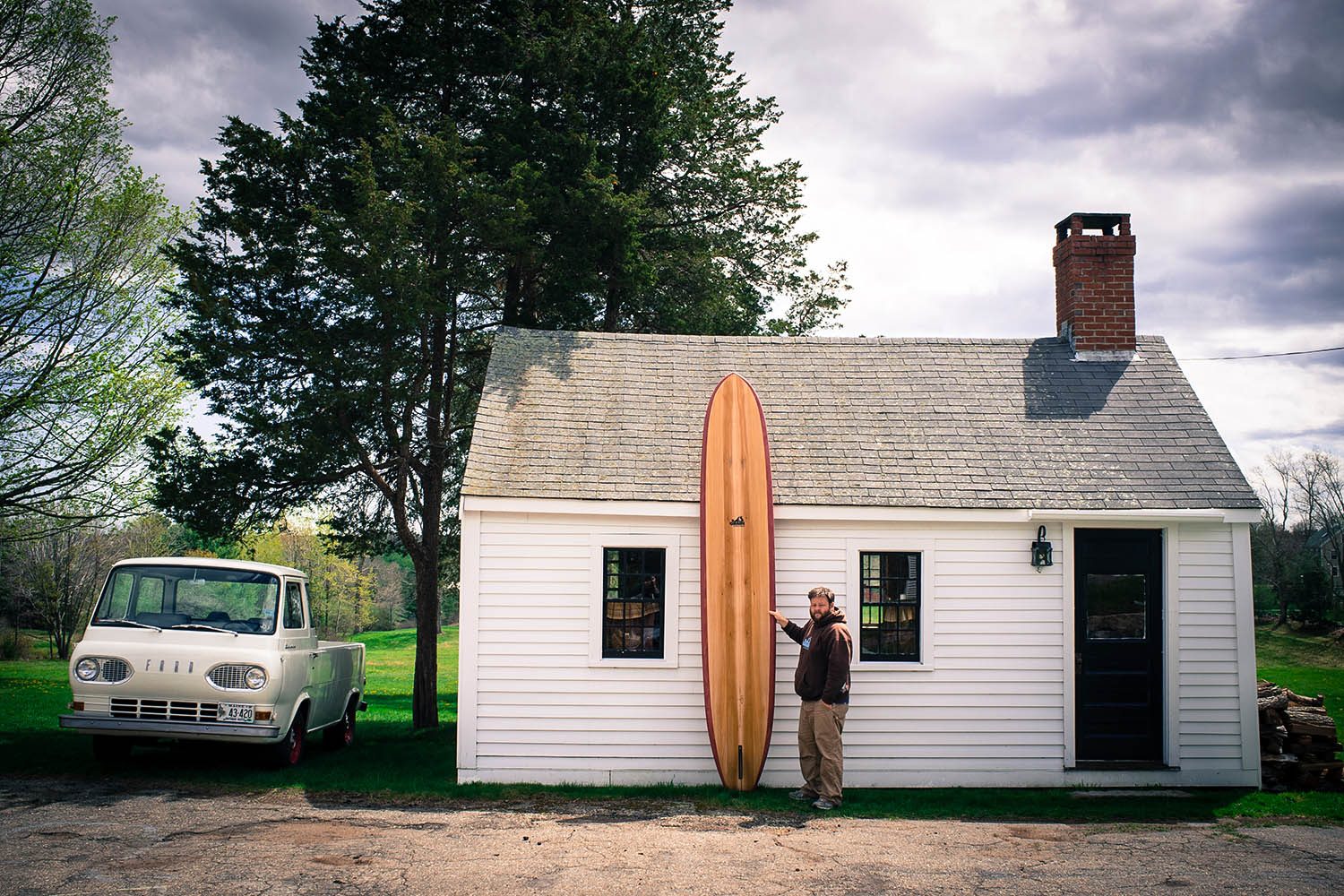
Mike LaVecchia, Brad Anderson, and the crew at Grain Surfboards don’t simply make surfboards. At their dwelling within the city of York, 10 miles inland, give or take, from the coast of Maine, co-owners LaVecchia and Anderson have channeled a sort of Shaker mentality for locating a way of upper goal by way of the follow of 1’s craft. The exclusivity of the Grain model adorning their handmade wood surfboards would lead one to suppose that the coveted methodology behind their customized boards would stay a thriller, like a secret household recipe, locked up and handed on by way of the bond of blood. However Grain desires to move this data on, sharing the method in a communal setting, forming a bond between creator and creation, and provoking the palms of future craftsmen for generations to come back.
Whenever you point out browsing to most individuals, flashes of Infinite Summer season come to thoughts—heat sunny seashores of California and Australia, board shorts, and scantily-clad beauties lining sandy seashores. However coastal New England? Not on the high of thoughts for many. Mike, Brad and the crew are altering that notion for many individuals with their tackle what a surfboard ought to be, and what the creation of the board ought to imply to its rider. The polyurethane foam board, an early design from the Fifties that grew in reputation in direction of the previous couple of many years of the twentieth century, appealed to the mass market as a result of its affordability and important weight discount over the strong wooden surfboards that browsing’s pioneers began on. Whereas simply manufactured, little to no care was paid to the environmental ramifications of manufacturing these boards, and what they made up for in value, they lacked in character and soul.
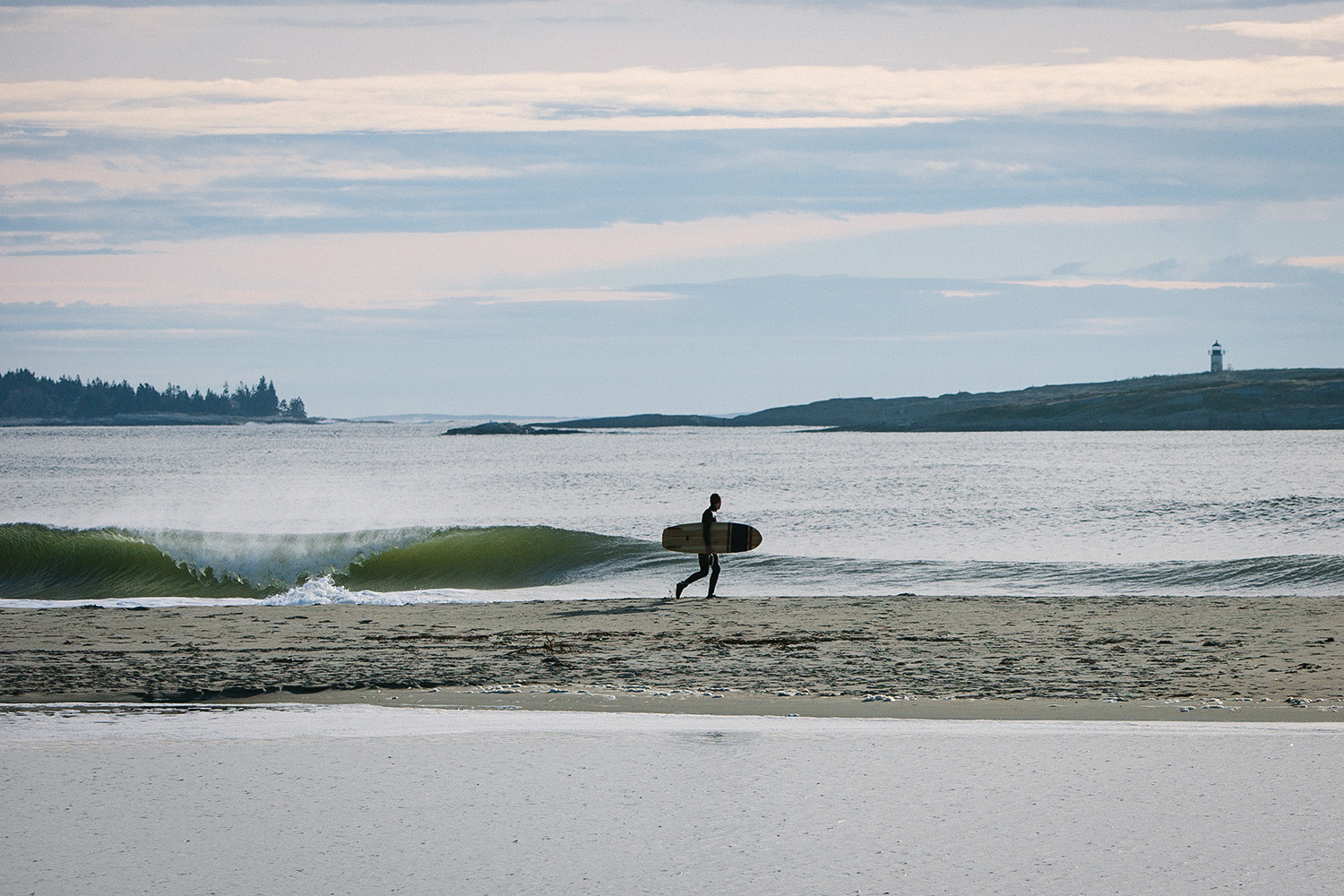
With time spent as a former boatbuilder, Mike LaVecchia believed the age-old strategies he had practiced may very well be utilized to his ardour for browsing. LaVecchia, who previously labored for Burton snowboards, arrange a makeshift store in his basement in York, Maine, and started experimenting with designs for hollow-core wood surfboards utilizing conventional boat-building methods. He quickly met Brad Anderson, a craftsman with an experience in woodworking, they usually perfected the strategies with which they might construct their boards. With over 200 miles of shoreline and several other hundred years of boat-building and craftsman historical past, Maine made the right dwelling for Grain Surfboards.
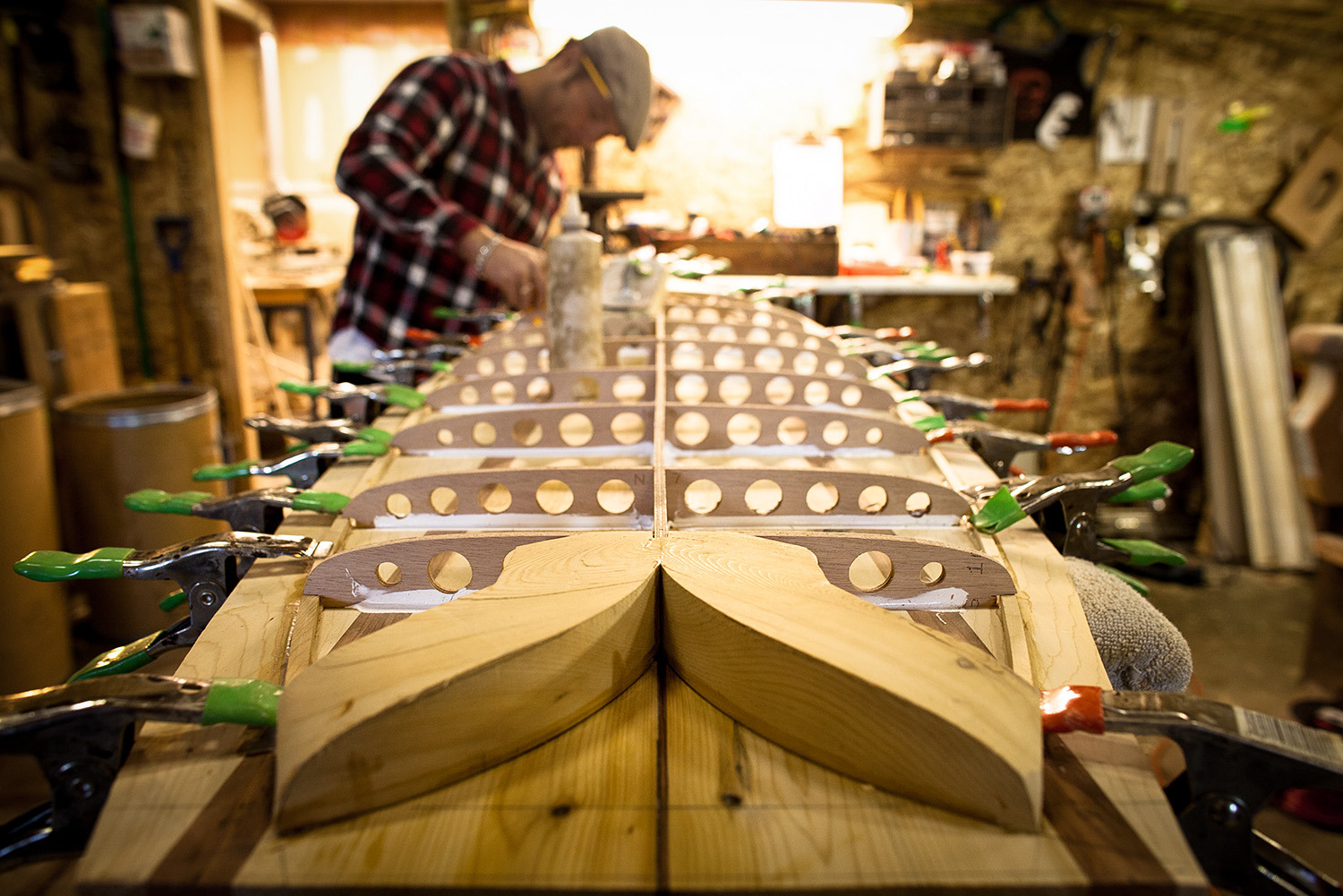
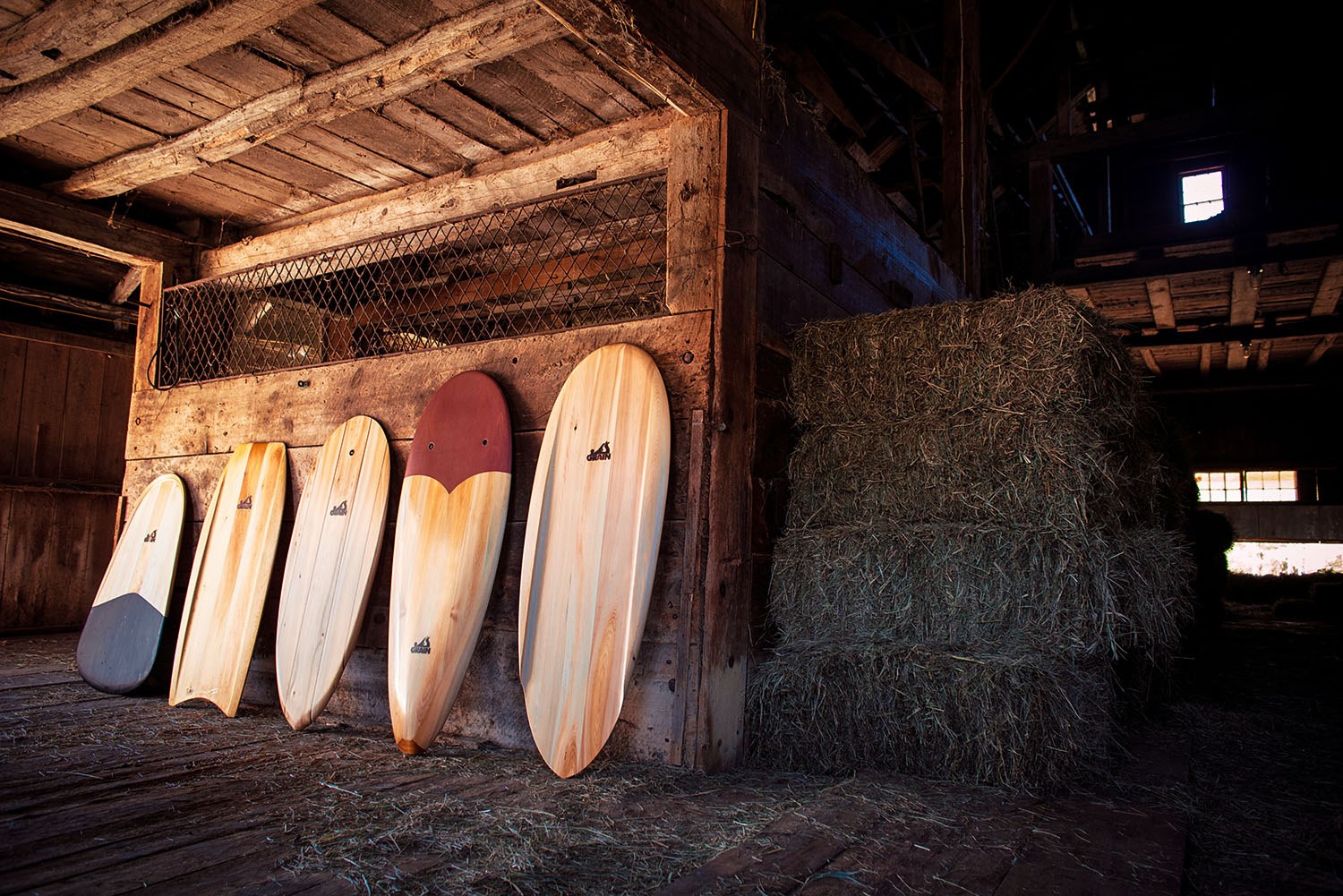
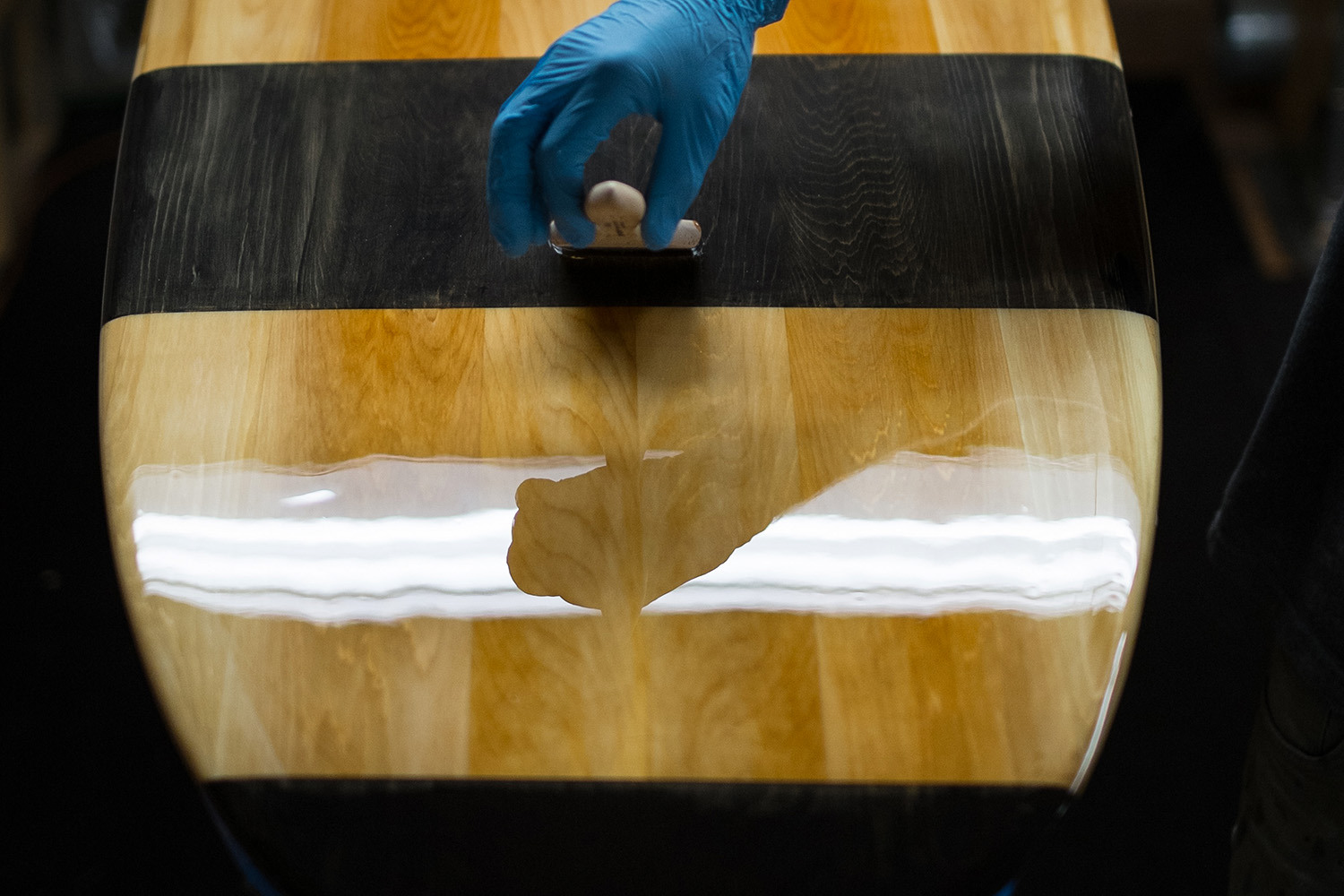
Hole-core wood boards weren’t a brand new idea, having been experimentally constructed and used within the Thirties and ‘40s as a transition away from strong (and heavy) wood boards, which individuals had been browsing for hundreds of years. However LaVecchia and Anderson wished to enhance upon the basic board shapes by making use of trendy methods to construct a stronger, lighter wood surfboard that appeared pretty much as good because it carried out. Very similar to the wing of a airplane, the boards are monocoque in design. A system of wood frames inside is roofed with cedar planks and railstrips forming a robust outer pores and skin, which is then sanded, formed, and fiberglassed for water resistance. The completed board is harking back to finely-crafted furnishings; it includes a excessive polish, and each grain of the rough-sawn cedar is seen, just like the veins of a workhorse. Its visible weight is equally intimidating, however holding it reveals the alternative to be true: whereas something however delicate, it’s mild, ethereal, and nimble.
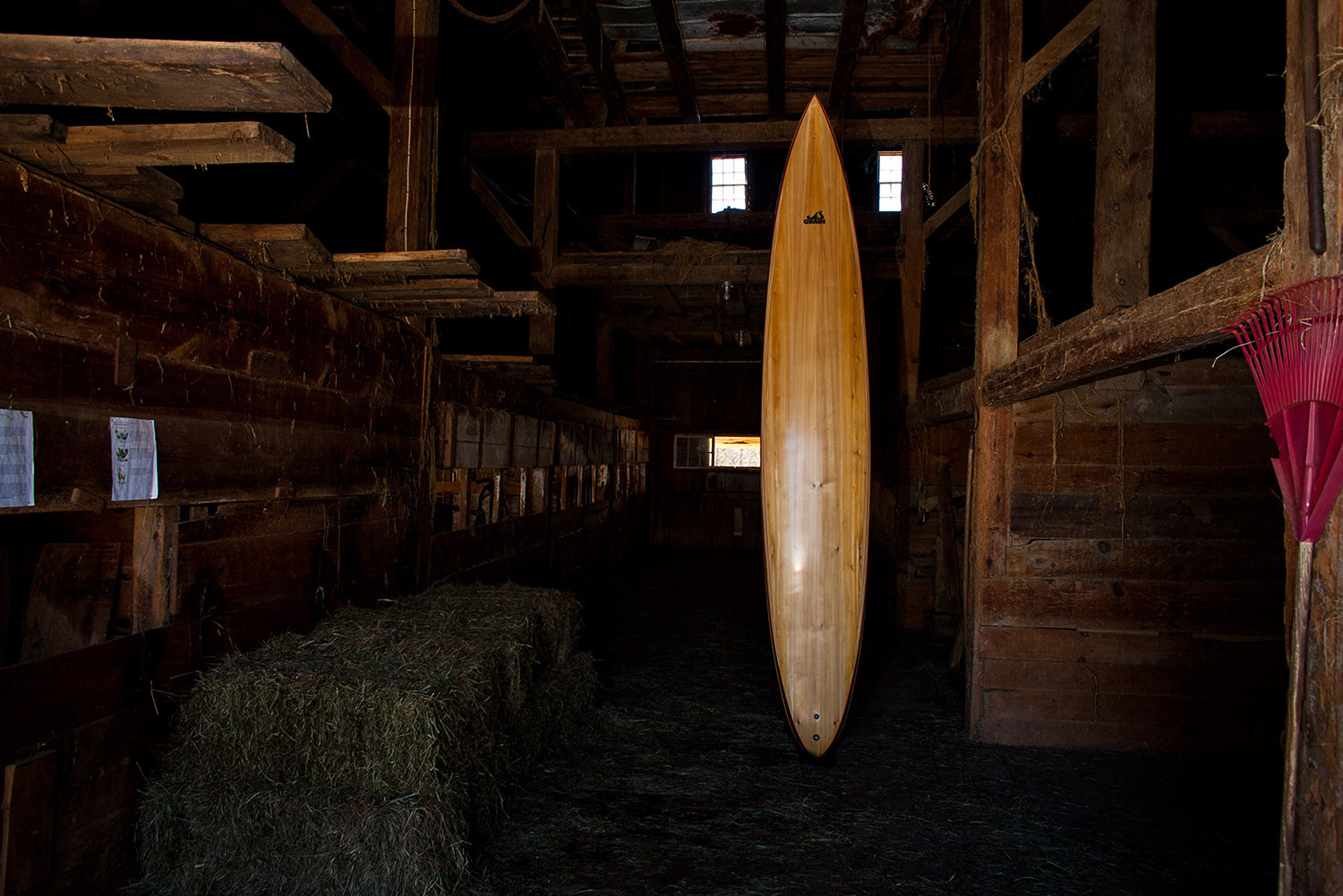
Regardless of the outdated New England adage, “you may’t get there from right here,” Grain has arrived, and carried out so with an unassuming quiet attraction that embodies the ethos of this area. There isn’t a showboating, no brash neon flashing colours boasting their presence. Only a easy humility blended with a fervent drive to make one thing significant. Having outgrown the easy basement operation it as soon as was, Grain is now situated on a small farm in York, overlooking the rolling hills of the Maine countryside and with a rising workers.
LaVecchia and Anderson are adamant about conserving sustainability core to their enterprise. The surfboards are constituted of rough-sawn northern white cedar, grown in northern Maine, and any refuse from the method throughout which the boards are made is put to good use, such because the shavings from the shaping course of being given to the farm proprietor for animal bedding. What you discover right here is the antithesis of the fast-paced, “hustle or be trampled” aggressive market. The choice to determine themselves on a farm in rural Maine was a deliberate one, freed from distraction, and allowed the artisans to give attention to honing their craft.
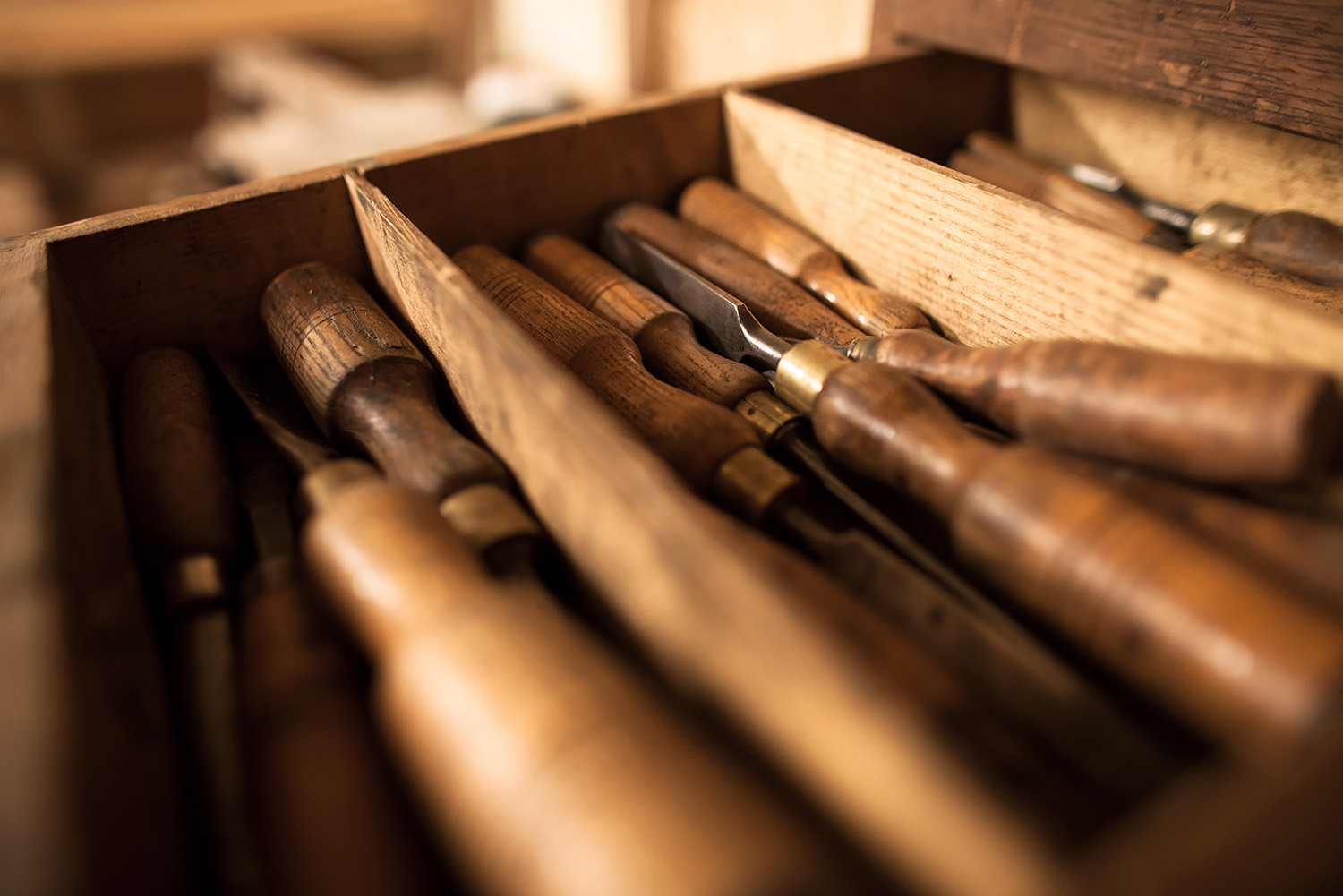
Data that’s coveted will finally grow to be misplaced, and nobody understands this higher than Grain. They provide lessons all year long, sharing the methods and strategies for creating their customized boards, and permitting individuals to depart with a whole Grain creation. Giving college students the chance to carve each line on their very own board – to know the intricacies of the wooden and expertise the labor-intensive course of by way of which it was made – connects them to the article in a method that may not be achieved by way of the acquisition of a mass-produced foam board. Grain hosts college students from across the globe who spend as much as per week in Maine for these lessons, however Grain understands that schooling can’t solely occur in York.
At one level, LaVecchia and Anderson hit the street on bikes, utilizing Brad’s 1971 BMW R90, with a sidecar modified to hold boards and supplies, to do a cellular demo tour alongside the East Coast. Finally, they invested in an outdated bread truck (one utilized by its earlier proprietor to move bikes). After a protracted interval of restoration, the truck grew to become a brief cellular classroom. Not too long ago, by way of the assist of the Kickstarter neighborhood, Grain raised the funds wanted to construct a real cellular classroom by which they will sleep, educate, and journey safely to develop the attain of their schooling so far as the West Coast.
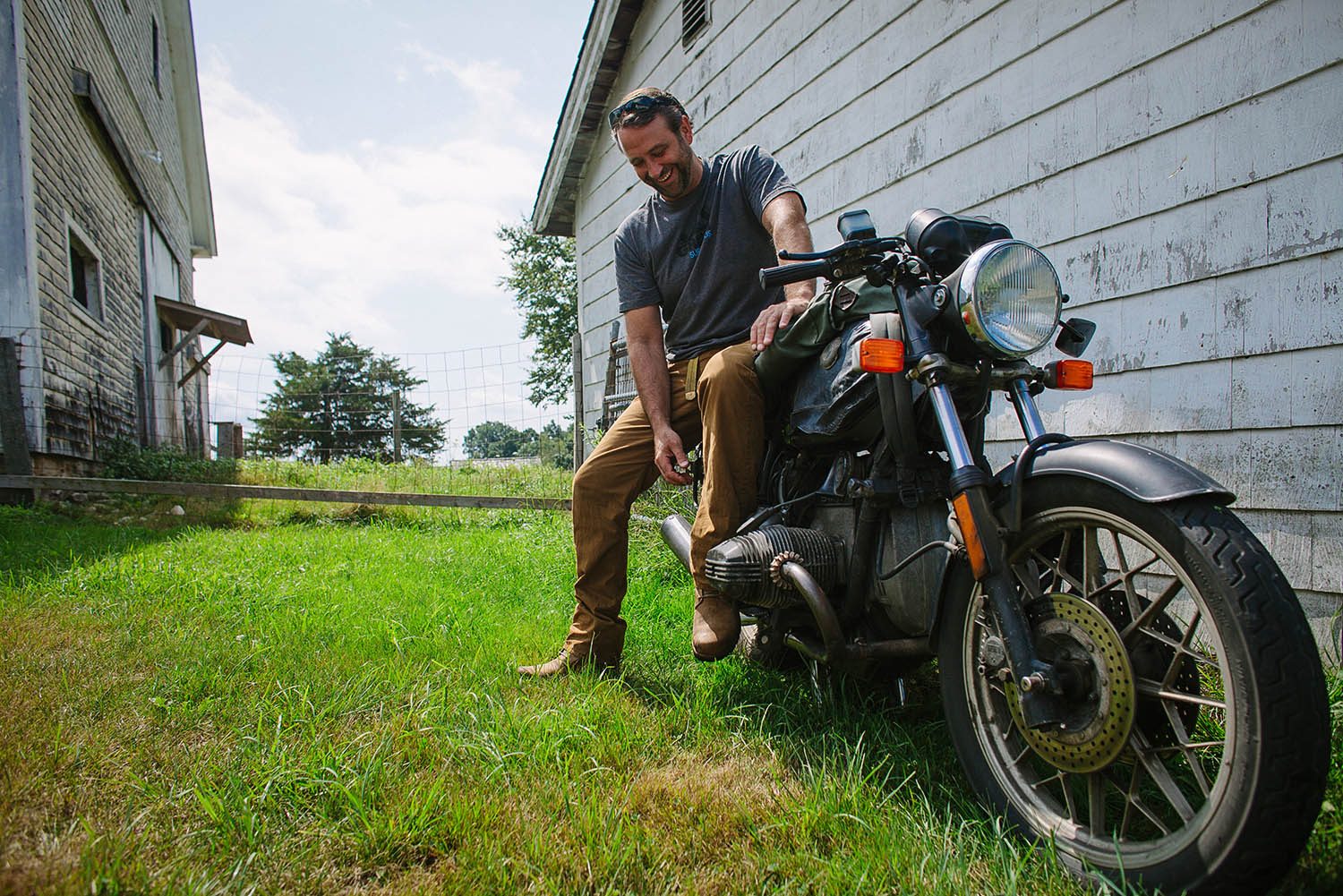
Happiness is available in all kinds, and Grain understands the inherent want in all of us to create one thing extra significant. All of us try for this in our day by day lives, by way of the turning of a wrench on our two-wheeled escape autos, and with each move of the hand airplane on a freshly shaped seafaring vessel. Every venture is taken on with a want for a similar finish: freedom. Whether or not by street or by sea, freedom is in our souls and in our veins, and burning to be set free.
Anybody should buy a motorbike and trip it, or hop on a pre-made board and slide alongside a wall of water. Nevertheless, Grain is delivering that transcendental expertise all of us search by bridging the hole between rider and board, creator and creation, satisfying our want for necessity, usefulness and sweetness for the escape all of us hope to make.

Trending Merchandise