Constructing a customized Honda CX-500 on a price range takes cautious planning and hands-on creativity. The method to date has included reshaping the body, crafting a seat base, creating aspect covers, and growing a singular headlight bracket. Every step makes use of inexpensive supplies and easy instruments to maintain prices low whereas making certain that each modification matches the bike’s look and construction.
For the subsequent stage, consideration turns to creating and mounting customized gauge holders and a rear mud guard. The strategy sticks with do-it-yourself options by shaping metal for the brand new fender, determining robust mounting factors, and utilizing intelligent methods like wedges and riv nuts for safe set up. Particulars like a tail tidy and customized flip sign mounts end off the again finish, displaying how traditional components will be modified or changed to suit new wants with out spending an excessive amount of.
Key Takeaways
- The construct focuses on budget-friendly, hands-on modifications.
- Customized options are used for the gauges, fender, and mounting.
- DIY strategies assist maintain the undertaking inexpensive and sensible.
Price-Efficient CX-500 Construct Abstract
Modifying the Body and Including a Seat Loop
The body was trimmed again and a brand new rear loop was added. The loop included a slot for an built-in tail light. These steps made area for custom upgrades whereas protecting prices down.
Making a Customized Seat Platform and Tail Mild
A seat base was formed from heated thermoplastic, fitted carefully to the subframe, and mounted with seat clips. Foam was trimmed and formed for consolation. The tail mild was constructed into the again body loop for a blended look.
Fabricating Distinctive Facet Panels
Facet panels have been produced from scratch and thoroughly formed to match the CX-500’s type. The method took time however allowed for an ideal match. Creating them in-house made the construct extra inexpensive and private.
Designing a Headlight Mount
A customized bracket was made for the headlight utilizing primary instruments and provides. This strategy allowed them to economize and modify the match as wanted. The mount holds the headlight firmly and matches with the remainder of the modifications.
Making Your Personal Gauge Cups
Creating Aluminium Gauge Holders
To make customized gauge holders, begin by reducing and shaping aluminium tubes and discs. These components must be welded collectively to kind a cup. After welding, they need to be machined to smooth out tough areas and create a clear curve.
Tip: The nearer you machine to the weld, the thinner the metallic will get. Keep away from making it too skinny on the base.
Reducing, Shaping, and Ending
The cups are refined utilizing a lathe to get the specified curve. Typically, if the weld will get too skinny, the cup could come aside and must be re-welded. A number of rounds of welding and machining could also be wanted for the most effective outcomes.
Tables, grinders, and sanders assist clean out sharp edges. Lathes are used to get an excellent end all the best way round.
Ring Edges and Methods to Connect
A bezel will be made to suit across the high of the cup. This hides tough welds and provides a cleaner look. Mounting decisions matter too. Tabs or easy brackets will be welded or bolted for simple attachment to the bike.
If you’re drilling holes to mount the cups, use rubber grommets to guard wires and keep away from injury.
Different Gauge Concepts
As an alternative of fabricating from metallic, 3D printing is an choice for making these cups. This methodology can save effort and time. You can additionally modify present plastic components to suit your gauges, becoming them by reducing them to measurement and heating to form.
Each metallic and plastic gauge holders will be connected with riv nuts if you don’t want to weld. Riv nuts offer you a threaded insert for simple screwing and unscrewing.
| Technique | Instruments | Abilities Wanted |
|---|---|---|
| Aluminium Fabrication | Welder, Lathe | Metalwork |
| 3D Printing | 3D Printer, File | Primary CAD |
| Modified Plastic | Noticed, Warmth gun | Mild Reducing |
Select the tactic that matches your instruments and abilities for the most effective outcome.
Constructing a Customized Rear Mudguard

Choosing and Shaping Metal for the Fender
The builder begins with a sheet of cold-rolled mild steel, 1.2 mm thick. This thickness is robust sufficient for fender use however nonetheless bends with frequent instruments. The metal is lower and formed by hand to match the look wanted for the bike.
Key Supplies:
- Chilly-rolled delicate metal
- Unique plastic guard (used as a information and internal liner)
The piece is shaped with a nylon hammer to get an preliminary curve, then checked for match on the body.
Making Curves and Smoothing Out the Form
To shrink and curve the metal, a power hammer is used. This makes sections of the fender tuck in the place wanted. After shrinking, a planishing hammer smooths any tough areas and helps even out the curves.
Instruments for the Job:
| Instrument | What It Does |
|---|---|
| Energy Hammer | Shrinks and curves metal |
| Planishing Hammer | Flattens and smooths |
| English Wheel | Refines the curves |
The method is repeated till the fender matches the specified form.
Utilizing a Curler to Add Power
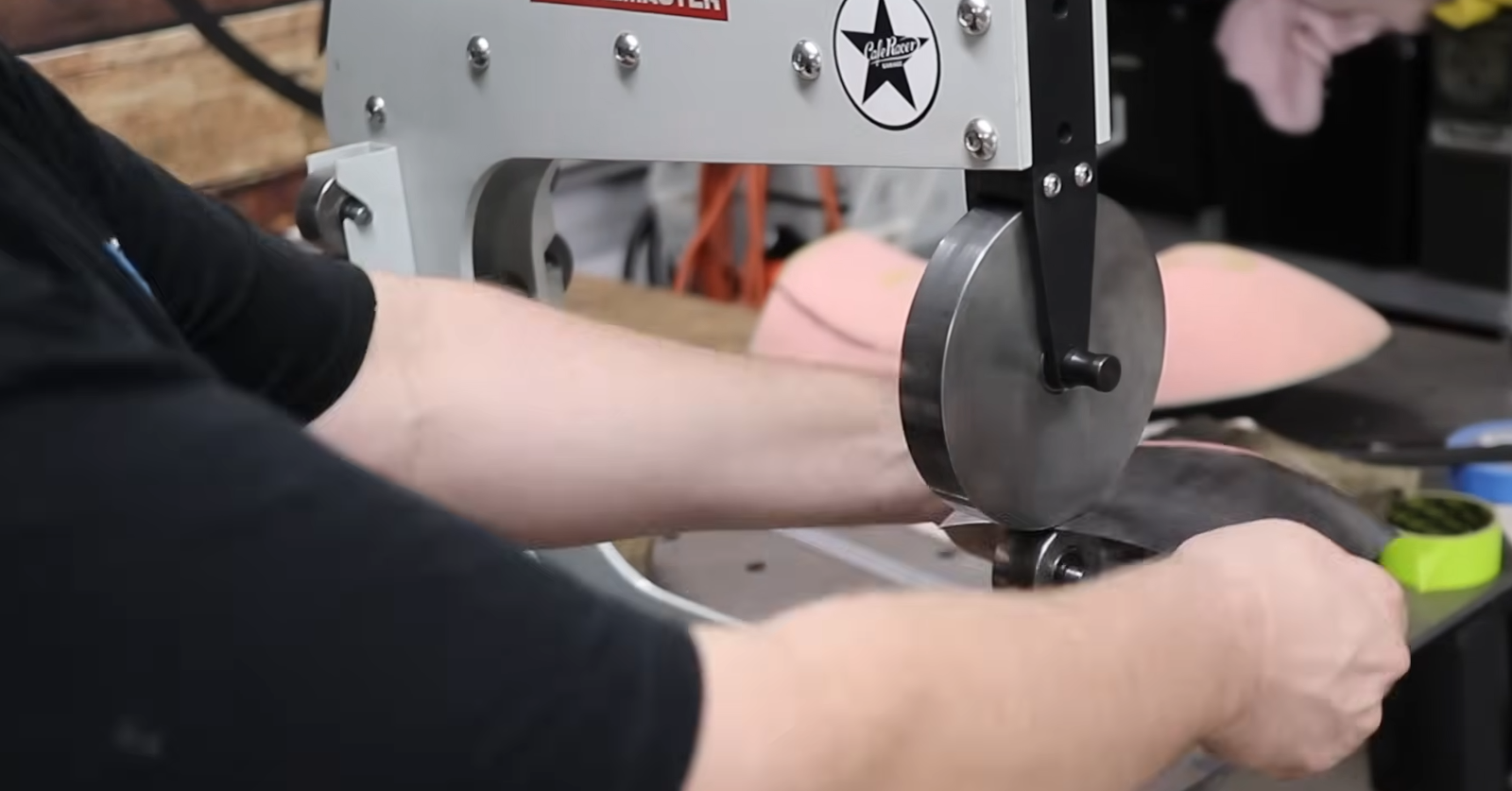
With the essential form completed, a bead roller is used to press traces into the metal. This makes the fender a lot stronger and stops it from flexing. A number of passes with the curler, and swapping out dies every time, provides each depth and power.
Why Bead Rolling Issues:
- Provides stiffness to skinny metallic
- Helps maintain the fender from vibrating or bending
- Mimics traditional fender types
Creating the Folded Edge and Middle Seam
The ultimate element entails tipping the perimeters and folding them over, copying the type of the unique Honda fender. This creates a good seam across the outdoors, boosting power and giving a clear look.
Steps in Tipping and Seam Making:
- Use the bead curler to tip the periphery.
- Shrink corners with a foot-operated shrinker for tight bends.
- Fold the sting again onto itself for a double thickness.
Fenders are then test-fitted, with new mounting tabs tacked to the body for stability. Rubber grommets are prompt the place wires cross by way of, and spacers will be added for a customized contact. Riv nuts or welded nuts can be utilized to mount flip alerts securely.
Methods to Connect the Rear Mud Guard
Creating Brackets and Mount Areas
To mount the rear mud guard, sturdy brackets will be made and connected to the bike’s body. Metallic tabs will be tacked or welded the place assist is required. These tabs ought to line up with the mud guard, permitting bolts to safe it in place. It’s useful to make use of two or extra mounting spots on the again for extra stability. Present mounting holes on the bike can typically be reused for this goal.
If there isn’t any welding gear, riv nuts supply a helpful means so as to add threaded mounts. Drill holes the place wanted, insert the riv nuts, and use a rivet instrument to press them in. This offers a robust spot to screw in bolts, which can be helpful for issues like attaching flip alerts.
Utilizing Modeling Clay for Measuring Gaps
A tender modeling materials, like children’ plasterine, makes it easy to measure uneven gaps between the mud guard and the body. Press the clay into the hole to create a customized wedge. This wedge will fill the area and assist align the guard throughout mounting. The clay holds its form and is straightforward to take away, making it a lot sooner to get an accurate match in comparison with guessing or utilizing cardboard.
Under is a straightforward desk describing the method:
| Step | Instrument/Materials | Function |
|---|---|---|
| Fill the hole | Plasterine/clay | Get precise wedge form |
| Take away and hint | Plasterine/clay | Use form for metallic insert |
| Make wedge | Metallic, based mostly on clay | Fill hole with out distortion |
Making Certain the Guard Stays Sturdy and Straight
Power is added by shaping the perimeters of the metallic mud guard. Rolling or folding the perimeters again on themselves, very like the unique manufacturing unit design, makes the guard much less more likely to bend or twist. This may be performed with easy metallic instruments like a bead curler or planishing hammer.
Suggestions for a robust, well-aligned mud guard:
- Use a number of passes with rolling instruments for clean, even edges.
- Shrink or stretch corners as wanted to match the curve of the bike.
- Double-check the alignment earlier than tightening bolts, utilizing spacers if wanted for a customized match.
- If drilling holes for wires, shield them with rubber grommets to stop injury.
Taking these steps will assist the mud guard look neat and maintain up properly underneath use.
Tail Tidy and Quantity Plate Bracket Setup
How the Arc Droid Shapes the Quantity Plate Bracket
The Arc Droid was used to chop out the principle piece for the tail tidy, or quantity plate bracket. This bracket consists of aspect tabs that may both be trimmed off or bent at a 90-degree angle for mounting flip alerts. The piece matches Australian quantity plates precisely. For these , brackets like this may be ordered on-line and are pre-cut for this goal.
A customized extension piece was additionally made so the bracket might use the pre-drilled bolt holes already current on the bike. This helps the bracket match securely and makes use of present mounting factors.
Key steps:
- Reduce bracket utilizing the Arc Droid
- Tabs enable for additional mounting choices
- Matches the scale of the proper quantity plate
- Added extension for present bolt holes
Customizing Tabs for Rear Flip Alerts
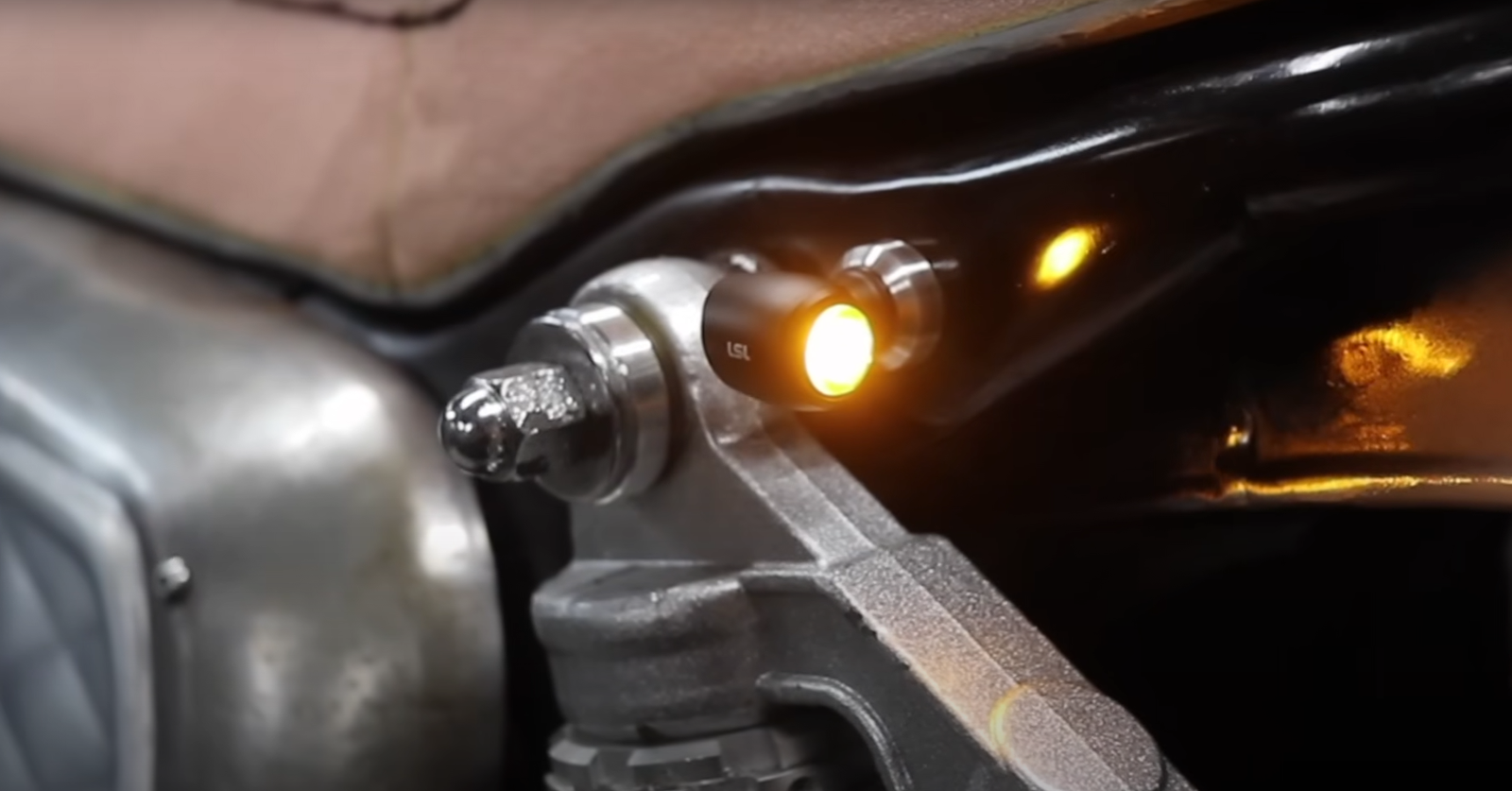
The tabs included on the bracket will be modified based mostly on what is required for mounting the rear flip alerts. One methodology is to drill holes within the tabs and weld them to the aspect of the bracket. Another choice is to weld a stainless-steel nut flush with the skin fringe of the tab, permitting the flip alerts to screw in straight.
For these with out welding instruments, riv nuts are a very good various. Riv nuts will be put in after drilling the holes and supply a robust thread for attaching flip alerts. It’s necessary to make use of rubber grommets when operating wires by way of metal to cease the wires from being broken.
Suggestions for flip sign mounting:
- Drill holes in tabs as wanted
- Weld nuts for screw-in mounting, or use riv nuts if welding isn’t attainable
- Use rubber grommets for wiring safety
- Aluminum spacers can be utilized for a customized look
Making the Bracket Match Pre-Drilled Holes
The quantity plate bracket was designed so it might use the holes that have been already drilled within the bike’s body. This meant making an extension piece for the tail tidy. With this setup, no additional holes wanted to be drilled and the match was safer.
Most inventory rear fenders have holes that can be utilized for mounting a tail tidy, so a customized bracket or an extension could also be wanted relying on every bike. This helps the setup work with totally different fender designs and makes set up less complicated and extra secure.
| Step | Function |
|---|---|
| Use pre-drilled holes | Retains set up easy |
| Add bracket extension | Matches present body correctly |
| Match holes for stability | Safe bracket and plate |
Utilizing these steps, the bracket and tail tidy lined up properly with the bike and gave a neat end with out the necessity for additional drilling.
Altering the Inventory Rear Mudguard
Reducing and Adjusting the Fender
First, the unique rear mudguard must be trimmed to suit the brand new look of the bike. They mark the place it ought to be lower, then rigorously take away the additional plastic or metallic. This helps maintain the fender the proper measurement and form for the brand new construct. They use a wedge as a guide to get an ideal match with the body.
Key Factors:
- Mark the brand new fender size with tape or a pencil.
- Use a noticed or reducing instrument for a clear edge.
- Double-check the match earlier than making any last cuts.
Making and Attaching Mounting Brackets
Customized brackets are wanted to place the fender again on the bike. They make a easy bracket from metallic and weld it to the fender. For additional mounting factors, drilled holes within the body or fender can be utilized.
A welding tip: maintain a chunk of copper behind any holes so the weld received’t stick; this lets the realm be stuffed neatly.
Bracket Steps:
- Reduce bracket materials to measurement.
- Tack weld the bracket to the fender.
- Drill holes for mounting bolts.
- Connect tabs for flip alerts by welding nuts flush or utilizing riv nuts if welding isn’t accessible.
| Technique | Instruments Wanted | Notice |
|---|---|---|
| Welding nuts | Welder, stainless nuts | Sturdy, everlasting mount |
| Riv nuts | Rivet gun, riv nut equipment | Good for these with out welder |
Use rubber grommets when drilling for wires to cease them from rubbing.
Becoming the Plastic Interior Defend
If the inventory plastic lining from the outdated fender remains to be round, it may be heated and bent to match the brand new fender’s form. Simply slowly heat the liner and press it into place. This helps maintain mud and grime off the again of the seat and body.
Advantages:
- Simple to reuse the unique defend.
- Much less mess thrown up by the wheel.
- No want to purchase additional components.
Inventive Approaches for Mounting Flip Alerts
Attaching Stainless Nuts as Mounting Factors
One choice makes use of stainless-steel nuts. The nuts are welded flush to the sting of the mounting tab. This offers a robust threaded spot to screw within the flip sign. It retains the look clear and durable. This methodology works properly if welding is offered.
Advantages:
- Sturdy and sturdy maintain
- Clear look
Becoming Rivet Nuts With out Welding
If welding isn’t attainable, rivet nuts supply a strong various. Drill a gap the place the flip sign will go. Place a rivet nut within the gap, and use a rivet instrument to set it. Now, flip alerts will be screwed in securely.
Steps to Set up:
- Mark and drill the correct-sized gap.
- Insert the rivet nut.
- Use the instrument to lock it in place.
- Examine thread for match.
Tip: Examine if the flip alerts use M6 or M8 threads, as rivet nut kits come in several sizes.
Secure Wiring with Rubber Grommets
Each time wires cross by way of metallic, rubber grommets maintain them protected. After drilling any holes, slip a rubber grommet into the outlet earlier than threading wires by way of. This stops the perimeters from reducing the wire and helps keep away from electrical shorts.
Why Use Rubber Grommets?
- Protects wires from sharp metallic
- Helps stop electrical issues
- Simple to put in
Customized Aluminum Spacers for Mounting
For a extra distinctive look, aluminum spacers will be made. Spacers match between the tab and the flip sign. They supply additional area and a customized type. The size and measurement will be adjusted for the precise match and look wanted.
Spacer Concepts:
- Use thicker spacers for a bolder type.
- Paint or polish for a customized end.
- Combine sizes for a layered impact.
Tip: Take a look at with totally different spacer sizes to seek out what matches your construct greatest.
Trending Merchandise